
A quiet problem: three pressures that steer every decision
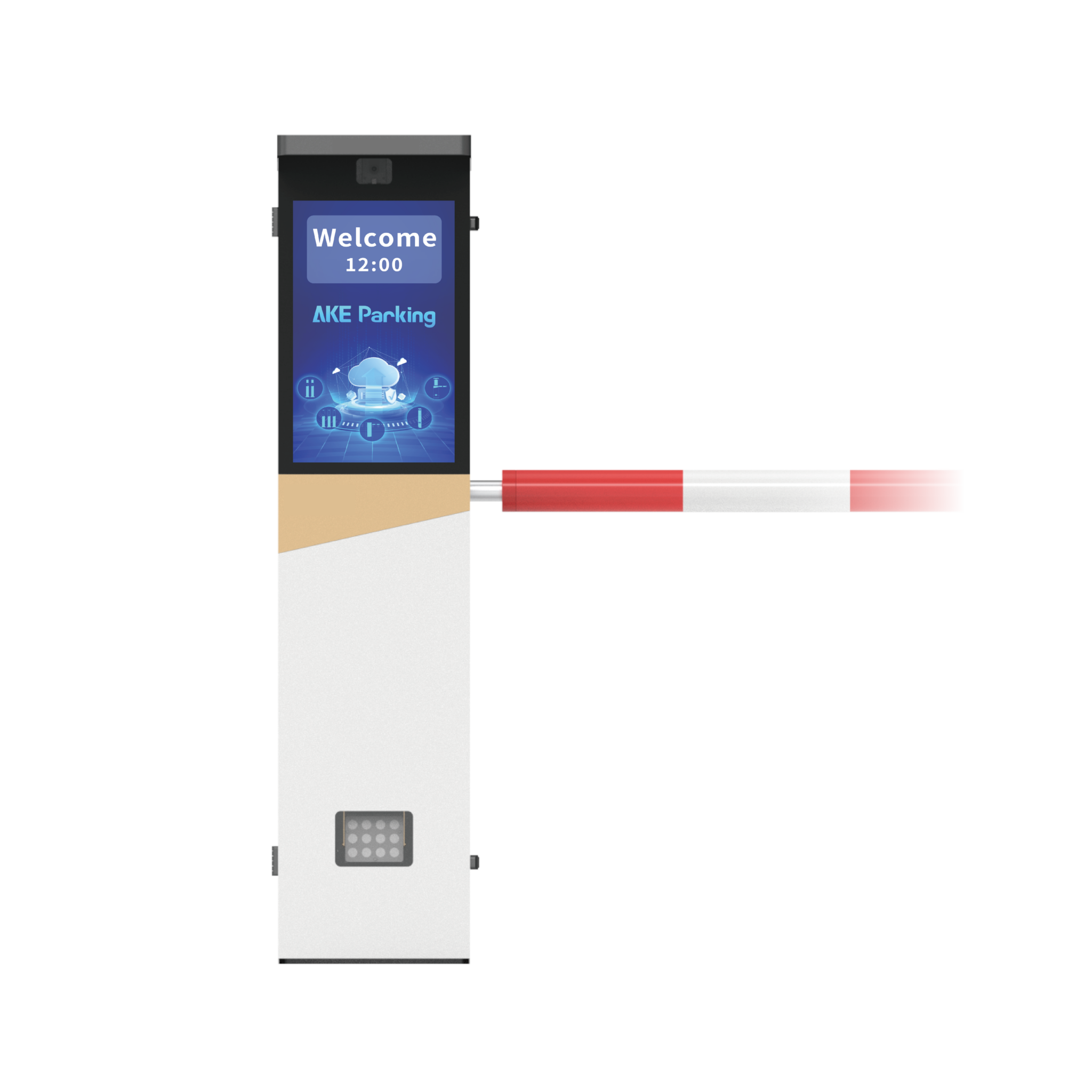
Facility managers and procurement teams often wake up to the same quiet stress—budgets are fixed, occupancies are rising, and timelines are tight. The central question becomes practical: do you prioritize upfront cost, a short lead time, or durable accuracy? When the choices feel like compromises, a well-matched anpr parking system can feel like the only sensible bridge between expectations and reality.
Where projects typically stall
Projects trip over predictable issues: underestimated installation complexity, camera placements that miss glare or license plate angles, and software that struggles with local plates or poor lighting. Teams often skip realistic field trials because they’re chasing a delivery date. That shortcut makes hidden costs—rework, extra wiring, or costly sensor swaps—show up well past the procurement sign-off.
Experience, evidence, and a real-world anchor
My perspective comes from field deployments and technical reviews; I’ve watched integrators refine calibration routines and software tuning to hit promised accuracy. Conversations at the ITS World Congress highlighted similar themes for larger municipal rollouts, tying conference discourse to measurable deployment challenges. For clients vetting vendors, it’s useful to compare live demonstrations and reference sites tied to proven lpr parking equipment rather than rely on lab specs alone.
Concrete trade-offs and how to judge them
Cost: separate hardware from lifecycle costs. A cheaper camera can force repeated replacements; a mid-range camera with proper mounting and protection often costs less over five years. Lead time: prioritize vendors who document realistic staging and commissioning windows, not optimistic ship dates. Quality: look for measured accuracy figures under the lighting and plate diversity that match your site. Ask for blind field tests rather than vendor-tuned demos.
Common pitfalls and better checks
Avoid three mistakes: accepting vendor accuracy claims without site-specific testing, skipping environmental protection for outdoor cameras, and failing to verify software integrations with your parking-control backend. Instead, insist on short pilot phases, document failure modes (rain, night, motorcycle plates), and require a service-level agreement that aligns with uptime needs.
Alternatives worth weighing
On-premise image processing reduces latency and avoids bandwidth surprises but requires stronger edge hardware and local maintenance. Cloud-based analytics ease updates and scale, yet add recurring costs and potential privacy considerations. Hybrid setups can split the difference: local capture with optional cloud-assisted recognition for edge cases. Each choice affects cost, lead time, and long-term quality in predictable ways—map those effects to your priorities rather than guessing.
A clear conclusion that respects the questions
Decisions about parking systems are less about finding a perfect product and more about aligning risks to responsibility: who will tune the system, who will replace failed cameras, and who accepts the accuracy guarantees. Trust vendors that show live, site-relevant results, spell out realistic timelines, and own post-install support. When those elements matter, a thoughtful partner like AKE Parking becomes part of the solution rather than another line item—steady, practical, and tuned to the real problems you face.
