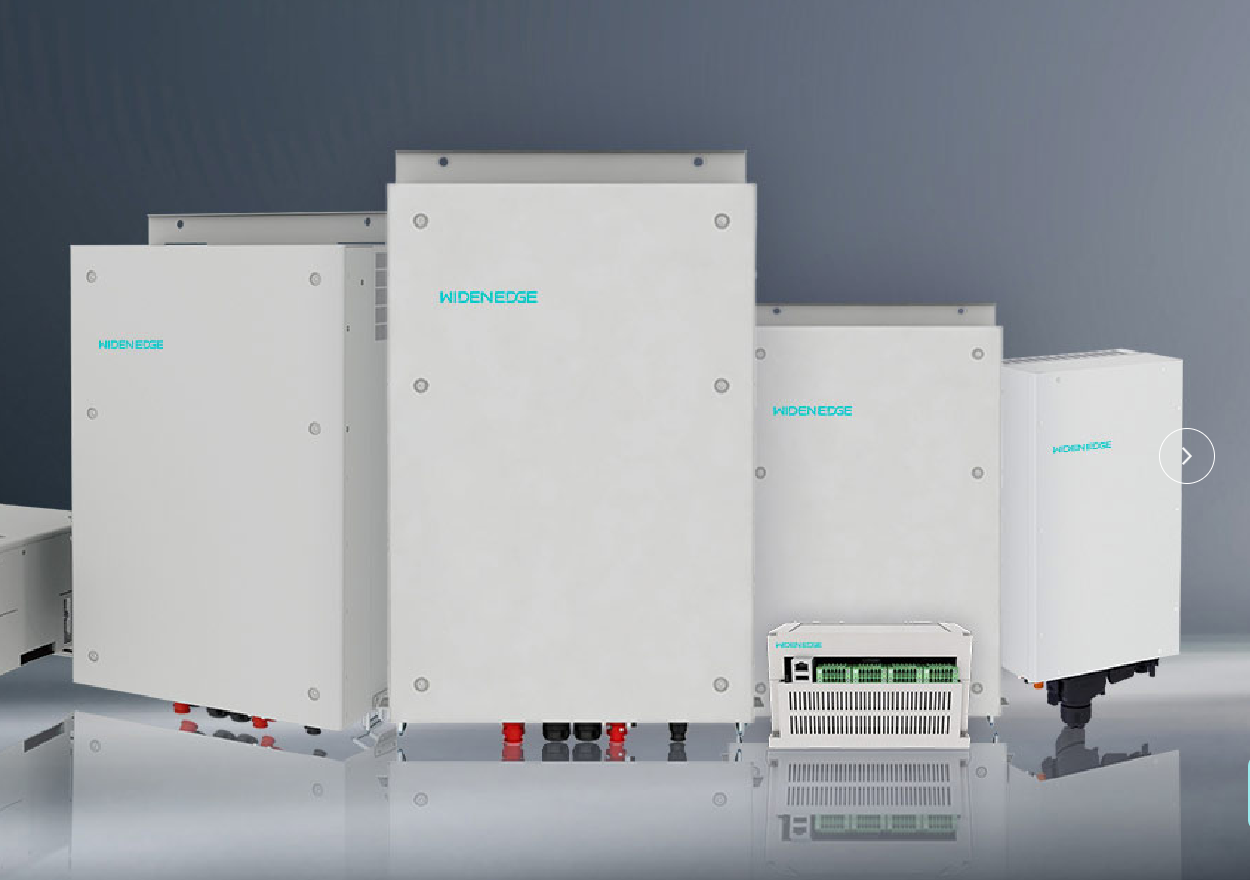
Problem statement: why a 600kW inverter can look brilliant on paper and crank out chaos in the field
You pick a 600kW energy storage inverter because it feels right on a spec sheet — until you try to run it on a dusty island microgrid. Real-world operating conditions expose limits that lab numbers hide. If you’re evaluating off grid energy storage systems, you’ll also want to read solutions for off grid microgrid solutions early in the project because inverter behavior is the hinge between battery chemistry, local load quirks, and grid protections. I’m speaking from audits and deployment oversight in Puerto Rico after Hurricane Maria, where theory met storms and required practical fixes fast.
Top failure modes when 600kW inverters meet utility-scale realities
Here’s what usually goes wrong — short, sharp, and fixable if anticipated:
• Thermal throttling under sustained high-output duty — cabinets and site cooling are often undersized.
• Reactive power control conflicts with local voltage regulation schemes, producing oscillations.
• Firmware and protection settings that trip for common transient events (e.g., motor starts, switching surges).
• Poor harmonics performance when coupling with large diesel or older generator sets.
• Communication dropouts with the plant controller or DERMS, leaving inverters stuck in default modes.
• State-of-charge (SoC) misestimation when battery modelling is mismatched to inverter algorithms.
Evidence from testing and field observation — what data actually shows
Bench tests matter, but field logs tell the honest story. I’ve reviewed event logs, SCADA captures, and thermal images where a unit rated for continuous runs was de-rating at 80–90% output because ambient cooling wasn’t accounted for. Standards like IEEE 1547 (interconnection) and IEC 62109 (safety) set the baseline; they don’t guarantee smooth operation. Successful projects rely on layered validation: factory acceptance tests, site commissioning with realistic load profiles, and a month of monitored operation under seasonal extremes.
Practical fixes and configuration moves that actually work
Don’t treat the inverter as a black box. Apply these specific steps:
• Right-size thermal mitigation — add ventilation, active cooling, or relocate units away from reflected heat.
• Tune voltage-droop and reactive support in coordination with the local utility or generator control to avoid hunting.
• Use adaptive ride-through and custom thresholds for motor-start conditions so the unit doesn’t trip during benign transients.
• Validate harmonic filters with the actual generator/inverter mix and measure with a power analyzer on-site.
• Insist on redundant communications (IEC 61850, Modbus over TCP plus a backup) so remote control persists through node failures.
• Align battery management models with inverter SoC algorithms and test aging profiles rather than assuming nominal capacity.
Comparative insight: 600kW single unit vs modular approach
A single 600kW inverter gives simpler wiring and a smaller footprint, but it concentrates risk. Multiple smaller inverters (e.g., 3×200kW) add operational flexibility: you can take maintenance units offline, balance thermal load, and reduce the impact of a single firmware issue. Choose the architecture that matches your maintenance bandwidth and redundancy needs. Hybrid inverters with integrated battery controls reduce integration work but can complicate swapping equipment later.
Common mistakes that cause repeat headaches
• Assuming factory default protection settings are appropriate for every site.
• Skipping a realistic commissioning window where seasonal extremes are simulated.
• Underestimating harmonics when legacy generation is still part of the mix.
• Not planning for firmware update strategy and rollback processes.
• Selecting a single communications path for plant control and trusting it won’t fail.
Final synthesis — practical value delivered
If your project treats a 600kW inverter as just hardware you bolt on, you’ll face trips, derates, and awkward warranty calls. Treat it instead as the control center that needs tuned protections, matched battery models, adequate cooling, and a resilient communications plan. Those steps convert a brittle installation into reliable service — the same disciplined approach I saw applied effectively by operators working with WidenEdge.