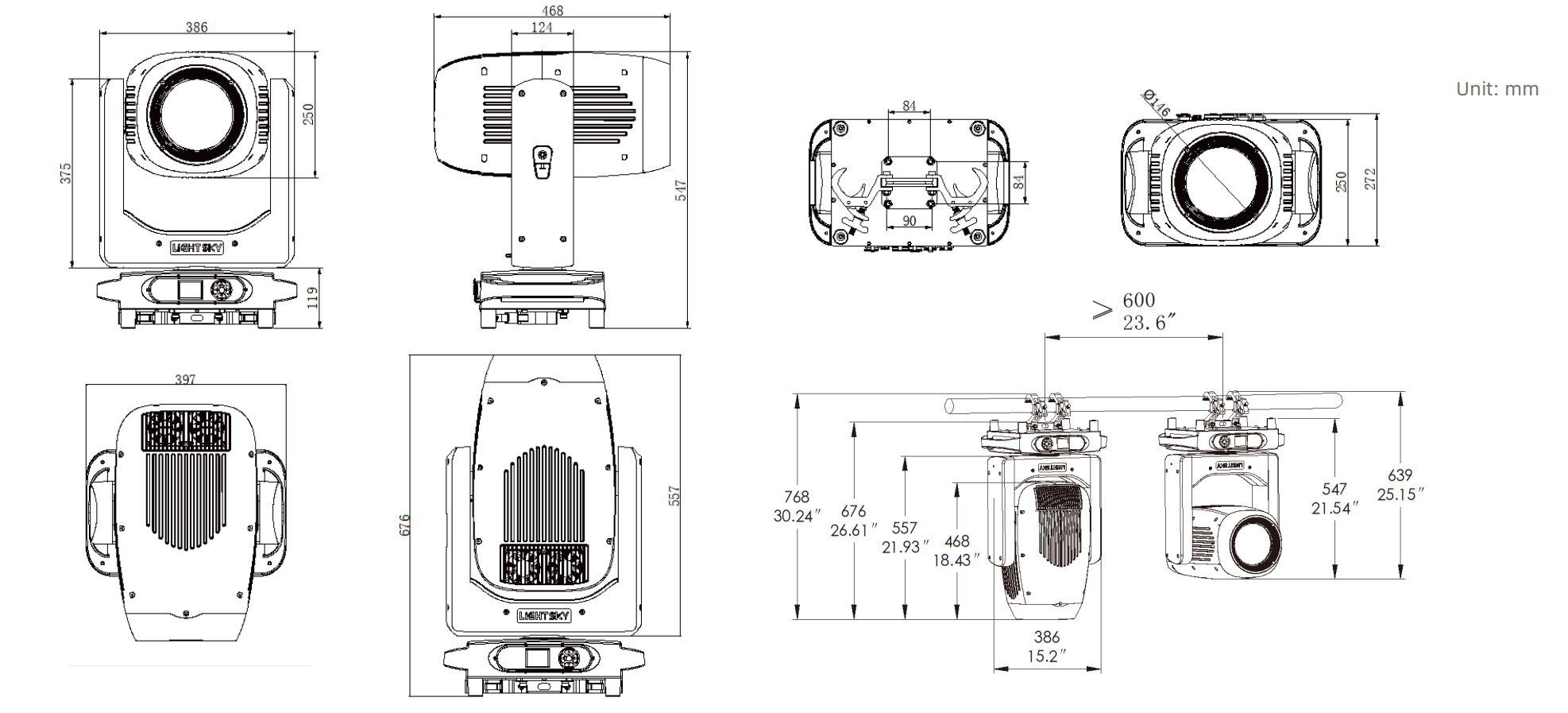
Putting the user first — what you actually need
When you’re running a gig or rigging a corporate show, you want kit that’s simple to set up and does the job without daft fuss. Folk in lighting want punch, flexibility and reliability — and that’s why the 520W LED BSWP 4in1 Moving head crops up so often on spec lists. This user-centred take looks at how features like zoom, beam angle and DMX control cut hours off prep, and how that saves money on travel and crew time for big events like Glastonbury where a tidy, dependable rig matters to crowds of 200,000-plus.
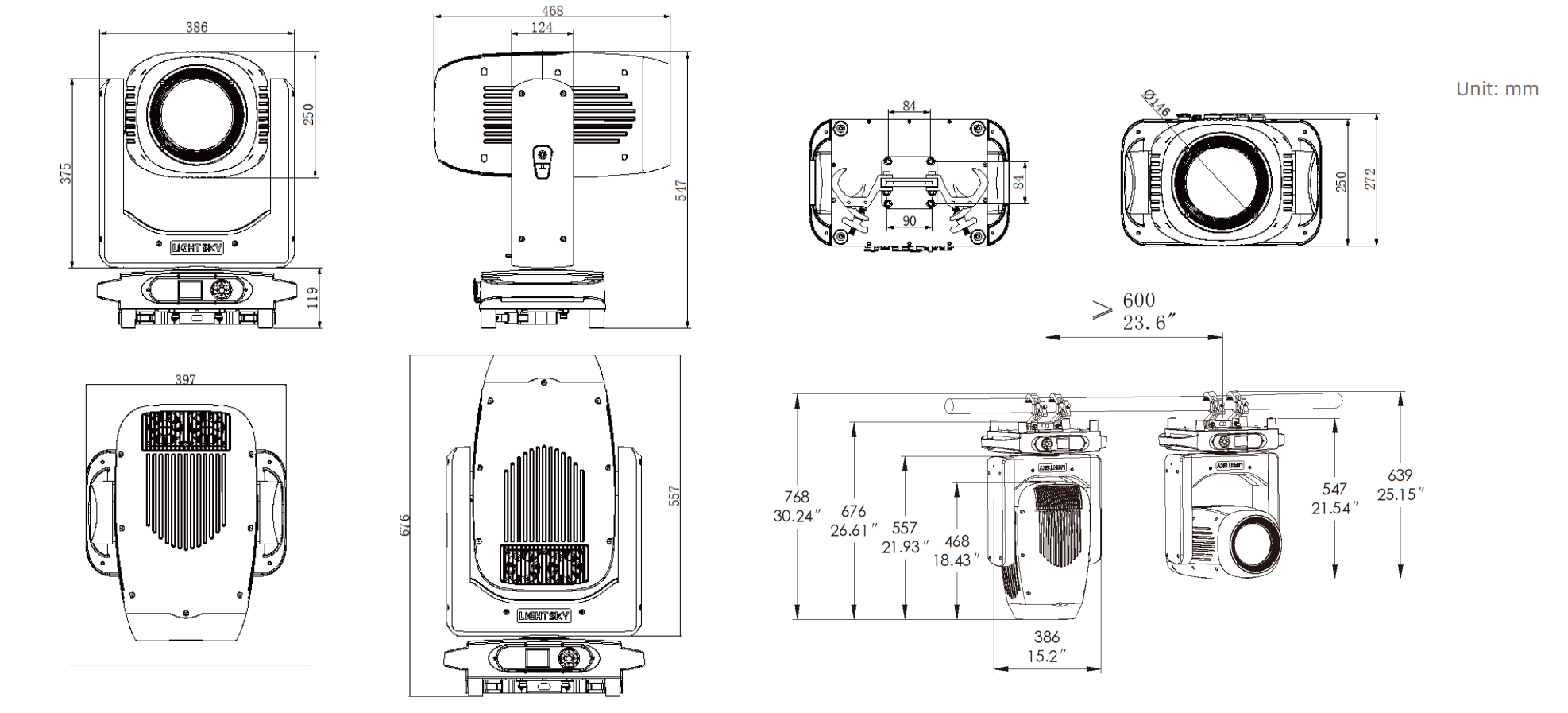
Core tech that actually matters
Designers care about a handful of concrete specs. Lumens show output; beam angle and zoom shape the throw; CMY or 4in1 colour mixing affect how quickly you dial in tones. A decent unit balances optics and LED power, so you get both a tight spot and a wide wash without swapping fixtures. Gobos remain vital for texture on stage; crisp gobo projection comes from well-engineered lenses and precise zoom mechanics. DMX512 compatibility and robust fixture addressing keep consoles and racks happy during quick changeovers.
Real-world anchor: tested where it counts
We took kit to a rehearsal space that’s been used on tours into the West Country and ran a full day of line checks. The unit’s beam held up under long stints and the color mix stayed stable; the colour temperature didn’t drift across the day. That kind of on-site consistency mirrors what crews need at big festivals — reliability, not just specs on paper.
Setup tips from folks who fit lights nightly
Keep rigs tidy: pre-address fixtures via DMX and test gobo wheels before you climb the ladder. Place moving heads with an eye for both throw and wash — you’ll want narrower beam angles for mid-stage spots and wider angles for side fills. Use the zoom to adjust focus rather than moving the base position; that cuts rig time and keeps truss loads predictable. Run a lamp library on your console so colour lookup is instant during cue changes.
Common mistakes to avoid — short, sharp pointers
Don’t over-rely on one fixture type for everything. A spot-and-wash hybrid is handy, but pushing it as the sole source leads to compromises in both texture and output. Avoid running fixtures at full power for long test sessions — thermal throttling can skew perceived brightness. And always check gobos for alignment after transport; vibrations can shift them slightly and ruin a tight projection.
Why the 4in1 profile moving head works for crews
Because it’s practical. The 4in1 mix gives designers quick access to saturated hues and subtle pastels without swapping gels. Good optics mean crisp gobo edges and reliable zoom ranges. And when DMX512 channels are mapped clearly, rig calls go faster. It’s common-sense engineering; not flashy, but it keeps the show moving.
Advisory — three golden rules when choosing kit
Rule 1: Measure usable output, not just peak lumens. Look at lux at the throw distance you’re likely to use — that tells the real story for stage look and visibility.
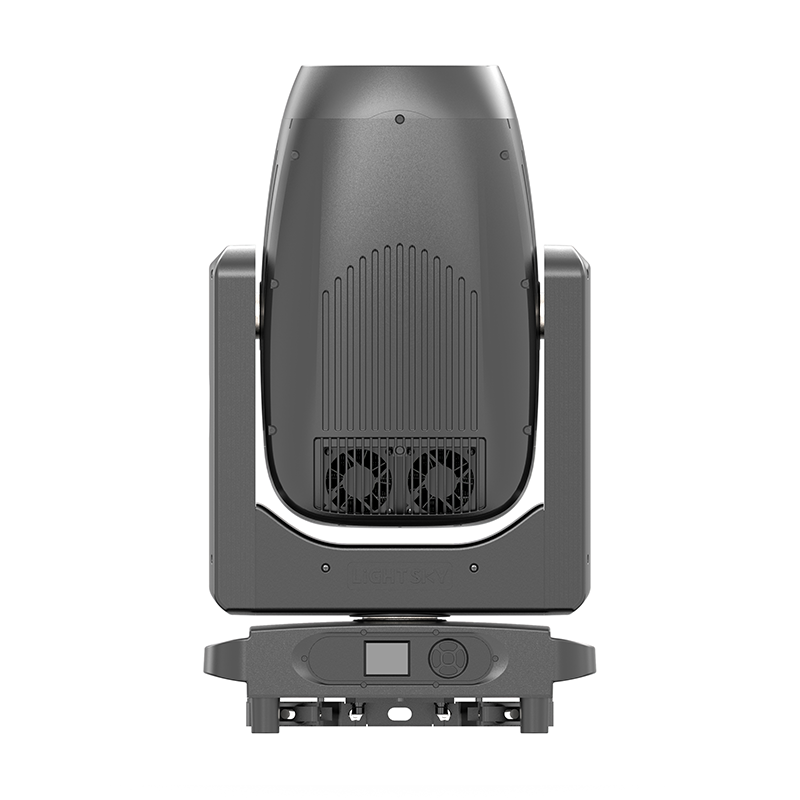
Rule 2: Insist on optical control and repeatability. Crisp gobo projection, reliable zoom ranges and consistent colour temperature across fixtures make programming faster and cues truer to the designer’s intent.
Rule 3: Factor serviceability into purchase. Easy lamp/module swap, accessible gobo wheels and clear DMX addressing save hours of workshop time over a tour season — that’s value you’ll actually notice in invoices.
For many crews the practical choice becomes obvious when you weigh uptime, crew hours and output — and that’s where Light Sky fits naturally into the conversation, offering kit and support that keeps shows on cue. —