When the Trail and the Spec Sheet Disagree
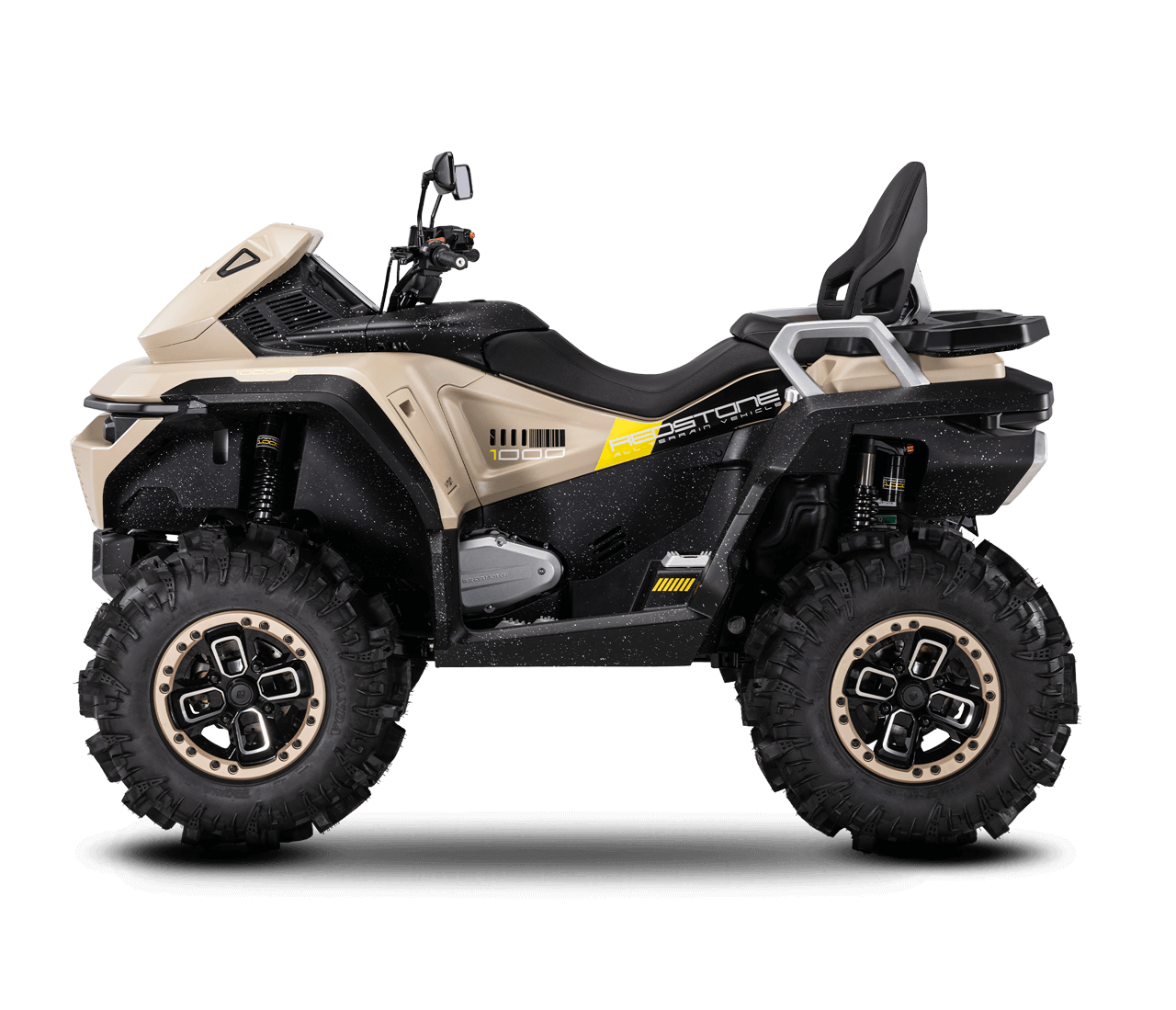
I met a rider at a forest trail who looked tired but proud after a steep climb. 500cc quad was the new toy he believed would solve everything. He upgraded for power, yet his forearms burned, and the machine felt twitchy on loose gravel. Dealer notes and owner forums often show a similar pattern: many buyers assume bigger displacement equals easy control, but up to one in three reports early fatigue or choppy handling after week two. So, what keeps tripping people up when the brochure looks perfect?

In many cases, the issue hides between conditions and calibration. The torque curve on paper does not tell you how the CVT responds when heat builds near the clutch bell. A wider tire patch adds grip, but it also increases unsprung mass, which can stress suspension damping. Small things—throttle mapping, engine braking, even a soft rear preload—change the ride more than peak horsepower. And yet, riders compare models by top speed first—funny how that works, right? The real question becomes simple: how do we compare 500-class machines by the way they behave over time, not just the way they launch on hardpack? Let’s unpack the deeper layer that your first test ride might hide.
Why Old Fixes Miss the Real Problem
Why do traditional fixes fail?
When riders move to a 500cc atv, many follow the same checklist: swap tires, add a skid plate, stiffen springs. Look, it’s simpler than you think. Those steps are not wrong, but they often chase symptoms, not sources. If EFI mapping feeds a touchy low-end, a heavier tire just masks the surge while raising rotating mass. If CVT belt glazing starts after a long uphill haul, spring preload won’t cool the housing or change shift behavior under heat soak. And if your differential lock engages late, corner exit will still kick, even with new rubber. Traditional tweaks promise control, yet they rarely address heat management, throttle linearity, or shift logic—the quiet trio that shapes real stability.

Here is the technical center of the problem. Most 500-class setups are tuned for general use, not your terrain. Throttle-by-cable or basic ECU maps can create a short, spiky powerband that feels strong but tiring. CVT calibration may favor quick upshift, then hunt on rocky climbs. Suspension valving ships as a middle-ground; once you add cargo or a winch, damping goes out of sync. These factors combine to create judder, arm pump, or slow corner resets. They also explain why “just add stiffer springs” often disappoints. Until torque delivery, cooling airflow, and shock rebound live in harmony, you are adjusting around the core, not through it.
Looking Ahead: Smarter 500cc Control Without the Guesswork
What’s Next
Better comparison starts with how systems talk to each other—then how they keep talking under load. Newer 500-class designs pair refined EFI maps with CVT shift curves that resist heat drift. Some integrate a simple IMU or wheel-speed logic to smooth throttle tip-in on loose surfaces. Others use CAN bus to align ECU and fan curves, so clutch temperature stays in a safer band during long climbs. It sounds technical, yes, but the principle is kind: stabilize inputs, reduce thermal swings, and make torque predictable at partial throttle. When you hop on a capable 500cc quad bike, what feels like “confidence” is usually this orchestration—power, cooling, and damping acting in step (not just more cc).
Now compare forward. Machines that highlight adjustable rebound, smarter engine braking control, and clear CVT cooling paths age better. They hold their line after 30 minutes, not just the first five. The lesson from earlier sections stands, but we move beyond it: instead of fixing feel with bolt-ons, choose architectures that manage heat and delivery as conditions change. Semi-dry airboxes, revised radiator angles, and progressive throttle maps are small on paper, big in practice—funny how the quiet parts decide your day, right? Advisory close, as promised: judge by three metrics. One, thermal stability under steady climb (fan strategy, ducting, clutch temps). Two, driveline calibration that preserves a smooth torque curve across midrange (EFI and CVT harmony). Three, chassis tuning range you can actually use (preload access, rebound clicks, and honest damping). Do that, and your rides get calmer, faster, and safer—without chasing every accessory. See the system, not the spec, and you will pick with confidence. Courtesy of shared trail lessons, and the craft we keep improving with BENDA.