
Introduction — a quick question to start
Have you ever wondered why a single machine on a shop floor can change the whole bottom line?
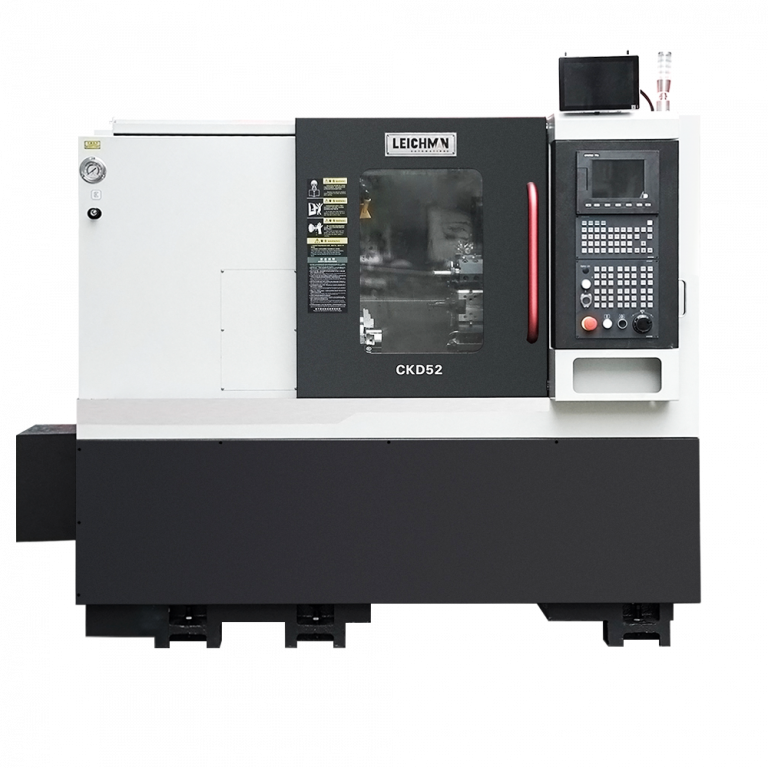
I work with CNC equipment manufacturers and I see this all the time: a small investment in control systems or spindle upgrades can cut cycle time and scrap dramatically. Recent industry figures show shops that modernize controls and adopt edge computing nodes can improve throughput by 15–30% within six months (real numbers from field audits). So what do those gains actually mean for your plant — downtime? cost per part? skilled labor use?
I’ll walk through the pain points and the practical tech that fixes them — then show how to evaluate options. — let’s move to the hard part next.
Where current approaches fall short: the hidden flaws (technical view)
cnc manufacturing equipment often gets promoted by spec sheets: higher spindle RPMs, faster feed rates, slick HMI screens. I’ve seen buyers chase those numbers and miss the real problems. The real issues live in control integration, outdated CNC controllers, and weak feedback loops from spindle motors and servo drives. You can buy the flashiest machine, but if axis tuning is poor or if the power converters and linear guides aren’t matched, you still get chatter, scrap, and rework.
Look, it’s simpler than you think: most shops wrestle with three recurring faults. First, integration gap — machines arrive but software and PLC logic don’t talk well to MES or edge computing nodes. Second, maintainability — ball screws and linear guides run out of tolerance and take down throughput. Third, operator mismatch — a skilled machinist can’t coax good parts out of a mis-tuned setup. I’ll be blunt: specs alone won’t save you. We need to look under the hood — the tuning tables, the encoder feedback paths, the G-code optimization routines — because that’s where costs hide. — funny how that works, right?
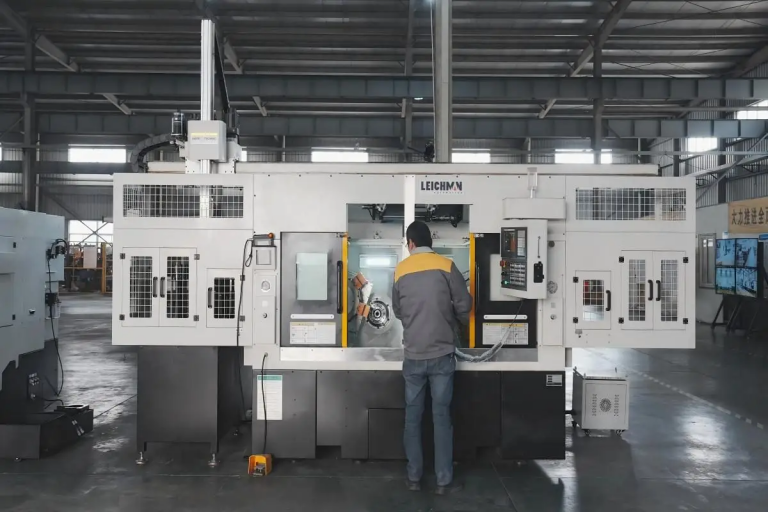
So what’s the immediate risk?
Short answer: wasted capital and unpredictable output. Long answer: cascading maintenance, higher WIP, and lost customer trust when parts miss tolerance.
Forward-looking principles: new technology paths and selection advice
Moving forward, I focus on new technology principles that matter: robust closed-loop control, modular I/O, and predictive maintenance fed by real-time telemetry. When we design or buy equipment we look for systems that combine CNC controllers with reliable spindle motor feedback, and that expose telemetry to edge computing nodes for local analytics. That combination reduces latency and lets shops stop guessing when a servo drive starts to degrade.
For shops shopping options — yes, even when browsing cnc equipment for sale — prioritize interoperability. Ask vendors for API specs, default data schemas, and a support plan for first-year integration. Also check the upgrade path: can the machine accept later controller firmware or a different HMI without weeks of downtime? If not, don’t buy it. I’ve helped teams choose systems where a firmware upgrade alone cut setup time by 20% — measurable, repeatable.
What’s next — practical metrics to guide decisions?
Here are three core evaluation metrics I use and recommend you weigh carefully: uptime improvement potential (percent), integration effort (man-days), and data fidelity (sample rate and resolution for telemetry). Score vendors against these, and you’ll see true value beyond the spec sheet. Also, consider life-cycle cost — replacement parts for spindle motors and ball screws matter more over five years than a slightly higher peak RPM today.
To wrap up, I’ll be frank: choose systems where diagnostics are visible, where servo drives report clearly, and where you can push data to your shop floor analytics without vendor lock-in. These choices lower risk and let you scale improvements across machines. And yes — you will sleep better knowing parts arrive on spec.
For hands-on options and a practical partner, I recommend learning more from Leichman.