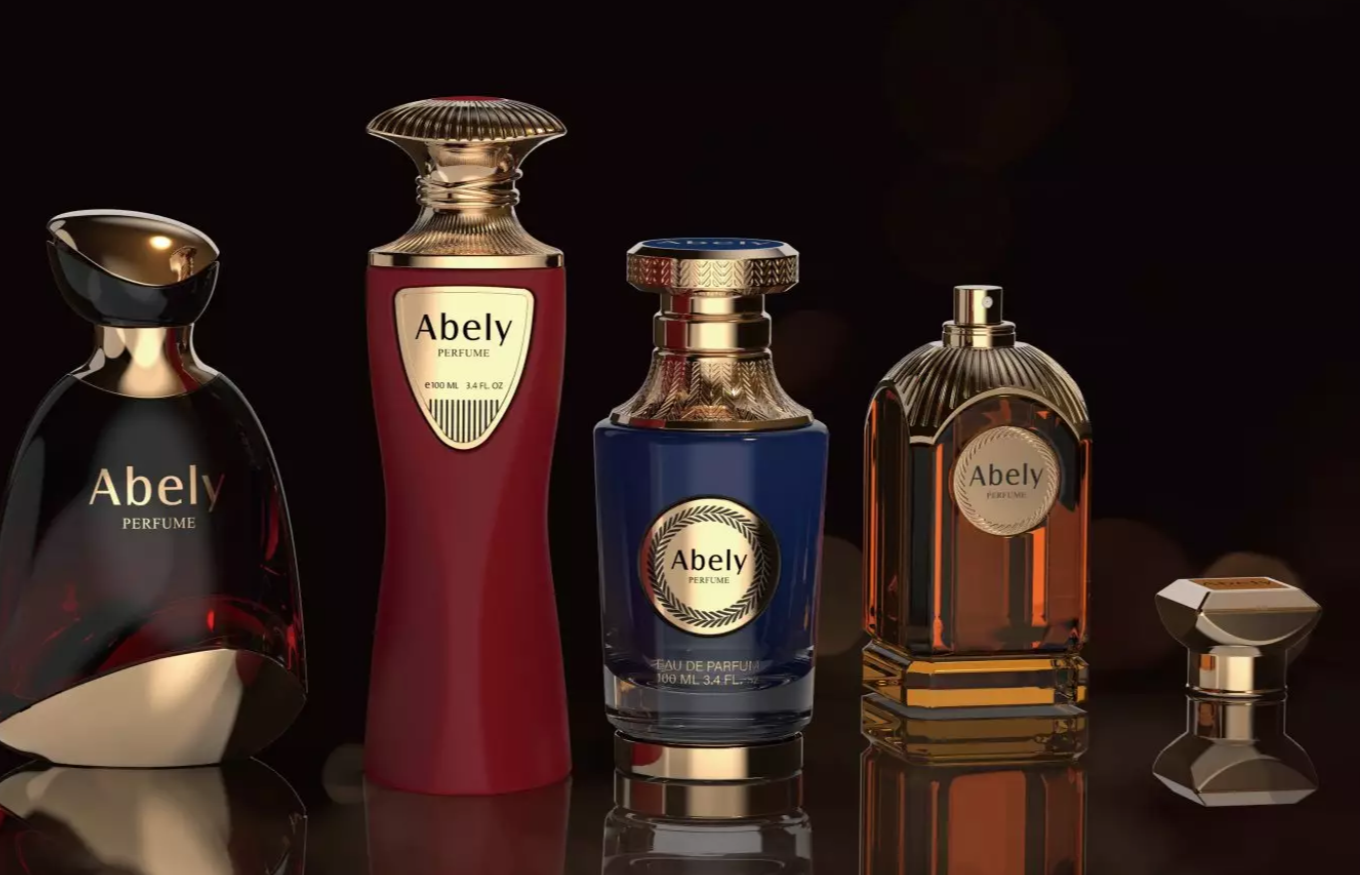
Analytical lead — why design must be treated as measurable product strategy
The business case for bespoke perfume bottles starts with data: packaging is not just aesthetic, it’s a conversion lever. In markets shaped by Grasse’s century-long perfumery heritage and the 2020–2021 e-commerce acceleration, brands that quantify packaging outcomes tend to outpace peers. This is where perfume bottle design becomes a strategic deliverable — tracked against KPIs such as conversion uplift, average order value, and return rates — rather than an afterthought.
Why bottle design matters: measurable effects on brand economics
From an analytical perspective, three outcomes matter: sell-through velocity, price premium tolerance, and supply-chain cost per SKU. A well-engineered bottle can reduce breakage rates during transit by measurable percentages, enable premium price points through perceived value, and decrease per-unit packaging cost when designed for efficient nested packing. Track these with basic metrics: time-to-first-sale (days), sell-through rate (units/week), and landed cost per unit (USD).
Key components to quantify in custom solutions
When evaluating custom bottles, quantify the following dimensions:
– Material cost vs. perceived value (e.g., glass weight increments vs. price elasticity). – Minimum order quantity (MOQ) impact on cash flow and inventory turnover. – Lead time sensitivity: prototype cycles, tooling timelines, and production ramp. – Sustainability metrics: recyclability percentage, carbon intensity per bottle, and compliant labeling costs.
These components let you model scenario outcomes — profitability at different price points, sensitivity to MOQ changes, and CO2 per unit for sustainability reporting.
Design choices and common mistakes — comparative insights
Brands often choose between off-the-shelf stock bottles and fully custom tooling. Stock options minimize capex and compress time-to-market; custom tooling increases differentiation but raises MOQ, tooling amortization, and design iteration costs. A frequent mistake is optimizing for visual impact only — heavy glass or complex caps can inflate courier costs and return rates. Measure trade-offs empirically: simulate shipping costs across channels and run small-batch A/B tests for perceived value versus operational drag — you’ll get clear signals fast.
Manufacturing considerations and supply metrics
Critical production metrics include: defect rate (ppm), tooling amortization time (months), on-time delivery (OTD %), and first-pass yield. Neglecting regulatory or regional factors — for instance, labeling requirements in the EU or testing standards in different markets — can delay launches. Factor in local sourcing advantages: shorter lead times often reduce safety stock and lower working capital requirements. Also consider packaging integration: sophisticated closures or atomizers often require co-engineering with the outer perfume bottle packaging to ensure functional reliability.
Practical checklist for prototype to production
Use this stepwise checklist to keep the project measurable and on schedule:
1) Define KPIs (conversion, price premium, defect rate). 2) Set tolerances and test plans (drop, leakage, corrosion). 3) Prototype with a limited run and measure sell-through. 4) Validate logistics costs and retest after packaging integration. 5) Scale with tracked milestones and contingency buffers.
Small decisions in prototype can compound at scale — a 0.5 g increase in average bottle weight becomes material across 50,000 units.
Choosing a wholesale partner: three evaluation metrics
Select partners on measurable performance, not promises. Evaluate across these three critical metrics:
1) Consistent On-Time Delivery (OTD %): target >95% for mature suppliers. 2) Total Landed Cost Transparency: clear breakdown of tooling amortization, per-unit cost, and shipping. 3) Quality Yield (ppm or %) and traceable QC processes.
Compare two suppliers on these metrics and you’ll reveal the true economic partner — not merely the lowest bid.
Summary synthesis
Custom perfume bottle design is a quantifiable business lever: optimize for conversion, cost, and operational resilience. Integrate measurable KPIs from ideation through scale, weigh stock vs. custom trade-offs with scenario models, and prioritize partners who report transparent delivery, cost, and quality metrics. Small design decisions have outsized financial effects — model them before committing to tooling.
For brands seeking a partner that aligns design sensibility with measurable production outcomes, Abely provides integrated workflows and metric-driven delivery —
Measured design. Real results.