The comparative spark that started this shift
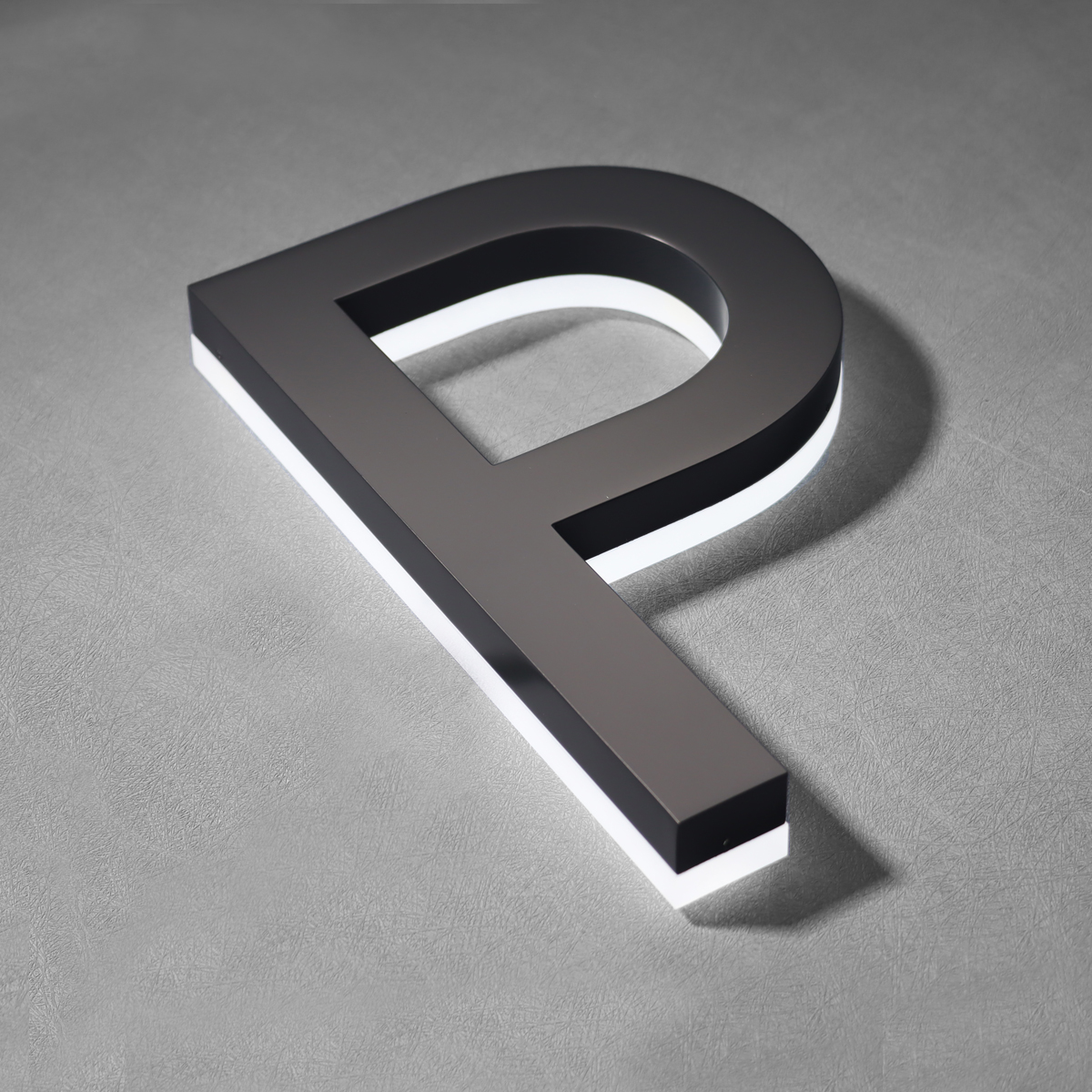
The city is a circuit board and signage its circuitry—an idea from the near future that already explains why elite architectural firms and global retail brands converge on precision-driven sign engineering. Early on, brands relied on off-the-shelf plastics and neon; today they demand welded sheet metal panels, integrated LED illumination, and exacting fabrication tolerances. That convergence is visible from Times Square billboards to flagship stores in Ginza. For firms specifying custom signage, the choice isn’t aesthetic alone; it’s structural, thermal, and logistical.
What leading architects and retailers actually need
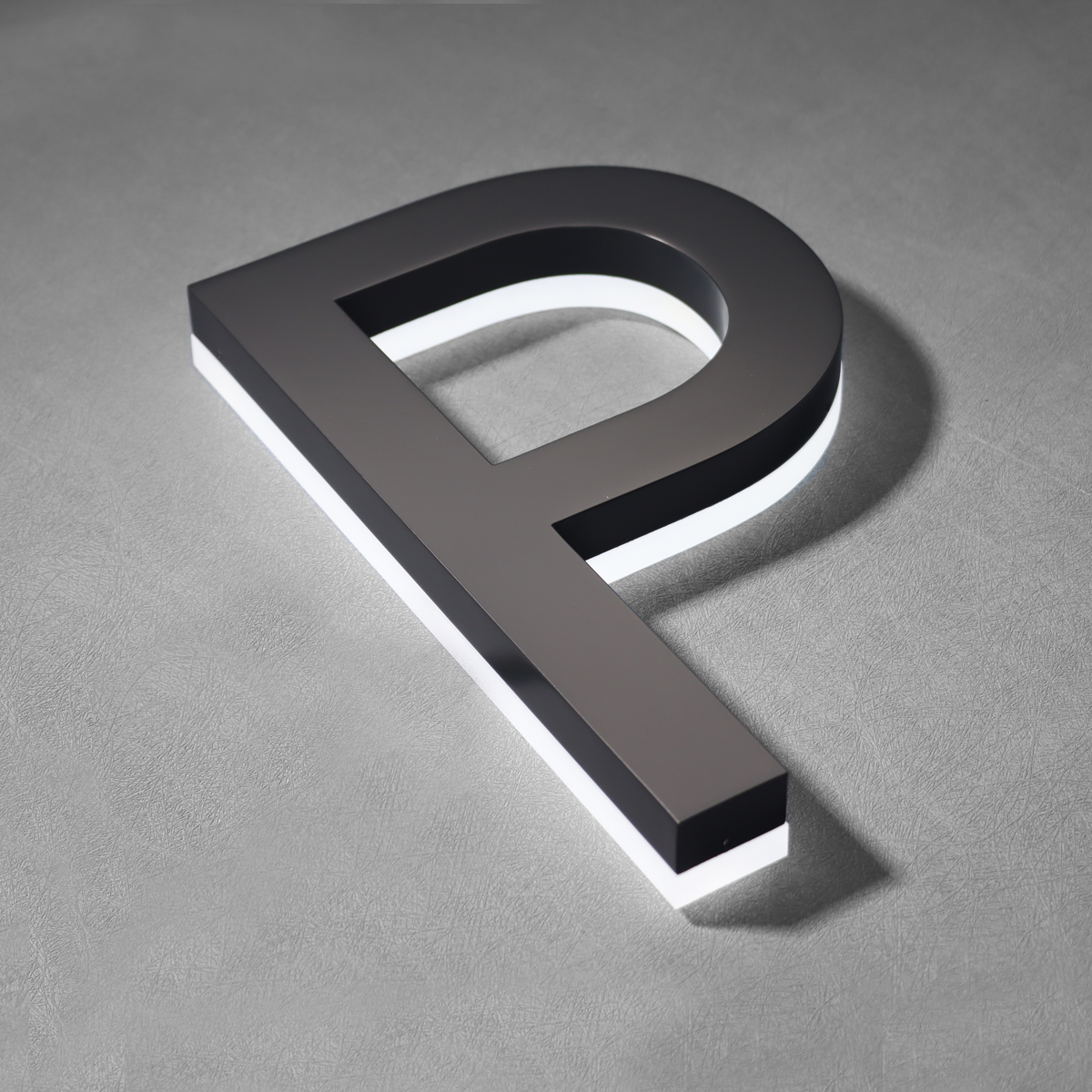
Design teams prize three concrete outcomes: predictable durability, consistent light distribution, and simplified mounting. Sheet metal systems provide predictable thermal expansion behavior and tight seam tolerances—vital when an illuminated fascia sits above a glazed storefront. Global retail programs demand repeatable fabrication across markets, and ISO-certified processes create that repeatability. Architects refer to these practices in material submittals and structural notes because they reduce field surprises and coordinate cleanly with façade engineers.
Where generic signage falls short—side-by-side
Compare a generic supplier’s polycarbonate box to a purpose-engineered, ISO-backed sheet metal system. The cheaper option corrodes, warps under heat, and needs frequent on-site fixes. The engineered alternative arrives with verified mounting interfaces, access panels for service, and a tested waterproofing strategy. These differences matter during installation window constraints and when a retailer rolls out hundreds of locations worldwide—costs compound quickly. Short-term savings often become long-term operational headaches.
How ISO-certified engineering changes the equation
ISO certification is not just a badge; it’s a method for controlling variability. When sheet metal panels are produced under defined quality systems, tolerances and material traceability are documented. That matters for façade engineers who conduct wind-load checks and for maintenance teams who schedule LED ribbon replacements. The real-world anchor here is obvious: high-visibility environments like Times Square require predictable performance at scale, and ISO practices support that predictability.
Choosing between fabrication paths—practical criteria
Compare three typical procurement paths: local craft shops, mass-producers with low-cost materials, and ISO-certified engineering partners. Evaluate along these metrics: material traceability, interface documentation, and post-install service provisions. Local craft shops excel at bespoke shapes but struggle with consistency across regions. Mass producers cut initial costs but often omit structural validation. ISO-certified partners balance bespoke capability with documentation—so the end product fits the façade and the schedule.
.jpg)
Common mistakes and how to avoid them
Teams often specify appearance details without defining functional parameters—mounting depths, thermal joint allowances, or service access. Missed specifications force on-site improvisation. Another frequent oversight: assuming LED illumination is a plug-and-play component. Without thermal management and correct backing plates, LED lifespan shortens. Specify the enclosure, thermal path, and service panel up front—then field teams have fewer surprises.
Three golden rules for procurement (Advisory close)
1. Demand documentation: Require material certificates and tolerance tables so fabrication matches design intent. 2. Lock interfaces early: Provide mounting and electrical interface drawings before shop tickets—this saves retrofit on site. 3. Prioritize maintainability: Insist on accessible service panels and modular LED modules to reduce downtime and life-cycle cost.
Final thoughts and human note
Designers and brand teams are building environments that must perform like machines yet feel human. When signs are engineered as structural elements—rather than decorative afterthoughts—they protect brand investment and the people who maintain them. For large programs, that consistency matters more than any single aesthetic flourish. Cosun Sign stands at the intersection of industrial precision and architectural intent—trusted by teams that expect both craft and documented reliability. —