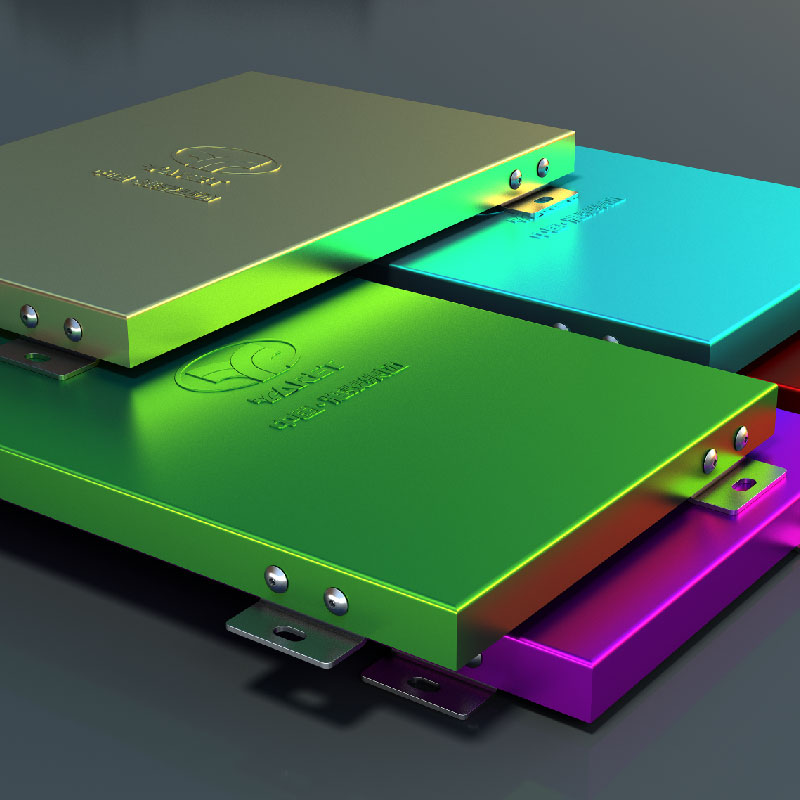
Introduction: Why Warm Looks Need Hard-Wearing Bones
Here’s the deal: beautiful façades should not bleed budgets. If you’re eyeing aluminum wood grain sheet, you’re probably balancing a tight timeline, salty air, and a picky client. A wood grain aluminum sheet keeps that timber vibe without the rot and repaint cycles. Picture this: a seaside café in Durban, wind whipping, sun hammering the soffits, and opening day looming. Lab specs talk about 1,000-hour salt-spray cycles and UV exposure windows, but site crews talk about two things—snags and callbacks. So, what if the material could cut both? (Eish, that would be lekker.)

Direct thought: many “wood look” options hide work you won’t see until month twelve. And that’s the pain. Traditional laminates peel; veneers fade; fixings creep under heat. You know the story, bru. The question is simple: how do we keep the warm look, lose the drama, and control lifecycle costs? Look, it’s simpler than you think — and we’ll map it out now, nice and clean, so your next tender lands with fewer risks and fewer surprises. Let’s get into the real comparison and why the small details matter.
Hidden Pitfalls: Why Older Solutions Struggle Under Real Loads
Start with the usual suspects. High-pressure laminates look sharp at handover, but their adhesive layers can drift under heat and moisture. That means delamination near cutouts and corners, especially when the thermal expansion coefficient of the skin and substrate don’t match. Timber veneer? Lovely in the showroom, but UV fade and micro-cracking force short repaint cycles. Once water gets in—through a nick, a fastener, or a sloppy seal—you’re tracking swelling and stain. The fix is never cheap. You yank panels, patch the subframe, tweak the rainscreen vent gap, then hope the fastener pattern still aligns. — funny how that works, right?
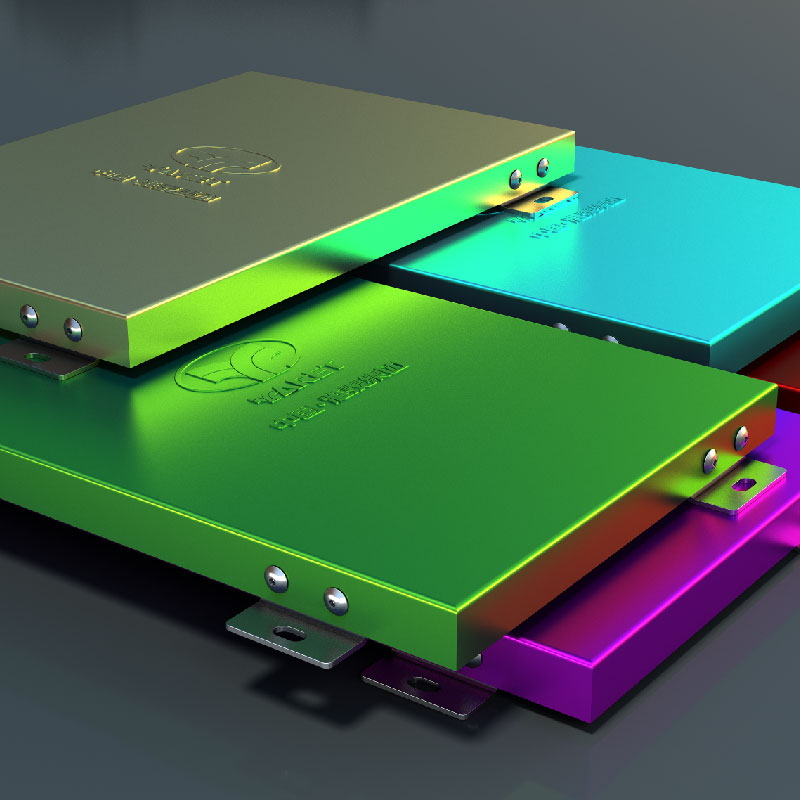
By contrast, a well-built aluminum skin with a robust PVDF coating resists chalking and salt creep. Coil-coated finishes baked on a controlled line beat post-applied films because you lock in chemistry at temperature, not on-site. Add a dense grain transfer (via sublimation) and you get texture without weak glue layers. That’s where the engineering earns its keep: better tensile strength in the panel, less creep at fixings, and clean edges after CNC routing. You also cut VOC emissions versus some adhesive-heavy systems. Bonus detail: choose hardware that avoids galvanic corrosion, and your cladding won’t fizz out near the coast. If you spec for A2-s1,d0 fire rating and pair with a pressure-equalized rainscreen, you reduce both risk and maintenance. Simple, not fancy.
Where do the failures start?
Usually at edges and openings. Heat, UV, and water find the weakest joint. That’s why hemmed edges, sealed cutouts, and correct stand-off on the subframe are not “extras”—they’re survival gear. And yes, you can test it: mock up a corner with real fixings, apply load, and measure creep under temperature. When materials match their claims, they pass that small brutal test. When they don’t, you inherit a schedule you never priced.
Comparative Next Steps: New Tech Principles That Shift the Baseline
Let’s move forward—clean and technical. Today’s top systems combine three things: surface chemistry, precise heat transfer, and panel integration. First, pre-treatment. A nano-ceramic conversion layer promotes coating adhesion without heavy chromates. Then the finish: a PVDF topcoat (AAMA 2605 grade) with IR-reflective pigments reduces heat gain on dark grains. After that, controlled sublimation or film transfer bakes the pattern into the surface at set dwell times, using calibrated embossing rollers for tactile depth. Inline machine vision checks grain alignment and detects pinholes. This is why a modern wood grain aluminum panel holds color, resists chalking, and shrugs off coastal spray. The system thinking matters: panels, fixings, gaskets, and drainage paths work as one assembly.
Integration seals the deal. Cassette folds add stiffness without mass, so spans stay true. Correct rivet grip and EPDM gaskets protect the substrate in wind-driven rain. If the subframe isolates dissimilar metals, galvanic risk drops. Add a ventilated cavity and you mitigate condensation. Lifecycle? With recyclable alloy stock and documented take-back, you hit greener targets without babying the façade. Over time, fewer access hires, fewer touch-ups, and a steadier budget curve. That’s the comparative win in plain terms—and it shows up in your OPEX line, not only in brochures.
What It All Means on Site
We’ve seen the cracks: laminates peel under heat, veneers fade, and quick fixes snowball. We’ve also seen how engineered aluminum finishes, proper pre-treatment, and tight panel design kill the usual weak spots. The lesson is not “metal beats wood” but “chemistry plus detailing beats guesswork.” You get the warm look without nursing it through every season. And because the process sits on a coil coating line with stable ovens and QA checkpoints, you trust the batch more. Different vibe, same truth: the right spec helps your crew, your client, and your calendar.
Advisory: Three Metrics to Judge Before You Buy
Before you commit, pin the decision to numbers and simple field checks. Keep the tone light, but the test firm (yebo, we’re all here to finish on time). Aim for clarity you can defend in a kickoff meeting and on the scaffold two months later. The goal is to map real risk to real spec—no fluff, no drama.
1) Coating performance: Ask for AAMA 2605 or equivalent PVDF data, including gloss retention, color shift, and abrasion results. Request salt-spray hours and humidity data with photos of edges and cutouts. 2) System detailing: Verify cassette folds, hemmed edges, and fastener spec; inspect a mockup for thermal expansion behavior and rainscreen drainage. 3) Lifecycle and safety: Confirm fire rating (A2-s1,d0 or local equivalent), recyclability, and a basic maintenance schedule you can cost. If a supplier can’t show these three cleanly—walk. If they can, book the lead time and lock the win. For a benchmark on materials and process depth, see brands like yaret.