
The problem: thermal propagation in clustered home storage
Lots of homes now host multiple battery modules in compact enclosures. That density raises the single biggest operational hazard: thermal propagation, where heat from one failing module spreads to neighbors. For projects that scale toward neighborhood-level storage, the same risk profile shows up in larger arrays and in utility scale battery storage deployments—so residential designers must borrow proven controls from grid-scale practice. The main goal is clear: stop a single cell event from becoming a multi-module fire or explosion, without wrecking performance.
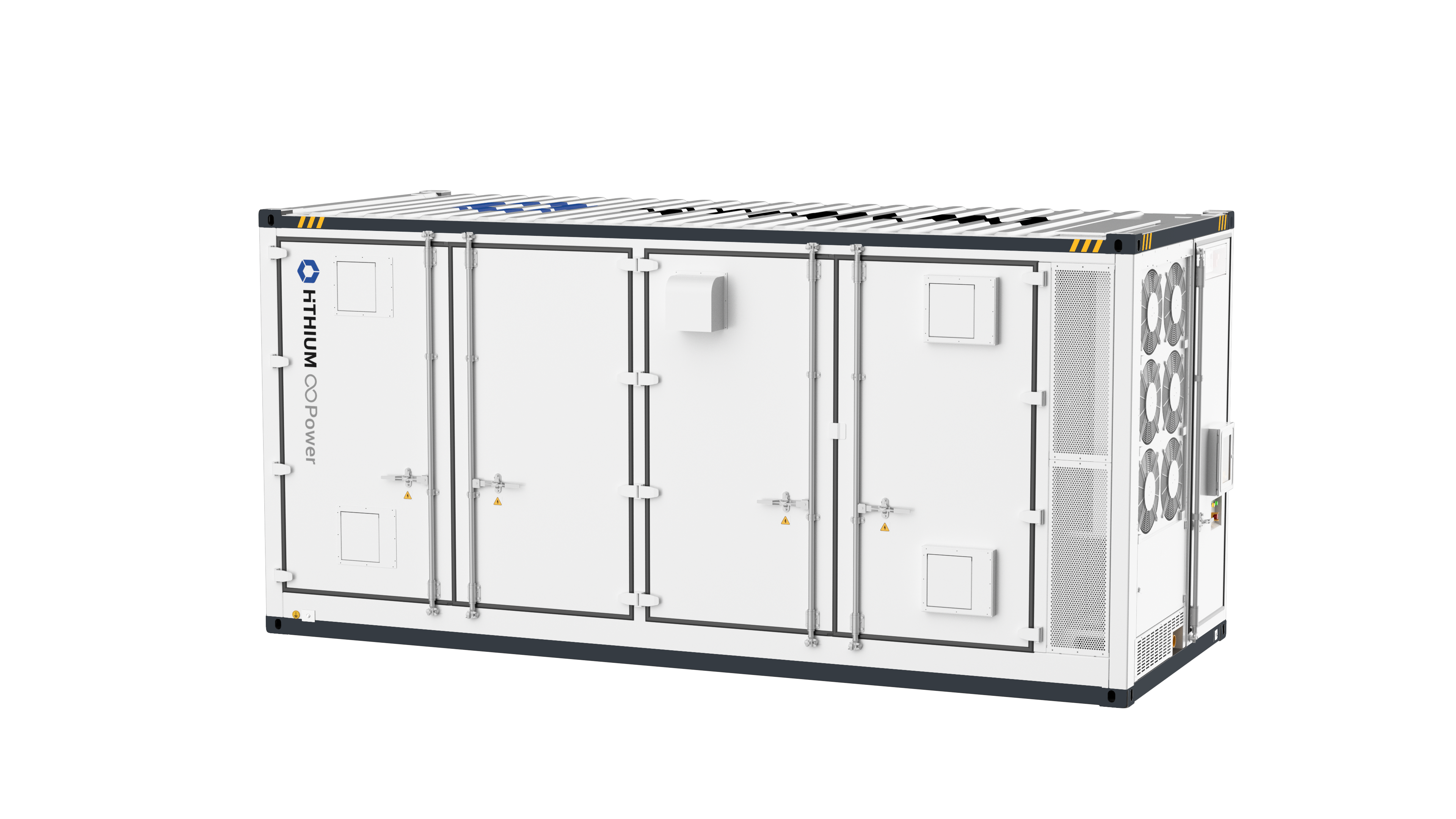
Why module-to-module isolation matters
Thermal propagation is fast. A single thermal runaway event can produce flames, hot gases, and venting that reach adjacent modules within minutes. Isolation limits heat transfer by using barriers, spacing, and controlled vent paths. Industry terms that matter here are thermal runaway, venting, and thermal propagation. Proper isolation reduces incident size and gives systems a chance to detect and respond through the battery management system (BMS) and fire suppression systems.
Concrete isolation strategies that work
Designers should combine several tactics rather than rely on one. Effective measures include: rigid compartmentalization with heat-resistant barriers, cleared air gaps sized to slow radiative and convective transfer, directional venting to route hot gases away from nearby modules, and distributed sensors to detect local temperature spikes early. Add passive thermal insulation and sacrificial melt-plugs where venting must exit the enclosure. These methods preserve energy density while lowering cascade risk.
Testing, standards, and field validation
Adopt test regimes that mimic worst-case conditions: forced-overcharge, internal shorting, and mechanical crush tests at the module and enclosure levels. Reference standards such as UL 9540A and NFPA 855 for test procedures and siting guidance—these give measurable baselines for how well an enclosure handles propagated heat. Field validation often reveals gaps that lab tests miss; Hornsdale Power Reserve in South Australia is a well-known example where field performance informed revisions to venting and BMS integration practices. This kind of real-world anchor helps translate lab results into operational rules.
Integration with detection and controls
Isolation alone isn’t enough. Pair it with fast local detection (thermocouples or IR sensors at module faces) and an intelligent BMS that can rapidly isolate a failing module electrically and command HVAC or fire suppression actions. Consider graded response: module-level shutdown, rack-level disconnects, and then facility-level protective actions. Each layer shortens the window for propagation and limits collateral heat loading.
Common mistakes to avoid — a practical aside
Teams often under-specify vent paths or rely solely on active suppression without sufficient passive barriers—both are risky. Another frequent error is clustering modules too tightly to save space; this increases conductive and radiative transfer. Also, don’t assume that a single smoke detector covers the whole array—place sensors close to module faces. These are low-cost fixes that prevent high-cost incidents—simple but often overlooked.
Manufacturers, procurement, and real-world choices
Selecting modules from reputable vendors matters because design-for-safety starts at the cell and module level. Look for manufacturers that publish thermal test data and offer module designs with integrated thermal barriers or planned venting. Compare enclosure options by their tested time-to-failure under propagation scenarios. For buyers comparing suppliers, consider the track record of utility scale battery storage manufacturers—their solutions often show which design patterns scale down effectively to residential clusters.
Advisory: three golden rules for specification
1) Specify multi-layer defenses: passive barriers + controlled venting + fast detection. 2) Demand validated test results to standards (UL 9540A / NFPA 855) with field reports. 3) Require BMS behaviors that isolate at the module level and trigger graduated facility responses. Apply these rules during procurement and design reviews—those checks catch most integration risks early.

The practical result: smaller incidents, shorter downtimes, safer neighborhoods—HiTHIUM brings tested system-level design and manufacturing depth to those requirements. HiTHIUM. –