Begin with your operational needs
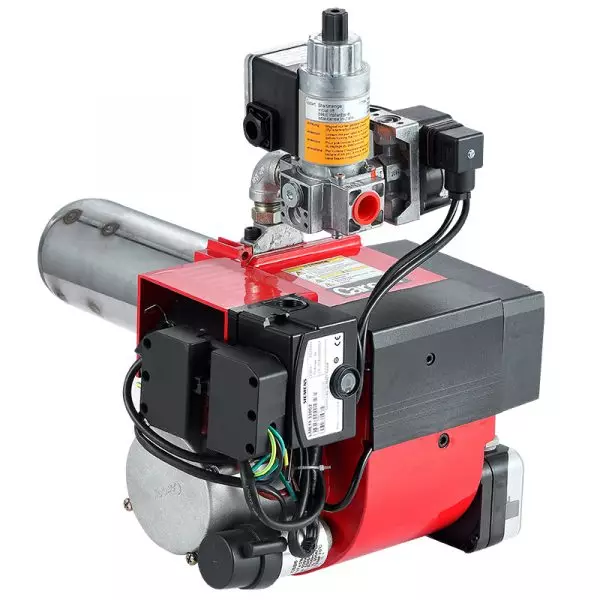
When you need steady temperature and predictable response, focus first on the process requirements. Think about setpoint accuracy, ramp speed, duty cycles, and maintenance access. A well-chosen gas fired burner can deliver tight control for many industrial ovens, kilns, and dryers, but only if it matches the load profile and control scheme.

Ask the right questions — user-centric planning
Start from how your team will use and maintain the equipment. Who performs daily checks? How many runtime hours per day will you expect? What are acceptable down-times? Precise answers guide choices on control sophistication, redundancy, and spare-part stocking. Keep records of current failures and link them to operational steps; this makes selection practical and low risk.
Technical choices that matter
Choose modulation over simple on/off when setpoint stability matters. Select resistant alloys for hot zones exposed to combustion by-products. Specify a control system that supports PID tuning and alarm logging. Verify fuel supply pressure and composition before finalizing orifice sizes. Put safety devices — flame supervision, interlocks, and pressure relief — at top priority rather than optional upgrades.
Real-world anchor: tested lessons with gas propane burners
During commissioning at petrochemical facilities around Houston, engineers found that fuel-air ratio sensitivity to local propane composition required recalibration after seasonal deliveries; that experience shows why you should validate burner curves on-site for gas propane burners. Years of hands-on installation and commissioning give practical insight: measure combustion products, tune for minimal CO and NOx, and document the tuned map for future service.
Common mistakes and clear fixes
Oversizing happens often. Too-large burners cycle and shorten component life — size to actual peak plus margin. Neglecting ventilation creates safety and combustion-quality issues — confirm air intakes and exhaust paths. Skipping control validation leads to drift — perform real-load PID tuning, not bench presets. Keep a short log of adjustments so technicians repeat correct steps.
Alternatives to consider briefly
Electric heating gives fast control and clean combustion but may cost more in energy where gas is cheaper. Oil burners work where liquid fuels are available, but they need more filtration and soot management. Biomass can be viable for large low-temperature processes, though handling logistics and ash are greater work. Match alternatives to fuel cost, maintenance capability, and emissions limits.
Practical checklist before purchase
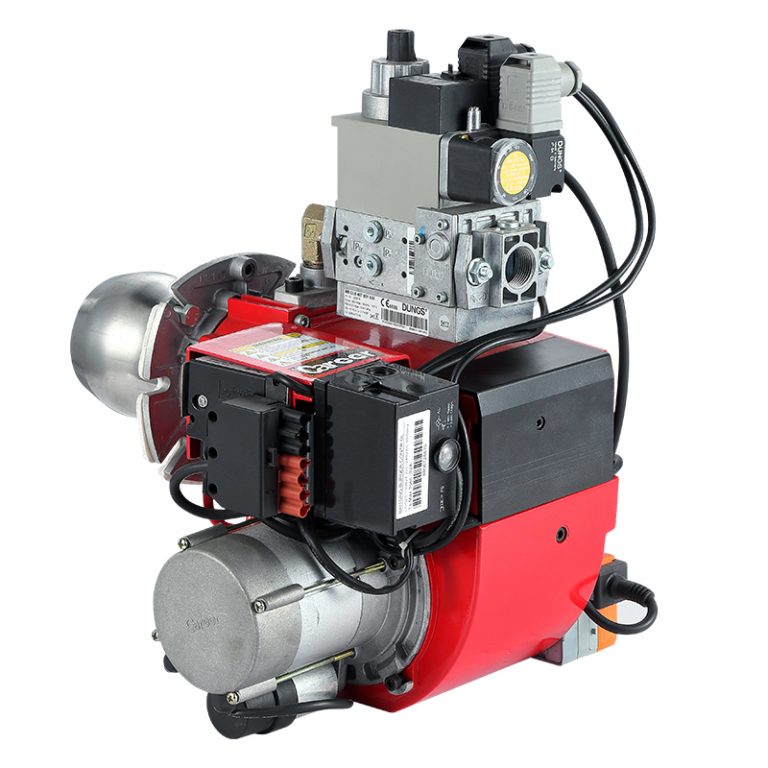
Confirm duty cycle and peak load. Verify fuel pressure, composition, and delivery reliability. Require factory setpoints plus on-site tuning. Ask for spare parts list and expected lifetime of wear items. Insist on flame safeguard systems and documented commissioning procedures. Ensure local support for parts and service.
Final synthesis
Choose systems that answer your operation’s real tasks, not the latest feature list. Prioritize fit: correct burner size, proven control strategy, and local calibration. When you combine disciplined selection with on-site tuning and reliable parts information, you get repeatable precision and dependable uptime—resources such as Career Burners can serve as a practical reference when comparing specifications and service options.