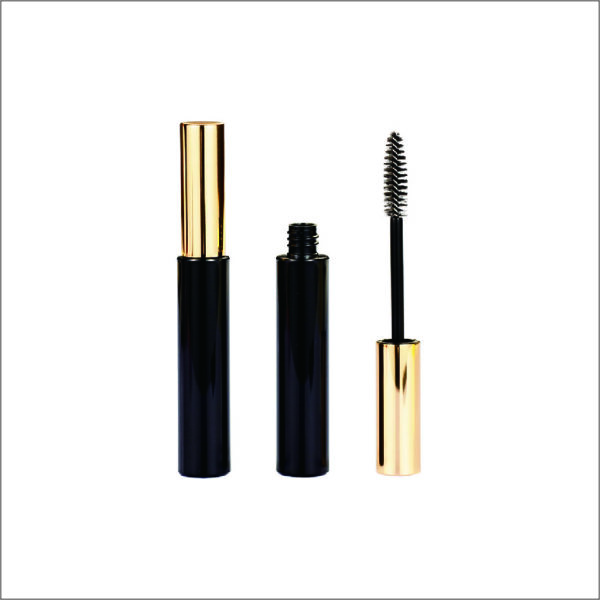
Introduction
You’re on the warehouse floor in Kwai Chung, dawn shift, cartons open, and the first wand sticks as you pull it out. For empty mascara tubes wholesale, that tiny snag can ruin a launch calendar and chew up margin in one go. Recent audits in APAC show packaging-related returns up 19% year-on-year, with 37% tied to wiper mismatch and thread play—numbers that hit fast when MOQs hit 10,000 and lead times stretch past 30 days (冬天更乾, summer more humid, lor). So the simple question: is the problem price, or is it the spec stack that sits under the price tag?
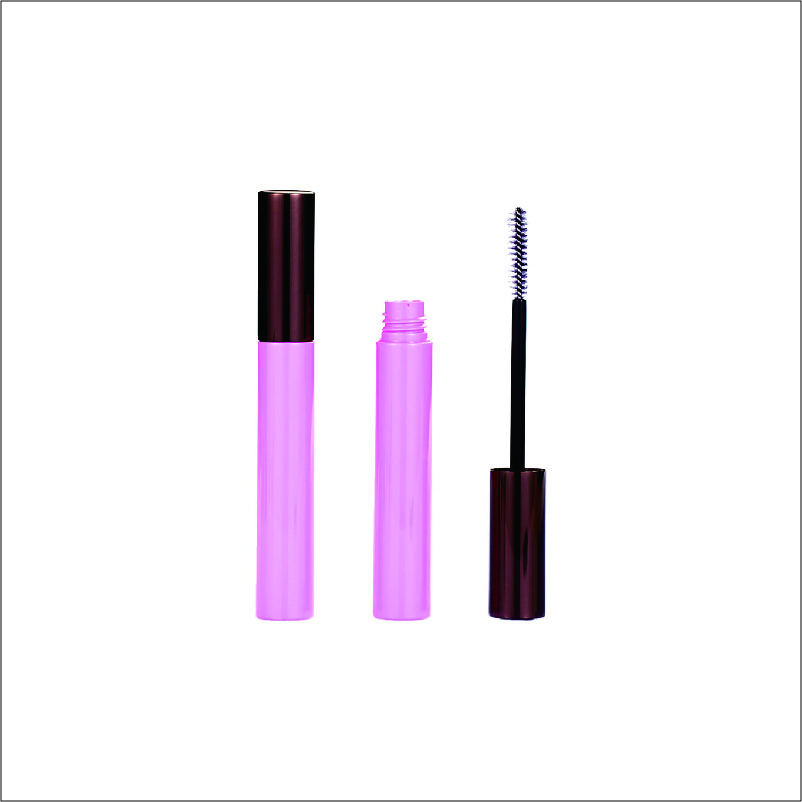
Let’s map the real comparison points and see where buyers can flip the script.
The Hidden Specs That Make or Break Supply
In Part 1 we sketched the basics; now, a tighter lens on the mechanics. A good mascara tube supplier doesn’t just quote per unit—they define tolerances that behave under load. Look, it’s simpler than you think. The trio is consistent: cap-thread pitch and depth, wiper ID vs. stem OD, and wand-seat geometry. Miss the tolerance windows and you get micro-leaks, clumping, or air ingress. The culprits hide in small places: injection molding drift after a long run, soft PP vs. stiffer ABS blends, and wiper torque that spikes when resin lots change. Add in UV coating thickness or anodized aluminum collars and you’ve moved mass—affecting closure feel and long-term seal.
Why do specs slip through?
Because many RFQs still stop at “material + finish + volume.” That leaves no guardrails for QC sampling, no torque testing plan, and no AQL for cap-body fit. Another blind spot: viscosity deltas. Lab batches feel smooth, but full-scale filling raises shear and heat, so wipers bite harder and mascara loses moisture faster—funny how that works, right? When the supplier’s drawings skip dimensional tolerances (±0.05 mm on neck bore, for example) or ignore surface energy after silkscreen, the formula can wet out differently and creep under the rim. Then the buyer blames “quality,” while the real issue is design control and process capability. The fix is boring but powerful: lock the spec tree, set torque windows in N·cm, and confirm barrier properties on components before any artwork. It’s not sexy, ah, but it saves the calendar.
Comparative Outlook: Smarter Controls, Fewer Surprises
What’s Next
The old way checks a few golden samples and hopes the rest follow. The better way builds verification into the line. Here’s the principle. Use inline vision to read thread pitch and flash at speed; couple it with SPC charts so drift triggers a pause before the bad lot ships. Tie wiper torque to a simple go/no-go jig that mimics real filling shear, not just dry assembly. And move from generic PP to graded PCR resin with known flow index, so injection pressure stays stable. When sourcing through mascara tubes wholesale, these controls create a fair comparison: not just “who is cheaper,” but “who holds tolerance after hour six on the press.” Small extras—digital COAs, cavity-level traceability, moisture conditioning before packing—reduce rework and protect your shelf life. Short story: process beats promises—every time.
Stack this against traditional sourcing and the gain is clear. You’re not paying for bells and whistles; you’re buying predictability. That means fewer returns, steadier fill weights, and a nicer “first open” feel. It also leaves room for brand details like soft-touch coatings or hot-stamp foil without risking peel at the crimp. Summing up our earlier points without repeating them: specs must be visible, torque must be managed, and materials must be matched to the wiper and wand. To choose well, use three metrics that travel with you: 1) Dimensional variance on neck bore and stem OD, recorded per cavity and kept within ±0.05 mm. 2) Wiper torque window across 20°–90° of rotation, verified wet and dry at line speed. 3) Volatility loss on the filled pack—target under 3% mass change after 14 days at 40°C, cap-on. Keep those three near your PO, and you’ll feel the difference on day one—yes, even under humidity swings. For a practical reference point without the sales pitch, see how teams document these checkpoints at NAVI Packaging.