Opening the problem: why cuts wander off target
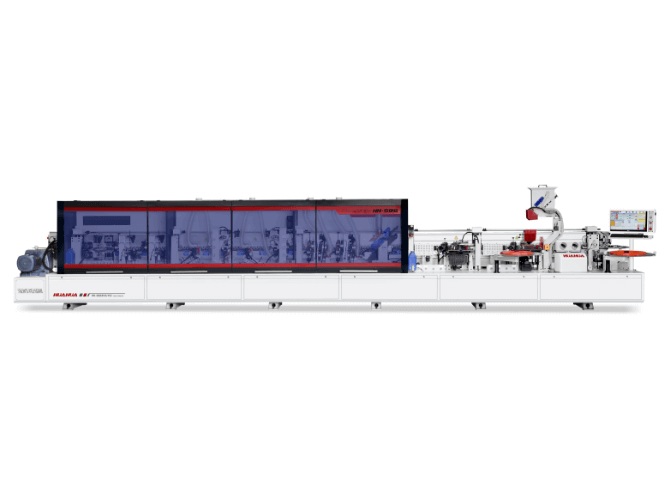
Small facilities I visit often blame material inconsistency or operator skill when finished parts sit outside tolerance. The trouble usually runs deeper — unstable fixturing, creeping tool offsets, vibration and inconsistent spindle control together nudge holes and slots off true. A modest change, like fitting a cnc woodworking machine, can stop the drift by enforcing repeatable motion and correct tool data, not by magic but by predictable control.

Root causes that make cutting inaccurate
Machines flex; clamps slip; tools wear. When a drill wanders it’s seldom one single fault. Common failings: weak workholding that lets the board slip, missing tool length compensation, incorrect spindle speeds for the cutter and wood density, and poor feedback about tool position. Even small thermal shifts or a dull bit change the result. These are practical, measurable causes — each one fixes with a clear action.
How CNC drilling corrects those core faults
CNC drilling replaces guesswork with set parameters. Fixed toolpaths remove human variability. Automatic tool offset and probing let the machine compensate for cutter wear and material height. Higher spindle RPM paired with correct feeds reduces tear-out because the cutter engages cleanly. Rigid frames and shorter tool overhang lower vibration, while consistent acceleration/deceleration keeps holes concentric. The result: holes and mortises that line up without repetitive manual sanding or rework.
Practical adjustments that matter most
Prioritise these: install proper clamps or vacuum tables; set and verify tool offsets each morning; use a short, sharp bit where possible; check spindle runout and tighten tool holders; run a simple test program after any setup change. A workshop that makes those adjustments saves time and produces matching parts from batch to batch. Small routines, big impact.
Common mistakes when shops adopt CNC drilling
Shops often expect instant perfection. They skip measuring runout, ignore programmed dwell at speed changes, or rely on worn bits to “still be fine.” Others underuse probing cycles and fail to document tool life, so machines drift back to old errors. Avoid overcomplicating G-code; keep programs clear and test on scrap. These mistakes lengthen the learning curve, not the other way around.

Alternatives and their trade-offs
Manual jigging and template routing keep costs down but lock accuracy to the jig’s precision and human clamping. CNC routers add repeatability, yet a dedicated CNC drilling machine gives better axial rigidity and faster, repeatable multi-spindle sequences when you need many consistent holes. Laser or waterjet offer precision for some materials, but for typical joinery and cabinetry a well-setup CNC drill delivers the right balance of speed, finish and tool longevity.
Real-world grounding and professional perspective
Having advised workshops in Dhaka and nearby industrial zones for several years, I’ve seen simple CNC adoption halve rework rates when teams follow disciplined setup steps. Local furniture manufacturers and trade fairs often highlight the same point: supplier support matters as much as the machine. For example, dependable woodworking machine suppliers frequently provide installation checks and training that prevent the common setup errors I described, and that hands-on support makes accuracy improvements stick.
Wrap-up: what consistent accuracy looks like in practice
When you tighten workholding, verify tool data, use probing and keep spindle and tool condition in check, the machine delivers repeatable cuts without constant fiddling. That steady outcome is the practical gain — parts that fit first time, less sanding, fewer returns. For many workshops that disciplined approach mirrors the consistent performance you see from manufacturers such as HUAHUA CNC, where design and service align to make accurate drilling a routine, not a gamble.