
Introduction: So, what’s really slowing us down?
Have you ever watched a machine sit idle and thought, “There goes another hour of lost margin”—and then laughed bitterly because half your day is waiting on status lights? Rhetorical, yes, but honest: the problems we face are real. CNC milling and turning centers hum along all day, yet throughput, setup time, and scrap rates still bite into profits. I’ve seen shops where a single mismatch in tooling strategy dropped production by 20% in a week. (True story — and yes, we fixed it.)
Let’s be frank: data shows small fixes stack to big wins. Cycle times, spindle idle time, and setup repeatability are measurable. So why do teams keep repeating the same mistakes? I’ll walk through the pain spots I’ve lived with and the practical things I’ve tried — with a few wry comments because, well, humor helps when you’re elbow-deep in chips. Now — onward to the deeper issues that hide beneath flashing alarms.
Peeling Back the Surface: Why “good enough” setups fail
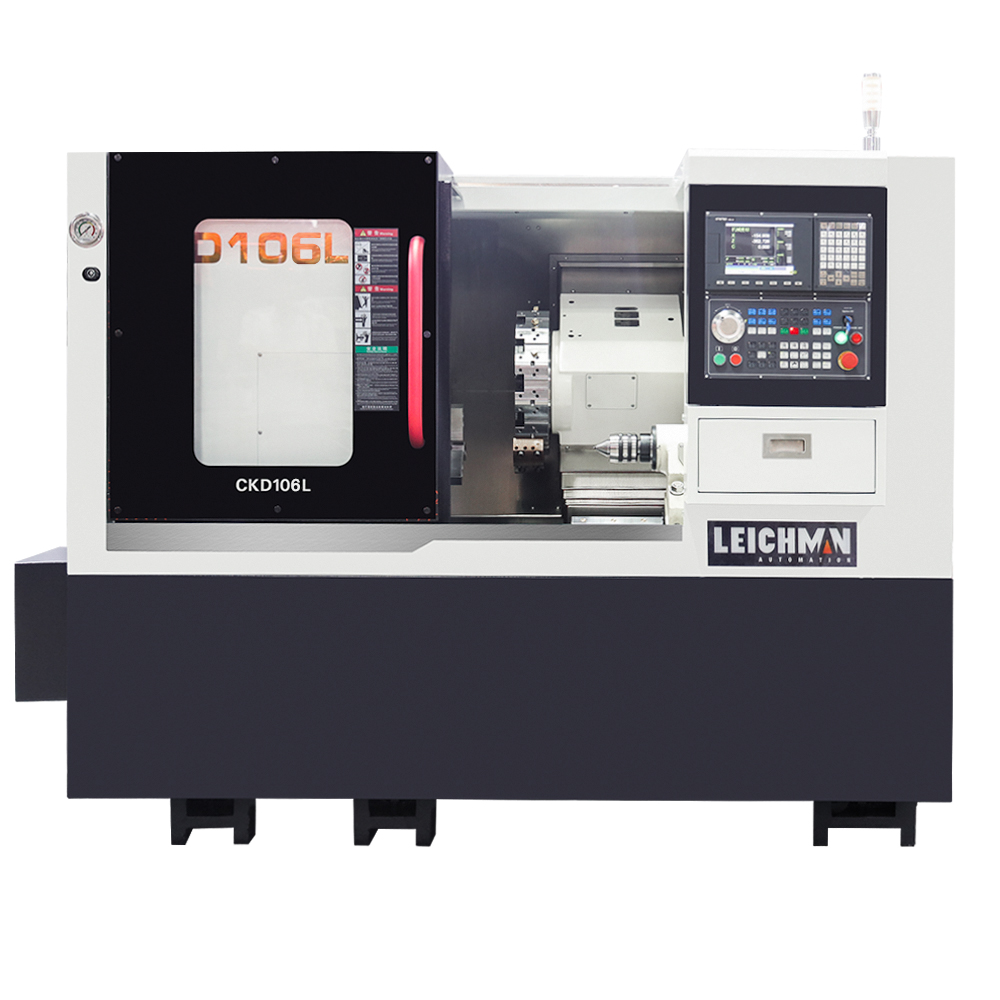
I want to talk about syntec control system cnc as the center of this discussion, because in many shops the control is the ecosystem that reveals flaws fast. Directly put: controllers, I/O timing, and recipe handling often mask process weaknesses until a tiny variance becomes a big jam. Look, it’s simpler than you think — small misalignments in tool offsets or lazy spindle speed choices cascade into scrap and rework.
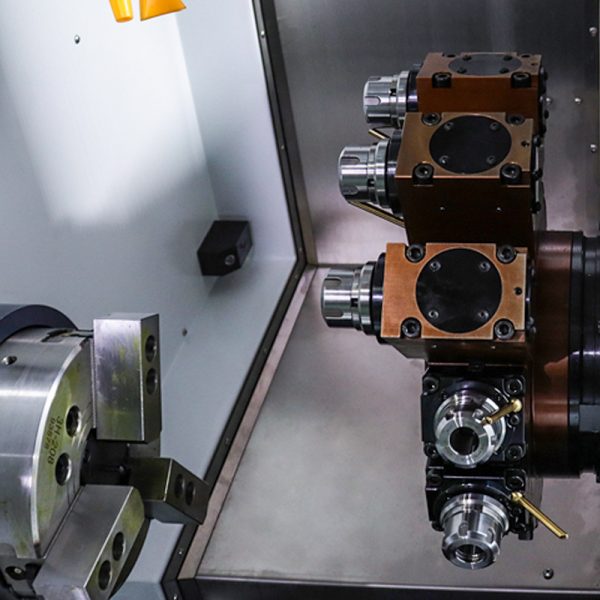
Most traditional solutions aim at hardware upgrades: faster spindles, new chucks, an expensive turret. Those help, sure. But they ignore root causes like poor tool life monitoring, inconsistent coolant delivery, or sloppy G-code practices. I’ve audited lines where the shop installed brand-new servo motors but never calibrated feed rates to material change — funny how that works, right? The result: a therapy of new parts without behavior change. The industry terms you’ll hear in such audits are spindle speed, tool turret, and G-code optimization — and they matter, but only when paired with proper process control and operator training.
So where does that pain show up most?
The pain shows up in three spots: inconsistent part geometry, tool breakage sneaking into production, and long setups when a machine changeover happens. I prefer to measure cycle efficiency, setup repeatability, and scrap per shift. These are blunt but honest. When I raise these with teams, some say, “We can’t afford downtime.” My reply: you can’t afford the slow drip of hidden waste either.
Looking Forward: Principles and practical next steps
Now let’s shift to principles that actually change outcomes. I’m leaning on new technology principles: closed-loop feedback, predictive maintenance logic, and modular fixturing. For shop owners and engineers, the question is practical: how do we apply this without a full retrofit? Answer: phased upgrades and better data. I’ve worked with teams who started with edge computing nodes that collected spindle load and tool life data, then used that to tune feed-rate tables. The machining line improved. Not overnight — but noticeably within a month.
What vendors call “smart machining” is really disciplined data use. I’ve tested touch probes, adaptive feed on the syntec control system cnc, and modest PLC upgrades to manage coolant and chip evacuation timing. The outcome? Fewer surprises, steadier cycle times, and happier operators. Also: the value from working with reputable cnc milling and turning manufacturers shows up in better integration and fewer finger-pointing meetings. — I mean it.
What’s Next: Where to pilot change?
Pick one bottleneck. Run a 30-day pilot. Measure before and after. That’s my rule. Start with tool life analytics or a simple adaptive feed test. If you’re bold, add a dashboard that shows spindle load and cycle efficiency in real time. You’ll be surprised how much clarity a single chart provides. I say “we” because I’ve run these tests and coached teams through the awkward early days of change — and I can tell you, the human part matters as much as the tech.
Closing Advice: How to evaluate solutions fast
Here are three practical metrics I use to pick the right path — use them as a checklist when evaluating upgrades or vendors:
1) Net Cycle-Time Improvement: Measure average cycle time over 100 parts before and after (include operator variability). If gains are under 5%, don’t spend heavily. 2) Setup Repeatability Score: Track the time for changeovers for five consecutive runs; goal is a clear downward trend. 3) True Cost of Scrap: Calculate scrap plus rework per shift as dollars lost — not just bad parts but lost labor and downstream delays. These three numbers tell you whether a proposed change will pay off or just look good on a spec sheet.
I prefer pragmatic pilots over promises. We choose measurable targets, iterate, and keep operators in the loop. That keeps morale up and results real. If you want a starting point, consider solutions that improve feedback loops first — spindle monitoring, tool life sensors, and better program management on the controller. In my experience, that approach gives the best ROI — and I say that after watching both failures and wins.
For practical tools and hardware that align with these steps, I often point teams toward vendors I’ve worked with, because integration matters. When you’re ready to move from talk to action, take a look at Leichman for options that match this incremental, data-driven approach.