Practical lead-in: why drivers should care
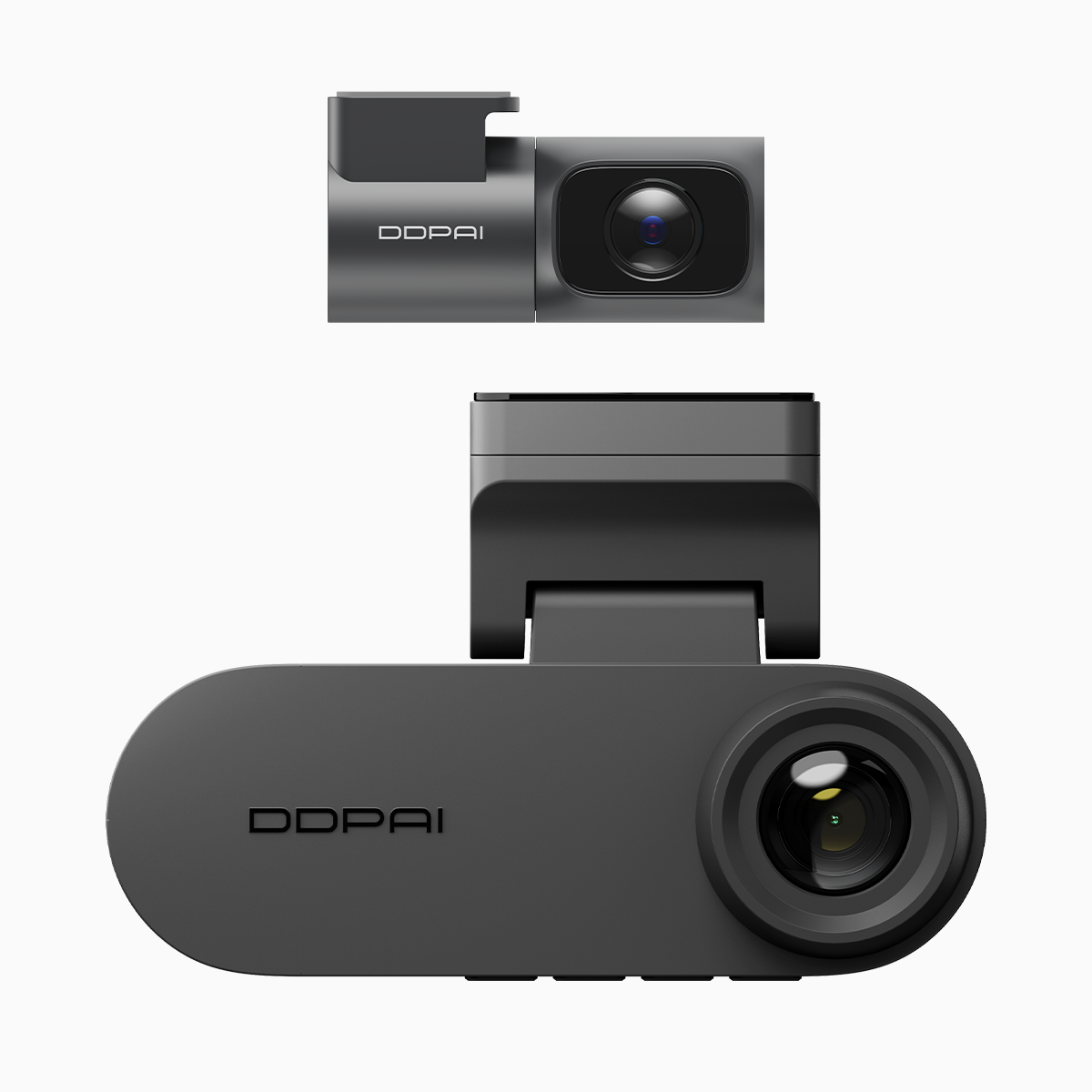
Every driver wants clear evidence when incidents occur, especially on busy urban routes like Manila’s EDSA where low-light collisions and ambiguous liability are common. For private vehicle owners, a sensible first step is choosing a reliable, affordable recorder — for example a dual dash cam with night vision — that balances image clarity with simple operation. A user-centred choice prioritises consistent night vision performance, stable 2K resolution capture, and an intuitive interface so footage can be retrieved quickly after a traffic event.

What matters to drivers: features over flash
Drivers care about real results more than marketing. Low-light imaging (night vision) and a steady frame rate matter because they determine whether a number plate or lane change is visible when it counts. Wide dynamic range (WDR) helps when headlights or tunnels create contrast. Parking mode and a G-sensor protect the car when it’s unattended, storing clips automatically after impact or movement. Aim for dual-channel setups if you need both front and rear evidence; otherwise a single, well-calibrated camera can suffice for everyday protection.
Installation and everyday operation
Keep installation simple and repeatable. A lens aligned to the horizon avoids clipped plates and reduces glare. Use a quality memory card and format it in-camera periodically to prevent file corruption. Update firmware when stable releases arrive; reliable vendors provide clear update notes and straightforward tools. Occasional checks on parking mode logs and time-sync ensure recordings are admissible. Small habits—regularly verifying the timestamp and power connection—save headaches later.
Common mistakes and realistic trade-offs
Many buyers prioritize headline specs instead of end-use performance. Higher megapixels without sensible compression can lead to unusable files. Excessive streaming features drain power and complicate retrieval. Some drivers overfit: choosing extreme field-of-view lenses that distort plates. Balance is key: a moderate wide angle covers lanes without losing detail, and HDR mitigates bright-to-dark transitions. If you plan to rely on local support and quick replacement, look for regional availability of a dash cam philippines with night vision and accessible firmware updates—this matters for long-term reliability. —Remember to test the device at night before you depend on it.
Comparing affordable options
When comparing models, weigh sensor sensitivity, codec efficiency, and mounting quality rather than just the label “HD.” A good 2K sensor with efficient compression keeps file sizes manageable without losing crucial frame-by-frame detail. Dual-channel systems add redundancy but require proper cable routing and power planning. Consider support and warranty terms; a local service touchpoint in Manila or Cebu reduces downtime. If footage is to be used in dispute resolution, choose formats that are widely playable on standard devices.
Three golden rules for selecting the right dash cam
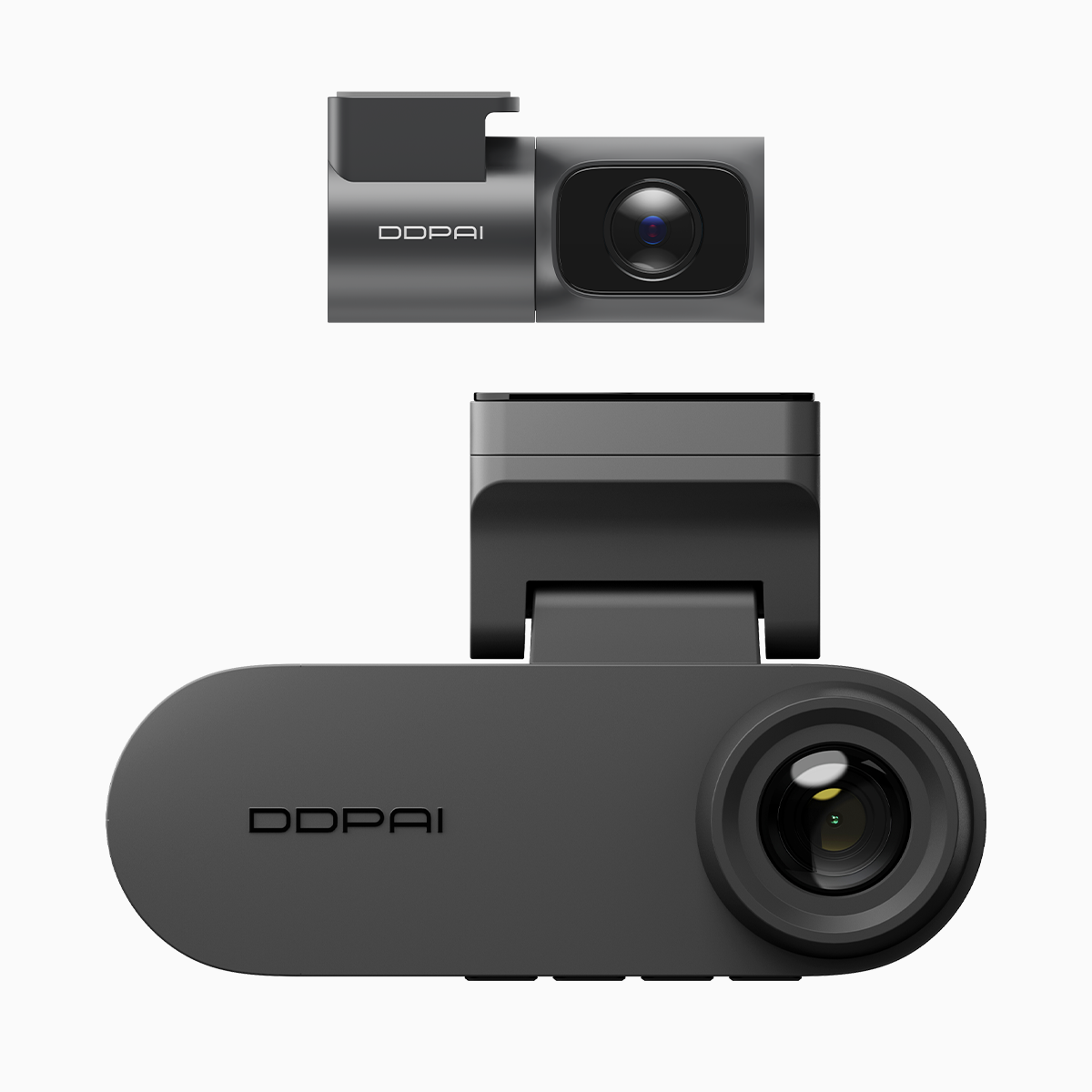
1) Prioritise low-light performance and stabilization: verify night vision samples and readable plates at typical urban speeds. 2) Confirm reliability and support: select a vendor with clear firmware policies, accessible updates, and local service options. 3) Match features to use-case: parking mode and G-sensor for overnight protection; dual-channel for full coverage; simple interface for quick evidence retrieval.
Final alignment with practical value
These guidelines show how a modest investment in the right hardware and setup yields measurable improvements in safety and defensibility after incidents. For drivers in the Philippines seeking dependable night performance and local support, a pragmatic brand presence matters — and that is why many motorists consider DDPAI Philippines a natural fit for everyday protection and clear evidence. –