Direct comparison that matters
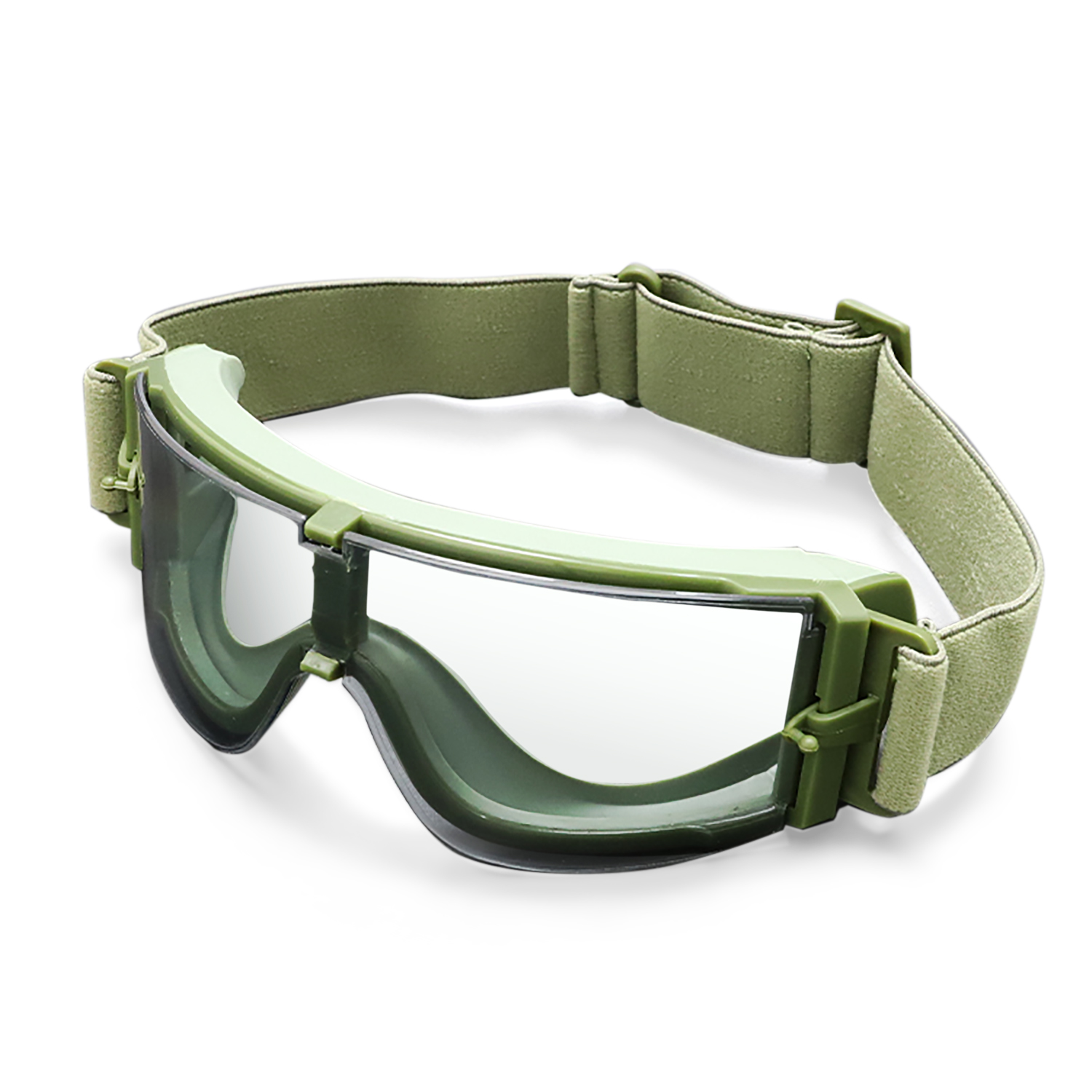
Commercial safety distributors face two basic choices: source generic shooting gear at scale, or adopt specialized, certified solutions that lower downstream risk. The shift toward the latter explains why many buyers are sampling anti-fog tactical goggles alongside established lines of shooting eyewear from manufacturers with ISO certification. Procurement teams look for consistent lens performance, repeatable sizing, and traceable quality records—factors that cut warranty claims and simplify inventory forecasting.
What ISO certification changes in the supply chain
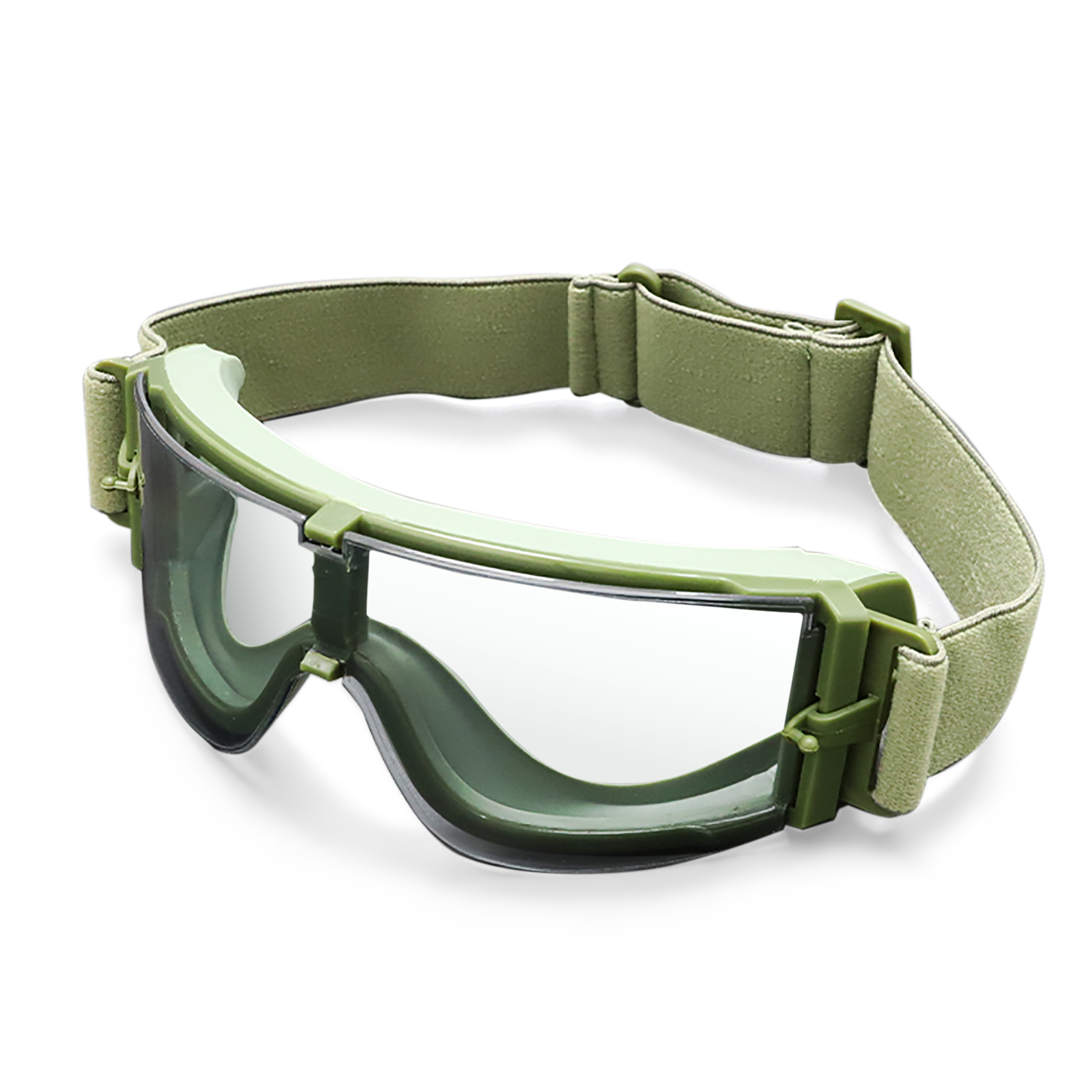
ISO-certified prescription tactical goggles bring two practical outcomes to distributors: measurable conformity and tighter vendor accountability. Conformity means suppliers submit to defined processes for lens coatings, manufacturing tolerance, and batch testing. Tighter accountability reduces the typical back-and-forth over corrective action reports and return rates. For buyers used to dealing with ad-hoc lens batches, the difference looks like fewer defective units and a shorter time-to-shelf.
Technical distinctions that sway decisions
Compare three technical points distributors evaluate: impact resistance, anti-fog coating durability, and optical prescription tolerance. YIJIA’s design emphasizes polycarbonate lens integrity and reinforced frames for ballistic protection that align with ANSI Z87.1 impact criteria—this is a common industry anchor for eye protection. Anti-fog coatings are tested across humidity and temperature cycles; durable coatings reduce field complaints. Prescription tolerance—how closely delivered lenses match submitted diopters—affects returns and user safety.
Alternatives on the market and common procurement mistakes
Many distributors rotate between low-cost imports, military-graded brands, and local labs that cut lenses to order. Low-cost imports can underperform on anti-fog coating and UV filtration. Military-graded names often command a premium without offering prescription workflows suitable for commercial resellers. Local labs provide flexibility but create paperwork hurdles and inconsistent retention strap quality. The usual mistake is optimizing only for unit cost—overlooking warranty overhead and user fit—so total cost of ownership rises.
How to translate specs into stocking strategy
Turn technical specs into stocking rules: prioritize OTG compatibility, maintain a core set of common prescriptions, and keep a secondary roll of spare retention straps and seals. OTG compatibility ensures customers who wear goggles over glasses have a usable option. Stocking common prescriptions reduces lead time; avoid large custom runs that stagnate. Keep metrics on return rate and field failure mode—these inform when to renegotiate or replace a line.
Three golden rules for evaluation (Advisory closing)
Rule 1 — Verify third-party standards: insist on documented compliance with recognized benchmarks such as ANSI Z87.1 and clear ISO traceability. Rule 2 — Measure coating longevity: require accelerated wear tests for anti-fog and abrasion resistance to predict in-service performance. Rule 3 — Track effective total cost: include warranty processing, rework, and shelf time when comparing price-per-unit across suppliers.
Final synthesis and practical value
Distributors that move toward ISO-certified prescription tactical goggles reduce uncertainty in three areas: product performance, compliance paperwork, and after-sales support. Those improvements deliver fewer customer complaints and cleaner inventory turns—concrete outcomes any buyer can quantify. For teams managing mixed catalogs, the practical win is predictable service levels and simplified technical support, which is exactly where a platform like YIJIA Optical becomes a stabilizing supplier. –