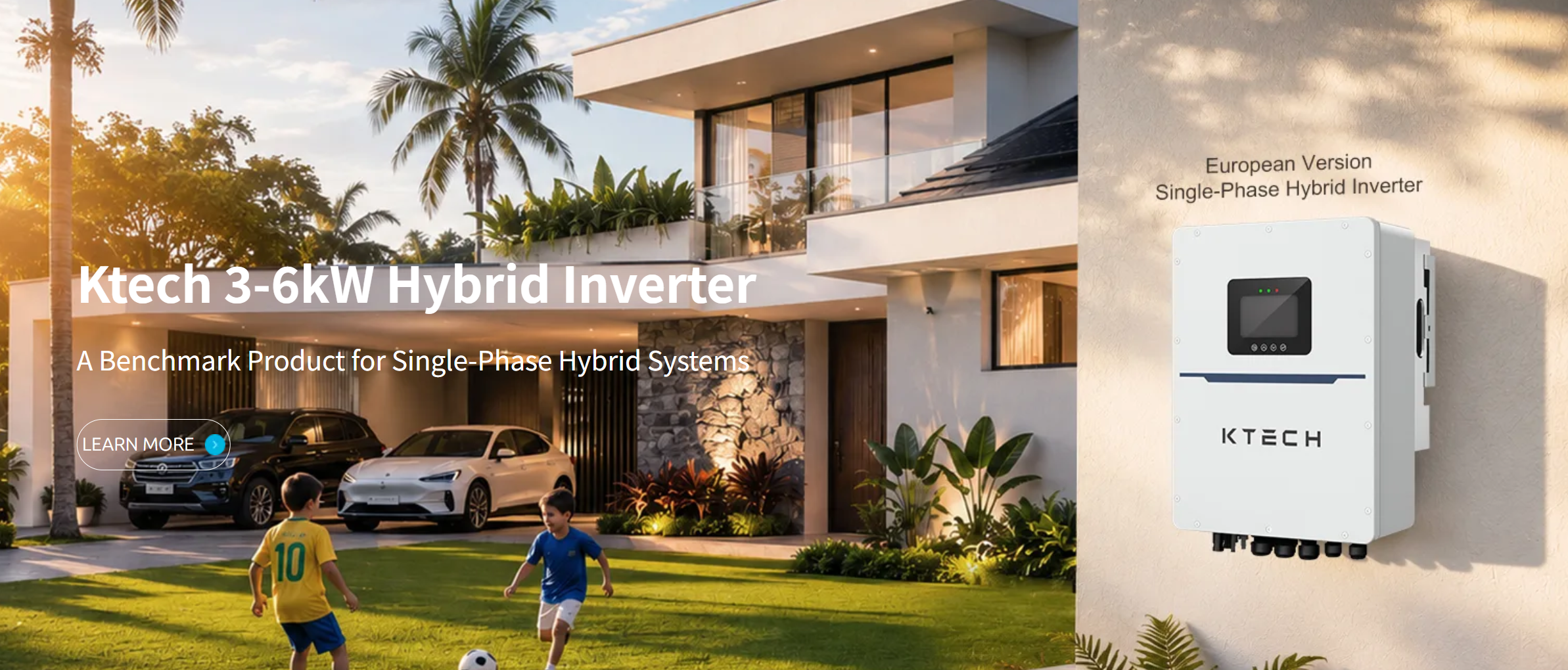
Start with what matters to the household
You want an inverter that simply works for the family using it. That means dependable waveform control, clear performance numbers, and service that responds when something goes wrong. If you’re comparing units, begin with the solar inverter specifications that map directly to daily use: peak power, continuous output, and backup capability. Homes in places like California already show how different inverter choices affect energy bills and outage resilience, so think about the real patterns of use where the system will sit. For many buyers that means a focus on a compact, efficient solar inverter for home that fits the roof-to-panel layout and the household’s outage tolerance.
What homeowners actually struggle with
From my conversations with installers and homeowners, the same problems come up again and again. Keep these in mind as a checklist:- Oversizing or undersizing the inverter relative to realistic solar production and household load.- Buying based on headline efficiency alone, without checking derating at higher temperatures.- Assuming warranties cover everything; some parts of service are conditional or require registered commissioning.- Choosing a model with limited monitoring or a closed ecosystem that forces costly proprietary parts.Addressing these avoids wasted time and adds immediate value to the people using the system every day.
Match features to user needs — a simple decision tree
Think of the household first, then the technicals. Use these straightforward matches:- If backup during outages matters: pick an inverter with integrated battery support and clear islanding behavior.- If the site is hot or shaded: favor models with conservative thermal derating curves and flexible MPPTs.- If the installation will scale or be maintained by local teams: choose widely supported communication standards (Modbus, HTTP) and proven service networks.- If budget is tight but reliability matters: prioritize solid warranty terms and replaceable power modules over exotic bells and whistles.This approach treats the homeowner’s daily reality as the design driver, not marketing claims.
Installation, commissioning, and real-world checks
Installers and developers win trust by doing a few concrete things well:- Verify nameplate ratings against expected site production and safety margins.- Validate firmware and communications during commissioning; don’t assume defaults are optimal.- Log initial performance for two weeks to catch configuration errors or MPPT mismatch.- Confirm spare parts and firmware update paths with the vendor before closing the job.These checks reduce callbacks and create measurable reliability for the household using the system.
Alternatives, trade-offs, and short evaluations
Quick comparisons that help decisions:- String inverter: cost-effective for uniform arrays, simpler to maintain, less granular monitoring.- Multi-MPPT string inverter: better for partially shaded roofs or complex orientations.- Hybrid inverter with battery interface: best for backup and time-shifting, but higher upfront and maintenance complexity.- Microinverters: excellent for per-panel monitoring and irregular roofs, higher component count can complicate long-term service.Choose the model that minimizes the most common pain points for the end user on that specific roof and budget.
Common pitfalls to avoid during procurement
Buyers and distributors often miss these practical items:- Not confirming firmware update policy and remote-access security.- Ignoring derating specs at the site’s typical ambient temperatures.- Accepting generic warranty language without clear service-level expectations.- Overlooking spare-part lead times in procurement contracts.Being clear about these in proposals saves time and protects the home’s energy availability.
Wrap-up that respects the user
People want predictable power and straightforward service. Match inverter choices to daily needs, validate performance on-site, and insist on clear support terms. That practical focus produces reliable systems for households and smoother projects for distributors and developers alike, which is exactly the kind of dependable thinking you’ll find with Ktech.