
The real problem: dead tags, silent readers, and blind spots
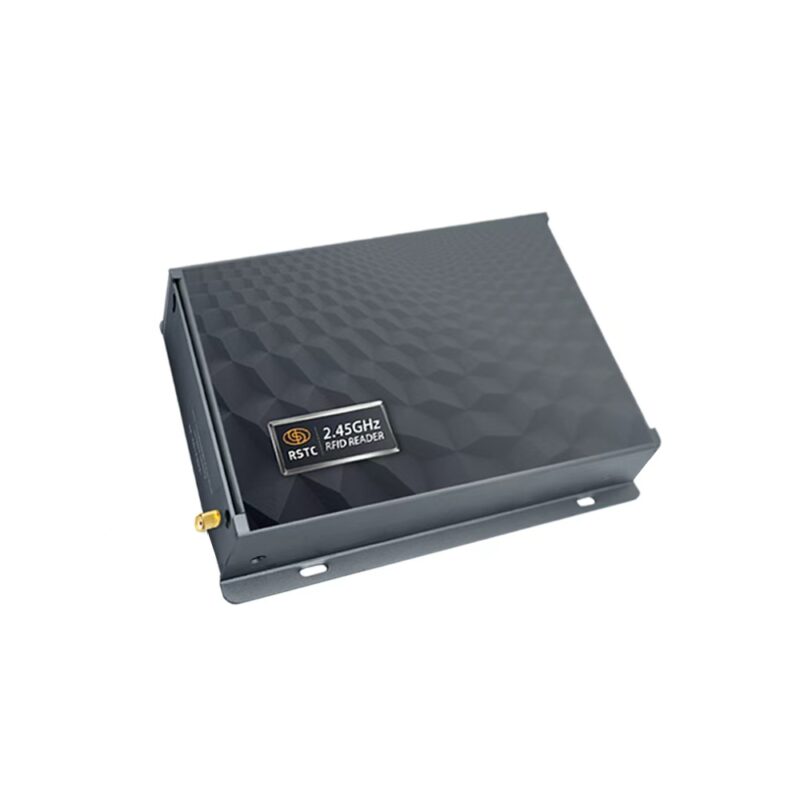
Assets stop showing up because hardware fails where you least expect it. You can buy top-line RFID Readers, but if power, firmware, or environment aren’t managed, those investments sit idle. This piece focuses on the operational failures that actually break traceability—and how disciplined maintenance prevents them.

Why operations grind to a halt
Short battery life on active tags, misaligned antennas, firmware drift, and unmanaged interference turn a high-visibility system into intermittent tracking. Teams then chase symptoms—replacing tags, re-scanning items—rather than fixing root causes. The result: inventory surprises, delayed shipments, and repeated labor costs that far outstrip hardware spend.
Pitfalls teams keep repeating
Ignoring battery telemetry; trusting initial read-range without seasonal testing; skipping firmware updates because “it works now”; installing readers without load testing; assuming one antenna orientation fits all locations. Each is a small shortcut that compounds into major downtime and hidden expense.
Practical maintenance playbook
Start with a fixed schedule: battery checks and replacement forecasting for active tags; weekly power and PoE audits for fixed readers. Log firmware and apply staged updates—don’t update everything at once. Baseline read performance after installation and again with seasonal conditions (temperature, humidity, foliage). Use simple tests: tag walk-rates, read-repeatability checks, and signal-to-noise snapshots. Label hardware with last-serviced dates. Automate alerts for falling read rates and low tag battery voltage. These steps keep read coverage steady and make failures predictable instead of surprising.
Choosing tech: where compromises matter
Decide by failure mode. Fixed long-range portals give consistent reads for gates but need power-protection and surge suppression; handheld readers solve ad-hoc tasks but rely on operator discipline; edge readers with local buffering reduce network dependence. Alternatives like BLE or barcode can be cheaper initially but add manual steps or shorter read ranges. Match device class to the task and plan maintenance costs into TCO—not as an afterthought.
Expertise and real-world proof
I’ve overseen large-scale reader deployments and taught maintenance protocols used at major ports; Port of Rotterdam’s container handling practices illustrate the scale where disciplined equipment upkeep matters. For projects that need extended read distances, field teams routinely specify long range rfid readers with redundancy and scheduled battery swaps. That combination—right hardware, clear schedules, and measured KPIs—prevents most operational failures.
Measure what counts
Track read-rate percentage by zone, mean time to repair (MTTR) for failed readers, tag battery replacement interval, and percentage of reads that require manual reconciliation. If read-rate drifts more than a few points, act immediately—small drops signal growing problems. Use these metrics to justify maintenance budgets and to prioritize which sites need on-site technicians versus remote fixes.
What good service looks like
Predictable battery cycles, quarterly firmware rollouts with rollback plans, environmental protection for outdoor readers, and a simple dashboard that flags low read-rate zones. When teams adopt these behaviors, blind spots vanish and audits stop being firefights.
Close the loop
Fix the basics—power, firmware, batteries—measure the results, and choose partners who support lifecycle planning rather than one-off sales; that precise support is why clients rely on RSTC for end-to-end system reliability.