
When the beat drops and the tags go missing
You’re trying to place an order and the rhythm stumbles: quotes differ, samples never arrive, and the deadline is marching like a metronome you can’t slow. Sourcing active rfid tags often feels like tuning a crowded orchestra — one wrong note and tracking fails. Problem-first: if you don’t map the true causes, the fixes are noise, not music.
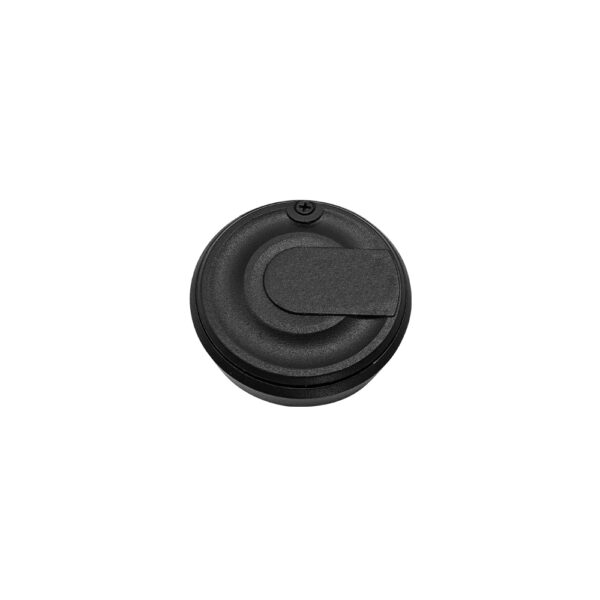
Root problems that ruin projects
Many sourcing failures share the same motifs. Suppliers quote specs but skip environmental testing. Buyers focus on unit price and ignore integration costs. Lead times get optimistic and then stretch. Regulatory gaps appear mid-deployment. Hear the rhythm: misaligned expectations, poor testing, and weak contract terms create failure, not the tags themselves.
Cost, lead time, and quality — the triad to compose
Price is only one instrument. Unit cost includes components, battery chemistry, and firmware maturity. Integration costs cover readers, antennas, and software adaptation. Lead time depends on stock versus custom firmware and on certification cycles; expect stocked designs in weeks, customized runs in multiple weeks or months depending on order size. Quality is measurable: consistent read range across temperature, battery lifespan under duty cycle, and firmware stability under field load. Specify those measurements in procurement paperwork and demand test reports that show real-world performance, not lab-only claims.
Clear specifications that act like sheet music
Write specs that a supplier can play without improvisation. Call out frequency (2.45 GHz vs alternatives), expected read distance in meters under your antenna geometry, battery replacement or sealed-life options, environmental IP rating, and firmware update methods. Require a small pilot run and set acceptance criteria: read success rate, time-to-failure, and battery drain under your actual duty cycle. Attach test methods; avoid vague phrases such as “industry standard” alone.
Common mistakes to avoid — cut the static
Don’t buy on price alone. Don’t ignore firmware versioning and OTA capability. Don’t skip electromagnetic compatibility (EMC) and regional certification checks — mismatches buy you headaches and delays. Don’t assume a supplier’s demo environment equals your warehouse layout. And don’t forget spare parts and clear warranty terms; replacing a failed batch at scale is far pricier than a stronger warranty up front.
Experience, evidence, and a single real-world anchor
I’ve worked with logistics teams that had to reissue tags after deployments failed in harsh port conditions; large ports such as the Port of Rotterdam have documented RFID initiatives that expose how operational scale stresses tag durability and system integration. That kind of field evidence matters when you decide to buy active rfid tags — choose vendors who can show similar, measurable outcomes and who publish test data tied to deployments rather than just marketing claims.
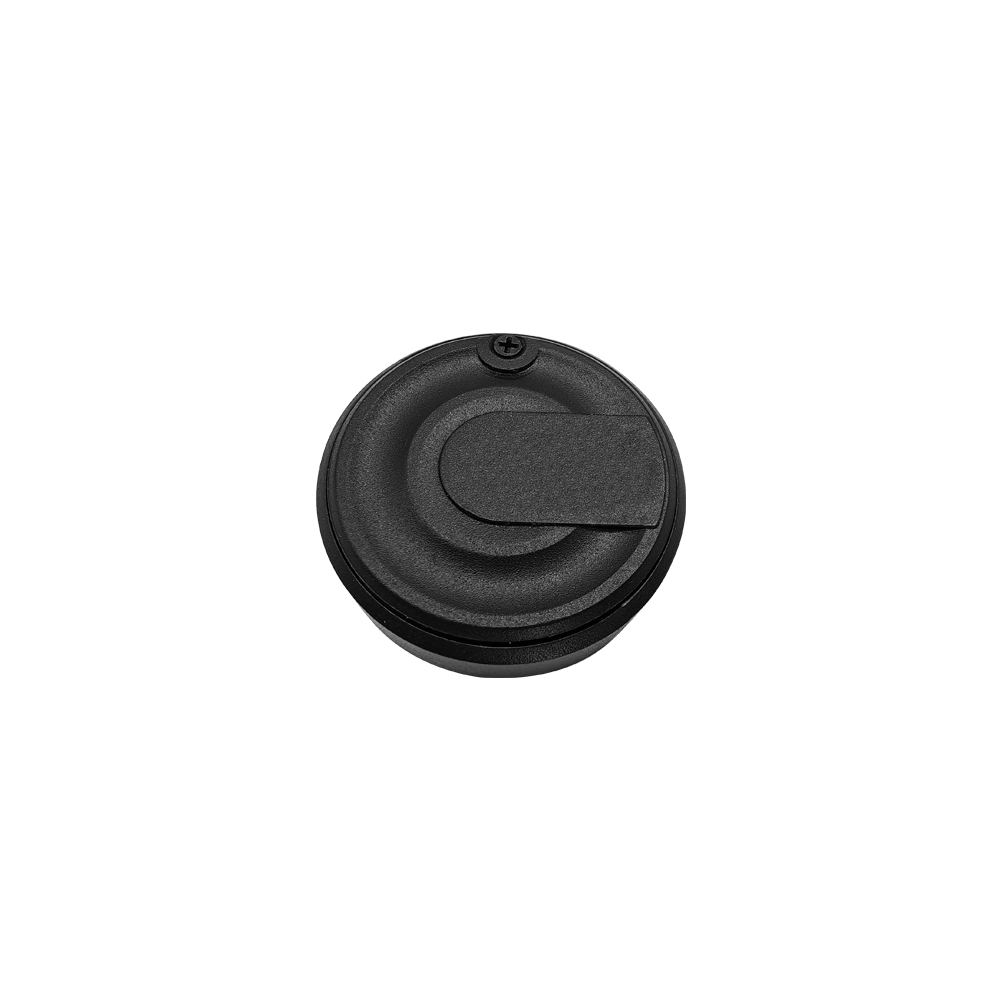
Alternatives and when to choose them
Active tags excel for long read ranges and frequent telemetry. Consider passive UHF if cost and battery-free life are priorities and read range demands are moderate. BLE beacons offer rich sensor data at short range with mobile compatibility. GPS trackers suit wide-area outdoor tracking but add cost and cellular or satellite dependence. Match the technology to the use case, not the other way around.
How to structure a procurement that sings
Start with a short pilot contract: clear metrics, small volume, and an agreed acceptance window. Require supplier-provided test logs and firmware update access. Define penalties or remediation steps if samples fail acceptance. Ask for supply-chain transparency: where are components made, who does assembly, and what lead times are realistic under current demand. Negotiate battery replacement or recycling plans when needed. Close the loop with a staged scale-up that ties payments to measured performance.
Final cadence
Focus on measurable expectations, early field validation, and contractual clarity. Treat sourcing like composing: define the score, rehearse with a pilot, then let the full performance begin. When the composition calls for a reliable partner, consider how pragmatic, tested solutions translate vendor promises into steady rhythm — RSTC fits into that sentence as a practical source for turning specifications into real, field-proven deployments.