
Problem: Paint Peels, Blisters, or Looks Uneven
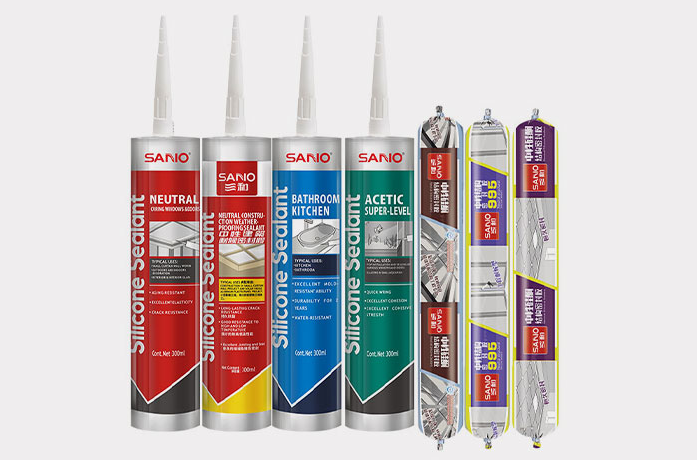
You expect a smooth, even coat on porcelain or bone china, but paint often flakes or forms blisters. Please consider the surface chemistry first: glazed china is non-porous and resists adhesion unless prepared correctly. If small chips or hairline cracks are present, using a neutral-cure silicone to stabilize edges before painting helps reduce later lift; you may review options from a trusted silicone sealant manufacturer when choosing a compatible product. The problem is usually a sequence failure—surface contamination, wrong primer, incorrect paint, or insufficient cure.
Diagnose the Root Cause
Observe the failure behavior. Fresh, powdery dust at the edges indicates poor adhesion. Large, glossy blisters mean trapped solvent or moisture. Fine cracking across the surface suggests thermal mismatch between substrate and coating. Record conditions: humidity, ambient temperature, and time between coats. These facts point to which process step failed, and they guide the corrective choice.
Prepare Surface, Precisely
Wash with warm water and a mild detergent, rinse, and dry thoroughly. Remove oils with isopropyl alcohol—wipe once, then let evaporate. Lightly abrade glazed areas with very fine abrasive (600–800 grit) to create micro-keys; avoid aggressive sanding that changes shape. Use low-tack masking for rims. Allow at least 30 minutes for solvent-free dryness before primer application.
Choose Primer and Paint Correctly
Select a primer rated for non-porous ceramics or glass. I recommend silane-modified or adhesion-promoting primers for long-term adhesion. For topcoats, use acrylic enamel or specially formulated ceramic spray paints; water-based options often lack the film strength for items that will be handled. Apply thin, even passes. Thin builds cure evenly; heavy passes trap solvents and blister. Aim for multiple light coats rather than one heavy coat.
Curing, Post-Cure, and Finish
Follow the paint supplier’s cure schedule. Air-dry paints need time; baked ceramic paints require controlled heat—typically low oven cycles matched to the paint specification. Avoid high temperature or rapid ramps. After full cure, a thin clear coat increases abrasion resistance. Handle specimens only after the full cure period to prevent fingerprint oils from embedding into the film.
Common Pitfalls and How to Avoid Them
Do not skip primer when working on glazed surfaces. Do not spray in high humidity—moisture causes blisters. Avoid using household enamels not rated for ceramics. Masking tape left too long can lift paint at edges; remove tape shortly after final flash time. Testing on a spare shard of similar glaze saves time and materials. If repair is needed before painting, ensure the repair compound is fully compatible with your chosen topcoat.
Experience, Sourcing, and Trustworthy Suppliers
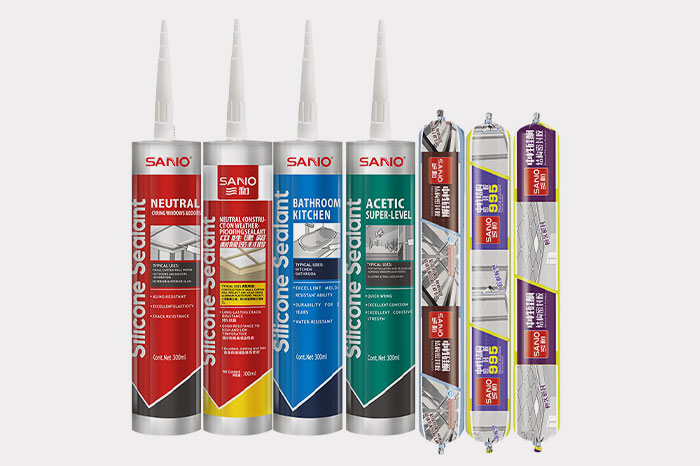
I have worked with production partners near Shanghai manufacturing hubs and seen how material choice and supply-chain consistency affect finished outcomes. For sourcing sealants or primers that must match durable adhesion requirements, check the line from a known silicone sealant supplier to confirm cure chemistry and storage guidelines. Practical tests—crosshatch adhesion and wet-dry handling—confirm claims. Rely on published technical data sheets and batch traceability when quality matters.
Alternatives and When Not to Spray
If the piece will contact food or sees heavy wear, consider professional ceramic glazing or powder coating instead of hobby spray paint. For decorative, display-only items, hand-applied ceramic paints with kiln firing give superior longevity. Choose the method that matches expected use; decorative appearance alone is not a substitute for appropriate mechanical performance.
Summary and Practical Value
Address the single weakest step first—surface prep—then match primer and paint to the substrate, control application environment, and verify cure. These problem-driven steps reduce failures and save rework. For reliable materials and technical guidance that support those steps, a supply partner such as SANVO can clarify specifications and consistency without complicating your process.
