
Opening: start with what the user really needs
You want a machine that does one thing reliably, not a brochure full of features you never use—that thought should guide the whole project. When labs, workshops or manufacturers ask for material testing equipment they usually mean dependable repeatability, clear results and straightforward maintenance; on that note, consider what a sensible spec looks like before you buy: material testing equipment that matches the actual tasks on your bench, not the fanciest datasheet.
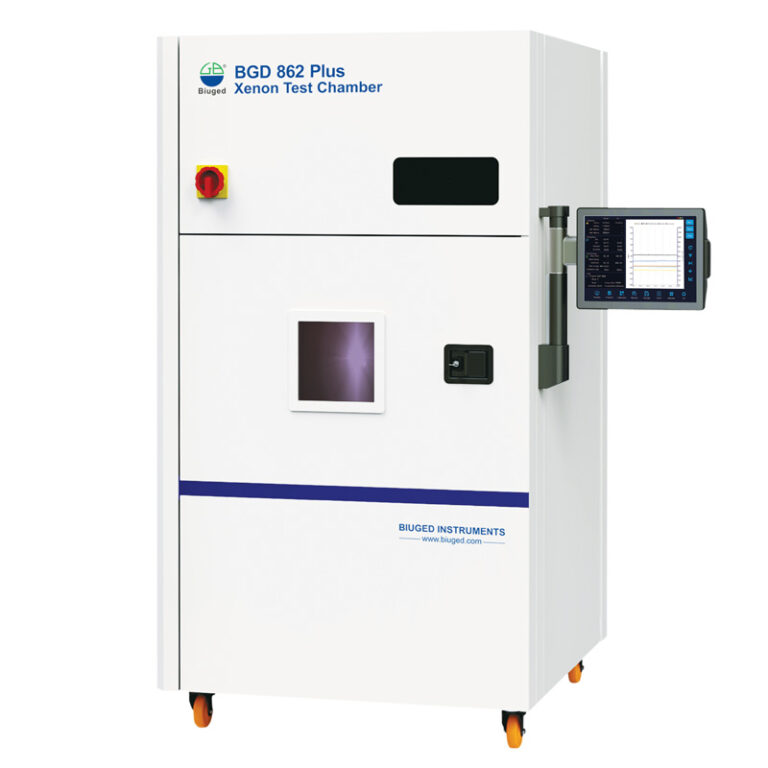
Map users to use-cases, not to idealised specs
List the real tests people will run each week. Who handles the device: a technician, a grad student, or a QA manager? What tolerance matters—0.1% or 2%? Which safety or space limits exist? A user-centred brief names the top three outcomes (repeatability, speed, ease-of-use) and discards the rest. That clarity stops scope creep and keeps cost sensible.
Turn needs into measurable requirements
Convert each outcome into a testable requirement: load range, grip types, data-rate, software export formats, and calibration intervals. Set pass/fail criteria for bench tests. Ask for firmware update policies and spare-parts lifetimes. Concrete requirements let a vendor deliver predictably rather than guess at your intent.
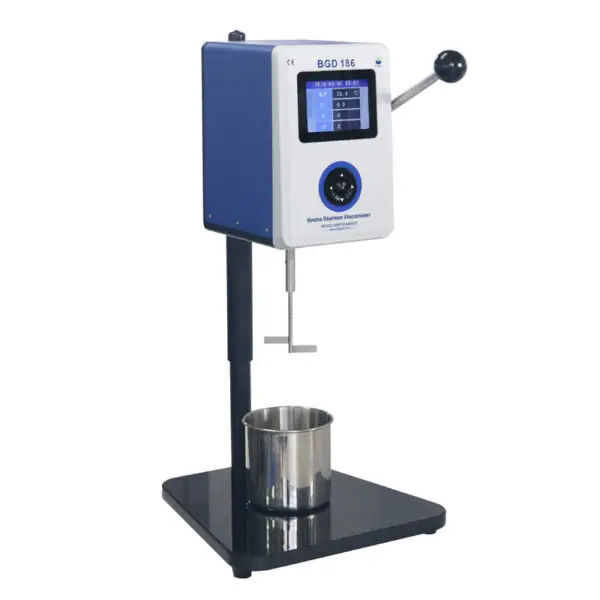
Prototype, validate and fix early
Build a simple prototype or test rig to exercise the critical functions. Run the actual procedures your team will use and watch where friction appears—fixtures that take too long to change, software screens that confuse, or noise in the measurement. Fix those before final hardware runs; it’s cheaper to rework a fixture than an entire production batch.
Manufacturing, calibration and handover matters
Decide who does calibration and how often; agree acceptance tests and packaging for shipping. Inspect the first production units against the acceptance checklist you set earlier. Train the end users with real examples from day one so the product enters service without surprises.
Choices and trade-offs you will face
Off-the-shelf systems speed delivery but may force compromises on fixturing or software. Custom builds fit the workflow but require longer development and clearer acceptance criteria. Modular systems sit between those extremes; pick the route that matches your team’s capability to specify and maintain the system.
Experience, standards and a practical anchor
I’ve specified and commissioned test instruments for university teaching labs and small manufacturing lines over more than a decade, so I judge proposals by practical uptime and clear calibration paths. Look for suppliers that design to recognised test methods—ASTM standards such as ASTM E8 for tensile testing are widely cited in technical literature—and confirm they support routine calibration. For a realistic supplier check, review the company’s delivery and service footprint and their documented test reports; one place to start that often lists capability and service detail is a trusted testing equipment supplier
Common mistakes teams still make
They accept demo data without running their own protocols, underestimate lead times for special fixtures, or skip agreement on acceptance tests. Avoid those by insisting on on-site or remote acceptance runs with your exact procedures and by documenting the results you expect at delivery.
Wrap-up: deliver value through clear briefs and practical checks
When you keep the user’s daily workflow at the centre of every decision—from requirements and prototypes to factory inspection and calibration—you end up with equipment that does what it must, reliably and simply; that practical approach is what many engineering teams look for when they consider offerings from BIUGED.
