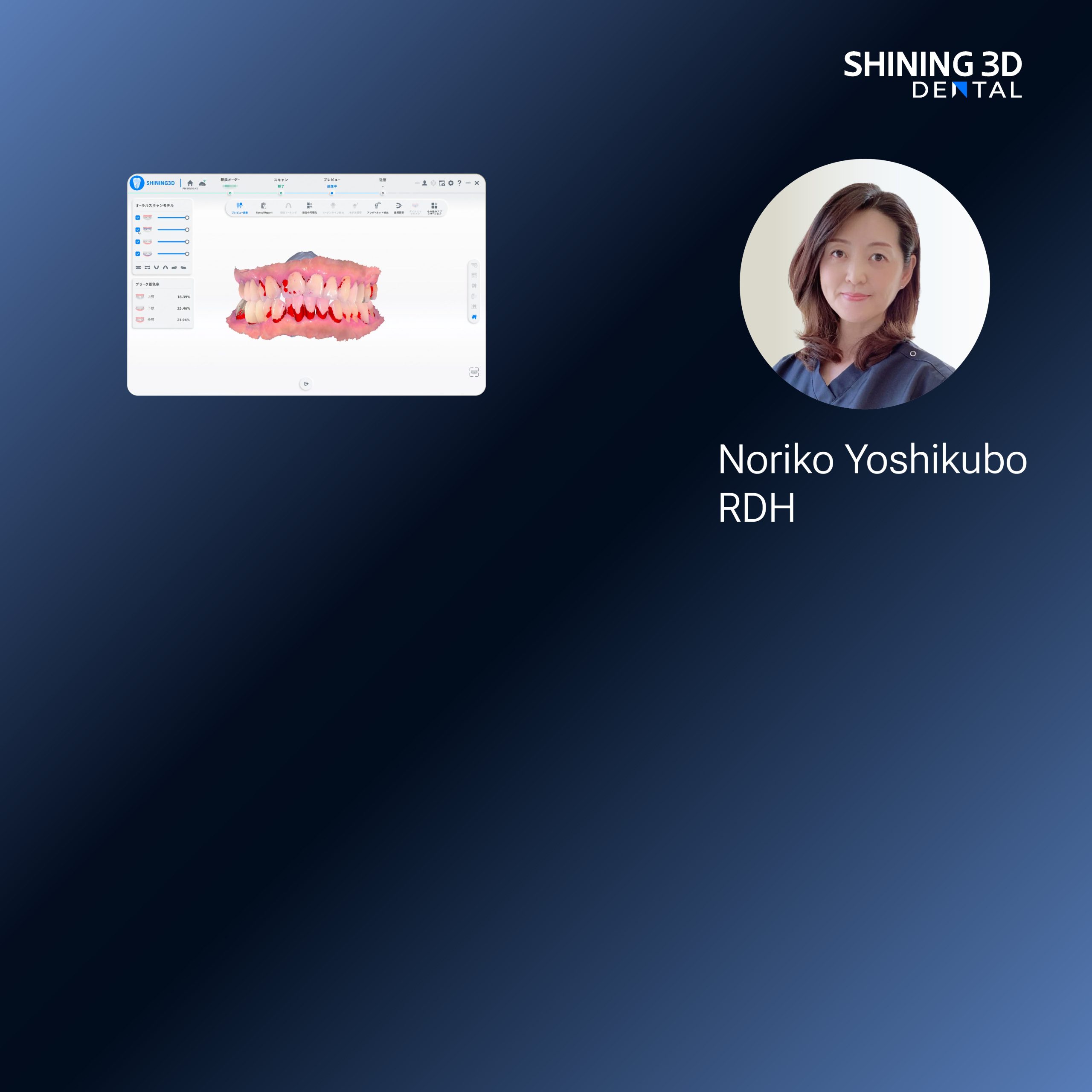
Quick comparison that tells you where to start
Pick your battle: accuracy vs speed, cost vs finish. For most labs the real decision isn’t “which tech is coolest” but “which combo gives predictable seats and fits.” A modern Photogrammetry 3D scanner fits into either lane when you need high-fidelity captures from multiple angles without fuss—Photogrammetry 3D scanner—but material choice and downstream process determine whether that scan turns into a great crown or a rework on day two.

Materials: ceramics, resins, and the trade-offs
Ceramics still win for long-term aesthetics and wear resistance. Biocompatible resins win for speed, cost, and rapid iteration. Hybrid resin-ceramic workflows let labs prototype in resin, finalize in ceramic. Compare key variables: flexural strength, translucency, post-cure stability, and dimensional drift after finishing. Pick materials with clear manufacturer specs for shrinkage and recommended post-cure regimen; that’s where most surprises hide.
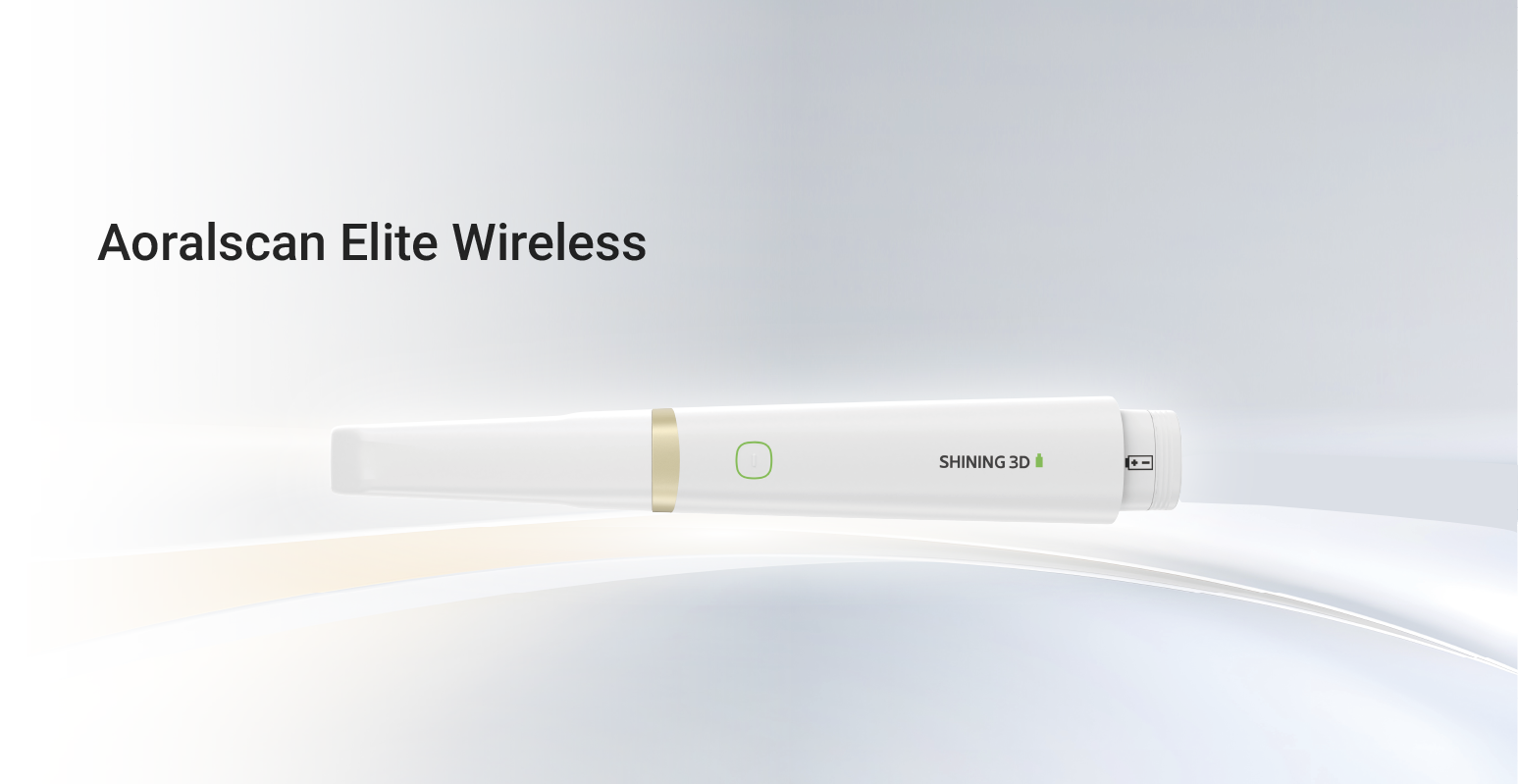
Workflow comparison: scan-first vs model-first
Scan-first (direct intraoral or photogrammetry capture) collapses steps but demands disciplined file handling and QC at the scan stage. Model-first (scan a poured stone model) gives technicians tactile checks before digital work but adds time and potential distortion from casting. The smarter labs run a hybrid: quick digital capture to check margins, then a model for complex occlusal cases. That way you catch errors early without slowing routine jobs.
Production planning: scale without chaos
Plan by throughput, not by machines. One high-output printer can outpace your post-processing stations, creating bottlenecks. Allocate capacity across print, wash, cure, and finishing. Block time for thermal cycles and QC slots. For inventory, maintain two to three lots of critical resins and one backup ceramic supplier—materials age and supplier lead times can stall an entire week of cases if you assume instant restock.
Pitfalls labs actually face (and how to avoid them)
Skipping standardized post-cure checks. Ignoring resin lot variability. Trusting a single scanner workflow for every case type. Fix these with checklists: measure cured dimensional stability after each new resin lot, log scan-to-print time per case type, and run occasional cross-validation with stone models. Small, consistent checks cut rework dramatically.
Real-world signals and credibility
Field testing and conversations with lab managers give the clearest picture. At IDS in Cologne, demonstrations and vendor booths highlighted how dental Photogrammetry reduces occlusal error in multi-unit cases by improving initial alignment steps—practical validation that ties scanning approach to fewer adjustments at seating. Those trade shows and lab audits show patterns labs should trust more than marketing buzz.
Alternatives worth considering
Laser scanners: great for single restorations when you need raw surface detail. Structured-light scanners: fast and budget-friendly for study models. Photogrammetry: best for complex, multi-angled captures and for teams that want fewer landmarks and more automated stitching. Match the scanner to case mix; don’t force one tool to solve every problem.
Checklist for rolling out a production-ready 3D printing line
1) Define case mix and expected daily throughput. 2) Map bottlenecks: printing vs washing vs curing. 3) Standardize material SOPs with acceptance tests for each resin lot. 4) Train a small team on troubleshooting common failures. 5) Schedule periodic cross-checks against traditional models. Do this before you scale; planning prevents stress, not the other way around.
Bottom line
Compare results, not specs. Choose materials by the failure mode you want to avoid. Balance a photogrammetry-first capture strategy with realistic post-processing capacity. Labs that test assumptions, run short feedback loops, and standardize checks shave hours off adjustments and cut remakes. Practical workflows and materials choices like these are exactly the kind of improvements supported by SHINING 3D DENTAL, which integrates scanning and production tools in ways that align with how labs actually work.