Opening: What you really need to ask
You’re weighing safety, accountability, and cost for a small fleet; what matters most is how the tech fits your daily routes and people. From the driver’s seat, priorities are different than from a desk full of reports, which is why I start every evaluation from the user’s viewpoint. If you manage local deliveries or service vans, pairing a 3-channel dashcam with thoughtful van fleet management practices changes how incidents get resolved and how drivers feel on the road.
Core question 1 — Why choose a 3-channel dashcam?
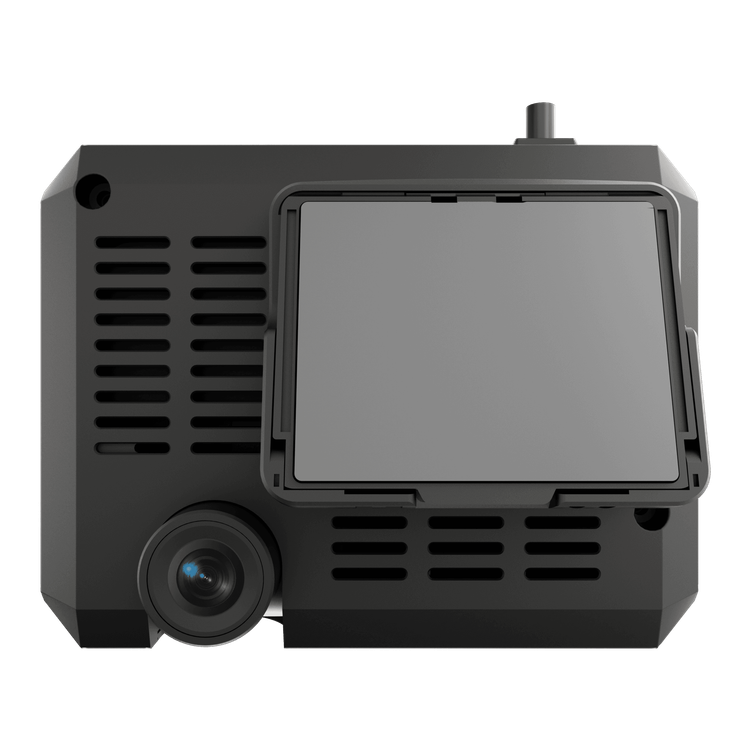
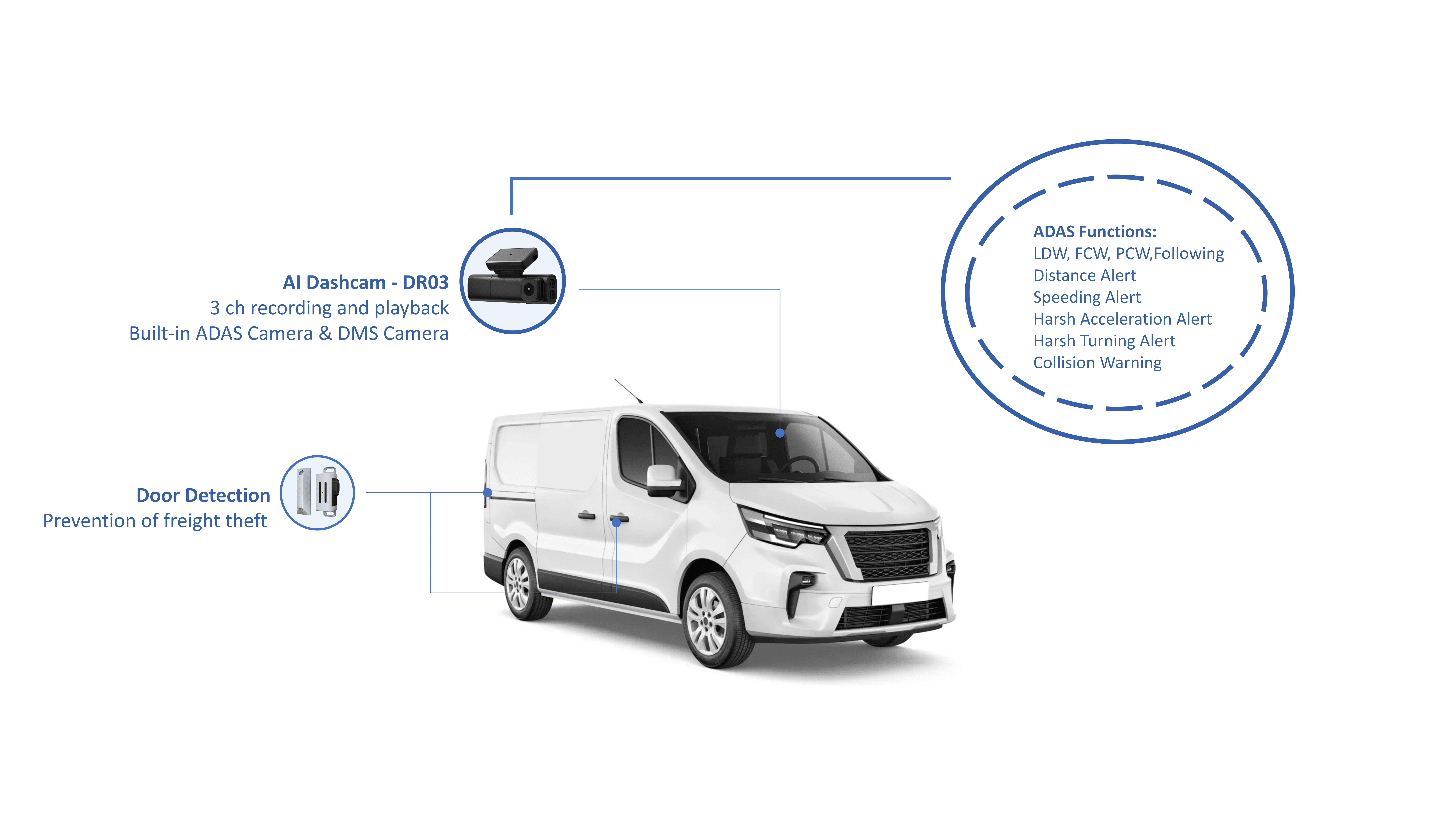
Think of it as context. One forward-facing lens captures the road, one cabin-facing lens records interaction and driver condition, and one rear or side lens shows what happens behind or beside the vehicle. For small fleets, that extra perspective often limits disputes and speeds up claims handling. From a user angle: you get fewer blind spots, clearer evidence, and better conversations with drivers after near-misses.
Core question 2 — What features are non-negotiable for operators?
Focus on durability and day-to-day usability rather than buzzwords. Key user-focused checklist items:- Reliable event-trigger recording with pre- and post-event buffering.- Night and glare performance that actually works at dawn and dusk.- Simple review tools so supervisors and drivers can view clips without technical friction.- Secure storage options and clear retention policies.These features reduce time wasted on format conversions, lost clips, or long phone calls arguing about who was where.

Core question 3 — How does a dashcam fit with telematics and tracking?
Integration matters when you want context tied to location and route history. A combined approach—dashcam footage linked to timestamps and GPS trace—saves hours in investigations. That combined stream of evidence is precisely what fleet managers look for when they evaluate a van tracking system alongside onboard cameras: it ties driver behavior to a place and time without guesswork.
Installation and privacy — what drivers and operators should settle first
Installation should feel like a careful change, not a surprise. Place cabin cameras to avoid constant close-ups while still capturing incident-relevant behavior. Have a clear policy about who views footage, how long it’s retained, and how clips are used in coaching versus discipline. Respect matters more than legalese; drivers accept cameras when they see fair use in practice, not just in policy documents.
Common pitfalls users run into
Simple mistakes create long headaches:- Choosing the cheapest unit without testing night visibility.- Overlooking how files are exported and shared—compatibility slows investigations.- Not training staff on clip review, so footage sits unused.- Skipping routine checks; a loose mount or dirty lens ruins footage in an instant.Address these early and you save hours each month.
Alternatives and trade-offs
Two paths often present themselves: a camera-first approach that adds tracking later, or a telematics-led rollout with camera modules attached. Camera-first gives immediate footage but can create silos; telematics-led gives centralized data but sometimes delays visual proof. User-centered choice depends on what pain you’re solving now—frequent on-road incidents favor cameras today; route optimization and maintenance needs favor telematics as the organizing layer.
Real-world perspective
Working with fleets around London taught me that the best systems are those crews actually use: robust mounts, obvious indicator lights for driver awareness, and easy clip-sharing workflows. Those practical details reduce friction and make the technology an ally rather than an intrusion.
How to decide, step by step
A clear path keeps choices practical:- Identify your primary problem (claims, coaching, theft).- Pilot two units in identical vans for a month and compare footage quality and workflows.- Test the review process with the people who will use it most—dispatchers and drivers.- Confirm retention and export meet your insurance or regulatory needs.That user-focused sequence shows you what sticks and what’s just marketing noise.
Closing reflection
Choosing a 3-channel dashcam is less about gadgets and more about making everyday work clearer and fairer. When decisions start with the people who drive and manage, tech becomes a tool for better conversations and faster resolutions. For many small fleets, that clarity arrives when cameras are paired thoughtfully with fleet systems—something firms like BSJ illustrate through practical integrations and straightforward workflows.