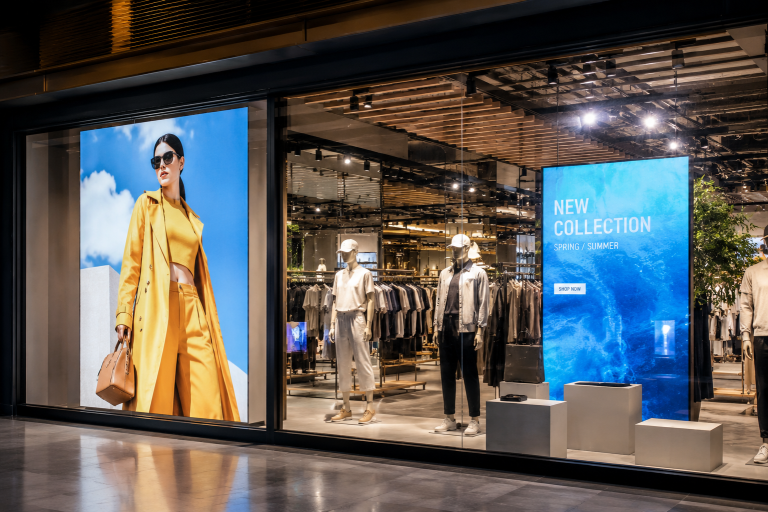
User-Centric Lead: What the Screen Must Do for You
The priority for any venue is clear sightlines, reliable color, and easy control—this guide focuses on those user needs. Start by picturing the light: a soft, saturated wash that reads from the back row and the balcony alike. For that effect, a flexible led screen with appropriate pixel pitch delivers both texture and scale. This piece uses a descriptive, sensory voice to guide you through choices that matter to operators, designers, and technicians who live with the display every day.
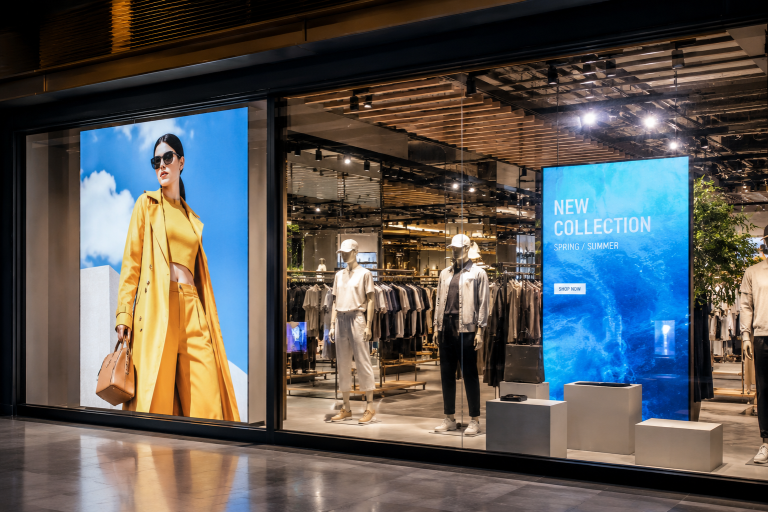
Key Specs That Affect Live Experience
Begin with pixel pitch: tighter pitch brings fine graphics and text legibility; wider pitch suits bold imagery at long range. Match refresh rate to your camera workflow to avoid flicker during recording. Brightness and contrast determine how the content sits against stage lights—higher cd/m² for outdoor-facing screens, moderated values for darker auditoriums. Keep the cabinet and module build in mind: lightweight cabinets speed rigging, while front-service access slashes maintenance time. These are concrete trade-offs tied to real use, not just data points.
Installation and Calibration: The Sensory Details
Installation is tactile work. Panels click together, seams line up, and then the room changes—the glow bathes the floor and the performers. Calibration tunes color temperature and gamma so skin tones look natural under tungsten or LED fixtures. Use a colorimeter and LUT-based calibration rather than eyeballing; the difference is subtle at first and decisive on broadcast. Also account for viewing angle: wide angles retain color and contrast across an audience. Plan for service access and cabling paths before you raise the first truss.
Common Mistakes and How to Avoid Them
Teams often pick the brightest, cheapest module and regret it when text blurs or power loads spike. Another frequent error is undersizing the screen relative to sightlines—people in the back mustn’t strain. Networked control systems are great, but avoid overly complex topologies if staffing is lean. Pre-built control templates save time, yet allow for manual overrides during events. Small investments in calibration and training pay back fast in audience satisfaction.
Real-World Anchor: Lessons from Iconic Installations
Times Square and major stadium installations show the payoff of thoughtful choices: consistent pixel pitch across modules, strict color calibration routines, and redundancy in power and data paths. These sites teach a practical lesson—plan for continuous operation and human error. EEAT mode here is experience-first: this guidance reflects hands-on installs and manufacturer practices, grounded in what large-scale venues demand.
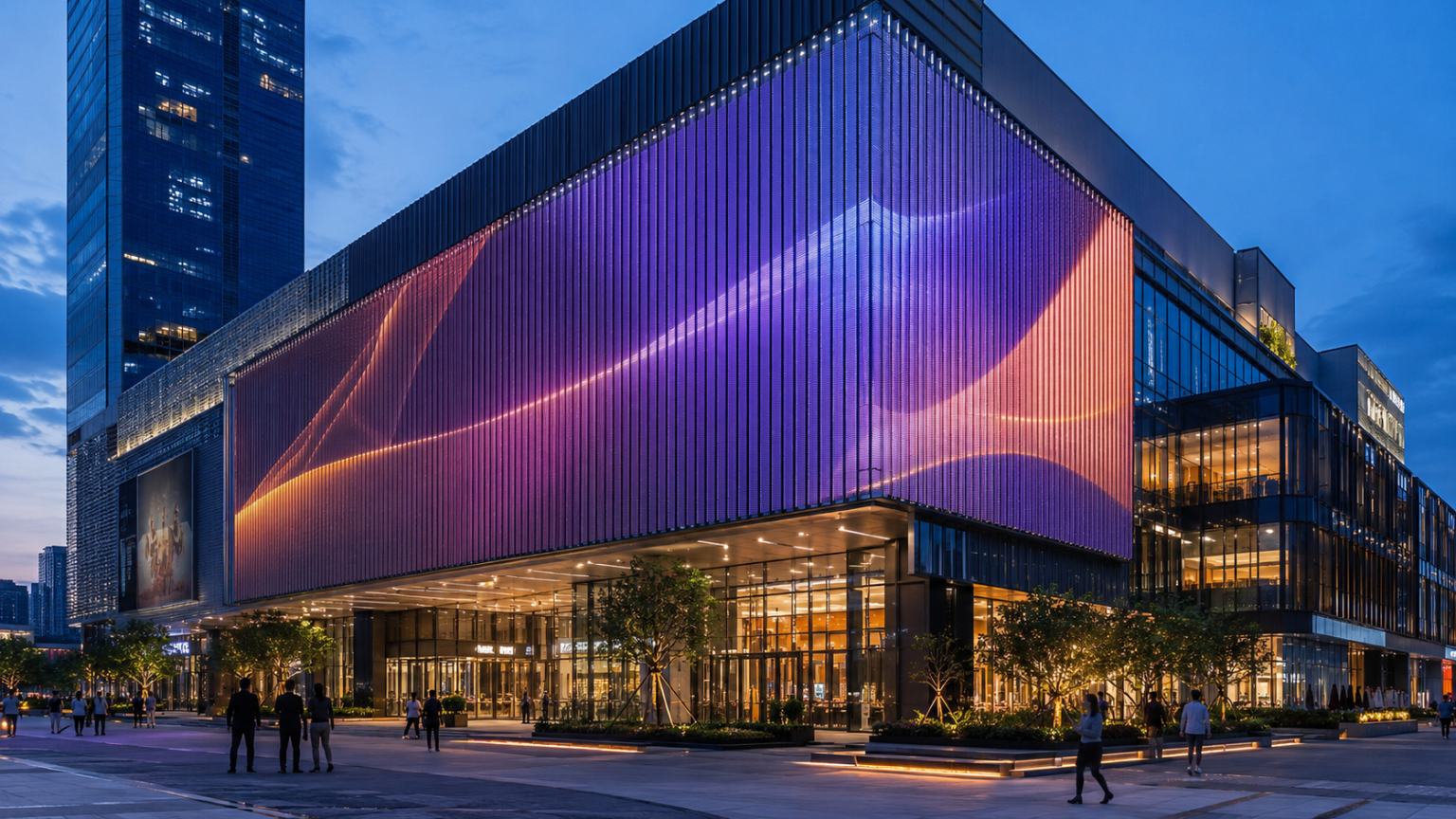
Choosing a Supplier and Comparing Alternatives
When you evaluate options, prioritize transparent specs and on-site support. A reliable led screen manufacturer will share full module drawings, power consumption per cabinet, and maintenance procedures. Compare warranty terms, spares availability, and firmware update policies. Consider alternatives like projection with rear-gain screens for softer looks, or LED curtains for quick installs. Each approach trades off resolution, contrast, and setup complexity—choose by how you operate, not by what looks best in a catalog.
– A small aside: crew comfort matters. When panels are intuitive to rig, the event runs smoother.
Advisory Close: Three Golden Rules for Selection
Rule 1 — Match pixel pitch to the typical viewing distance; measure seating and multiply to get a practical threshold. Rule 2 — Require published power and thermal specs, then add 20% headroom for peak loads and lamp heat. Rule 3 — Demand a clear service plan: on-site spares, firmware rollback options, and documented calibration procedures. These three metrics—spatial resolution, electrical margin, and serviceability—are non-negotiable for dependable performance.
Final thought: the right flexible LED setup becomes invisible when it works, and unmistakable when it doesn’t—trust practical testing, insist on clear specs, and let operators choose what they can service. Coblinks. –