Comparative frame: why this matters now
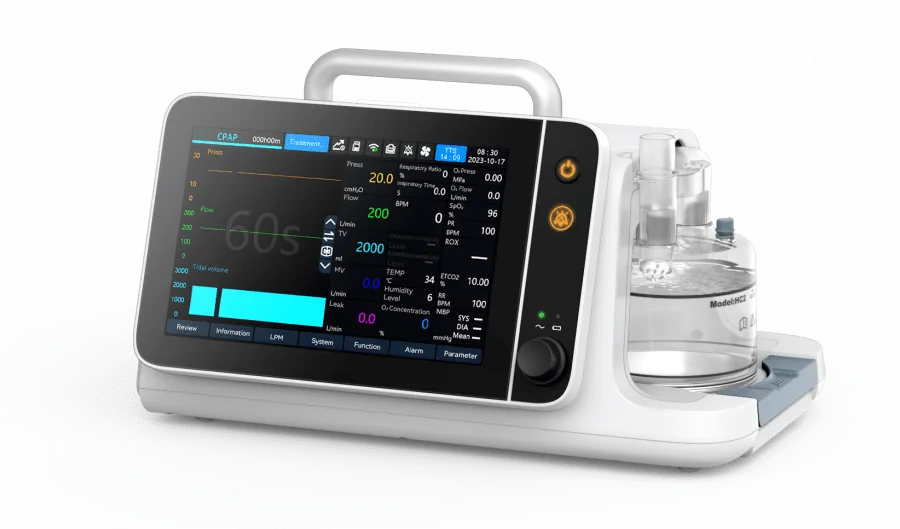
The future of acute respiratory support will be judged by machines that balance subtlety with strength—devices that deliver tailored non-invasive ventilation without sacrificing responsiveness. In hospitals and step-down units, the line between steady recovery and complication often runs through the choice of a medical ventilator or non-invasive support system. Comparing BiPAP platforms side-by-side reveals differences most clinicians feel but few can quantify: waveform fidelity, trigger sensitivity, and the architecture behind pressure support and PEEP control.
Side-by-side: core hardware and control differences
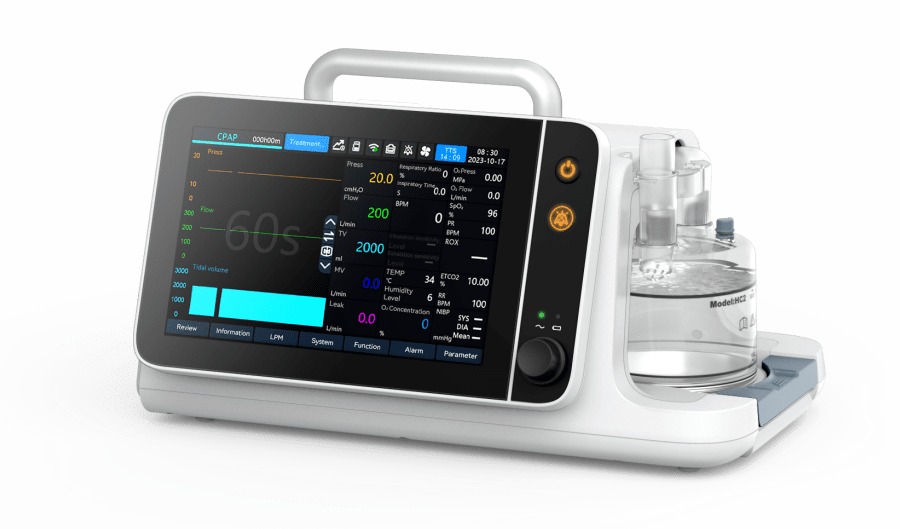
Look past glossy interfaces. The meaningful contrasts live in sensors and control loops. One unit may advertise dual-limb circuits; another refines flow trigger algorithms to reduce asynchrony. In practical terms, that affects delivered tidal volume and patient comfort. For teams treating COPD exacerbations or acute cardiogenic pulmonary edema, BiPAP responsiveness determines whether a patient avoids intubation. Industry terms here include BiPAP, pressure support, and flow trigger—each a lever clinicians tune in real time.
Operational trade-offs clinicians must weigh
Durability versus adaptability. A rugged chassis that runs 24/7 suits field hospitals and surge units, but algorithms matter where subtle patient effort exists. Some models prioritize automated leak compensation—helpful with mask-based NIV—while others lean on clinician-driven settings that give fine-grain control. During the spring 2020 surge in Lombardy, clinicians learned that machines with robust leak management and clear alarm hierarchies reduced unnecessary escalations and saved staff time; that real-world pressure shaped procurement decisions worldwide.
When BiPAP beats alternatives — and when it doesn’t
BiPAP shines when you need graded inspiratory assistance with preserved spontaneous breathing. Compare that to CPAP, which stabilizes airways but offers no dedicated pressure support. If a patient shows rising work of breathing despite optimized BiPAP, the escalation is to invasive ventilation—but choosing the right BiPAP first can avert that step. Consider a niv respiratory machine for true non-invasive agility when mask fit and leak control are priorities; otherwise, a full invasive ventilator may be the safer path for severe ARDS.
Common mistakes in procurement and bedside use
Teams often buy for headline specs—peak inspiratory pressure—without vetting real-world behavior. Failing to validate alarm logic against local protocols risks alarm fatigue. Training gaps matter: circuits, humidification choices, and interface selection are operational details that change outcomes. —A short in-service on flow-trigger adjustment and leak compensation can cut asynchrony markedly.
Alternatives and ecosystem fit
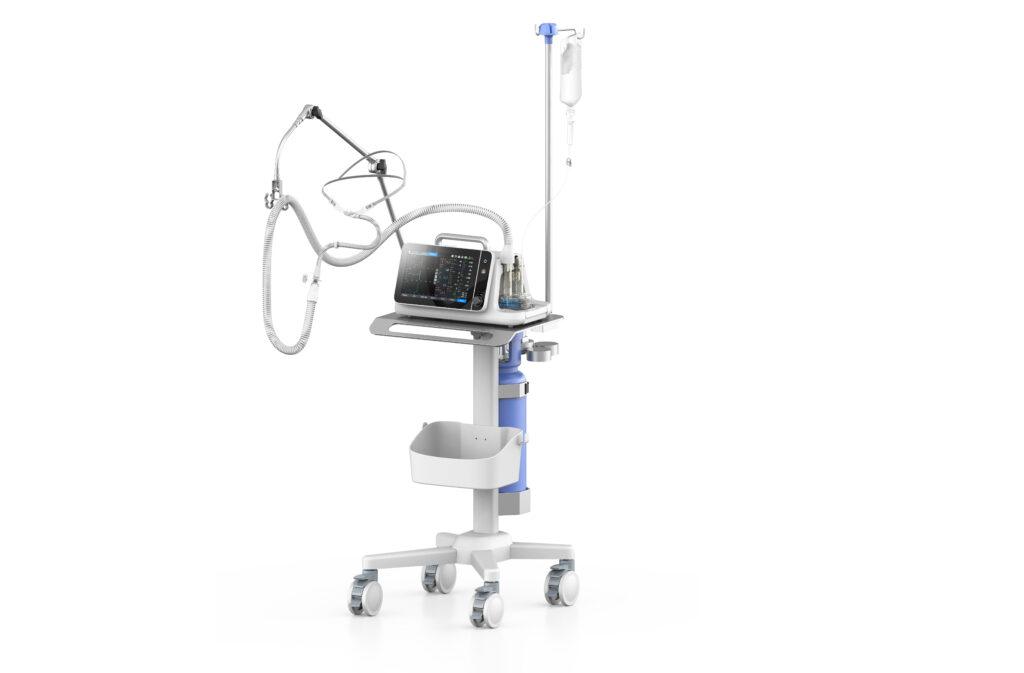
Evaluate the platform, not just the box. Cloud-enabled monitoring, remote software updates, and interoperable data exports influence total cost of ownership and clinical workflow. Some vendors bundle closed-loop modes; others offer modular add-ons like heated humidification. Compare across three axes: clinical efficacy (measured as failed NIV rate), usability (setup time, alarm clarity), and system integration (EMR compatibility, telemetry).
Advisory: three critical evaluation metrics
1) Clinical Responsiveness — Measure how well the device maintains target tidal volume and reduces patient-ventilator asynchrony under common leak conditions. 2) Real-World Reliability — Verify continuous uptime during extended runs and inspect alarm behavior against local protocols. 3) Workflow Compatibility — Confirm EMR logging, remote monitoring, and ease of mask/interface swaps for shift turnover.
Choosing the right device is not about brand loyalty; it’s about matching device behavior to clinical goals and unit realities. This is where thoughtful comparison and measured evaluation turn procurement into better bedside care. Byond. —forward motion.