Introduction: The Meeting Starts… and Stalls
You walk into a boardroom, coffee in hand, and the first five minutes vanish into mic checks and phantom echoes. The wireless conference system was supposed to make it easier, not noisier. Recent field audits suggest that a surprising chunk of meeting time—often well over a quarter—gets lost to setup delays, dropouts, and user confusion. That’s time you never get back, and morale dips with every “Can you hear me now?” So here’s the question: are we using the right kind of wireless stack, or just repeating old mistakes with newer gear (it happens)? We can measure latency, optimize DSP, and tweak gain staging, but the real gap might be baked into how we think about the whole chain—from protocol choice to room behavior. — funny how that works, right?
Let’s map the hidden friction first, then weigh what’s truly different in next‑gen approaches.
Hidden Friction in Everyday Gear: Where the Glitches Actually Start
Why do legacy setups still stumble?
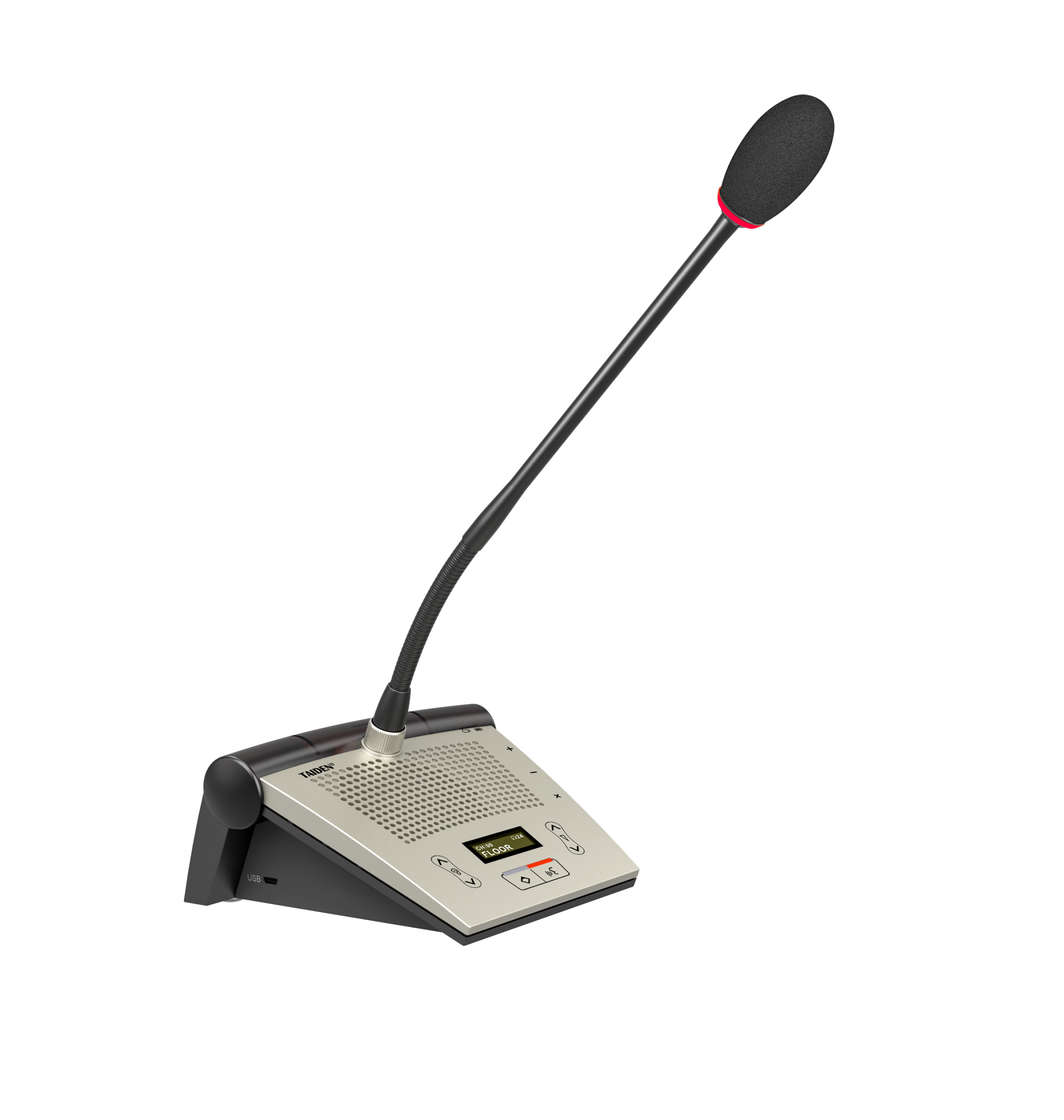
Most teams pick wireless meeting equipment like they pick a laptop: fast, sleek, done. But audio paths aren’t laptops. The RF front-end, codec choice, and DSP pipeline must share a tight latency budget while maintaining speech clarity. Many “good enough” systems lean on congested 2.4/5 GHz channels, where QoS policies fight with building Wi‑Fi. That’s when you hear comb-filtering, clipping, or jitter—tiny timing slips that add up. Add encryption overhead (say AES-128) and retry bursts, and your round-trip timing balloons. Look, it’s simpler than you think: if the transport isn’t deterministic, the talker-to-listener path will sometimes wobble. Users blame the mic. The root cause is usually the network layer, not the capsule.
Then there’s power. Handhelds and goosenecks juggle batteries, power converters, and charging docks. If the cells sag or charge unevenly, the RF envelope weakens and range shrinks. Edge computing nodes can smooth traffic, but only if the system is designed for it—many aren’t. Channel plans get set and forgotten; meanwhile, new APs arrive next door and stomp on your spectrum. Firmware fixes help, but they can’t turn a best-effort network into a guaranteed pipe. Finally, the human layer: manual gain staging, mixed brands, and ad‑hoc layouts create feedback risk. A lot of “wireless pain” is process debt in disguise—spreading across rooms until someone calls it “normal.”
Forward Look: Principles That Fix the Friction
What’s Next
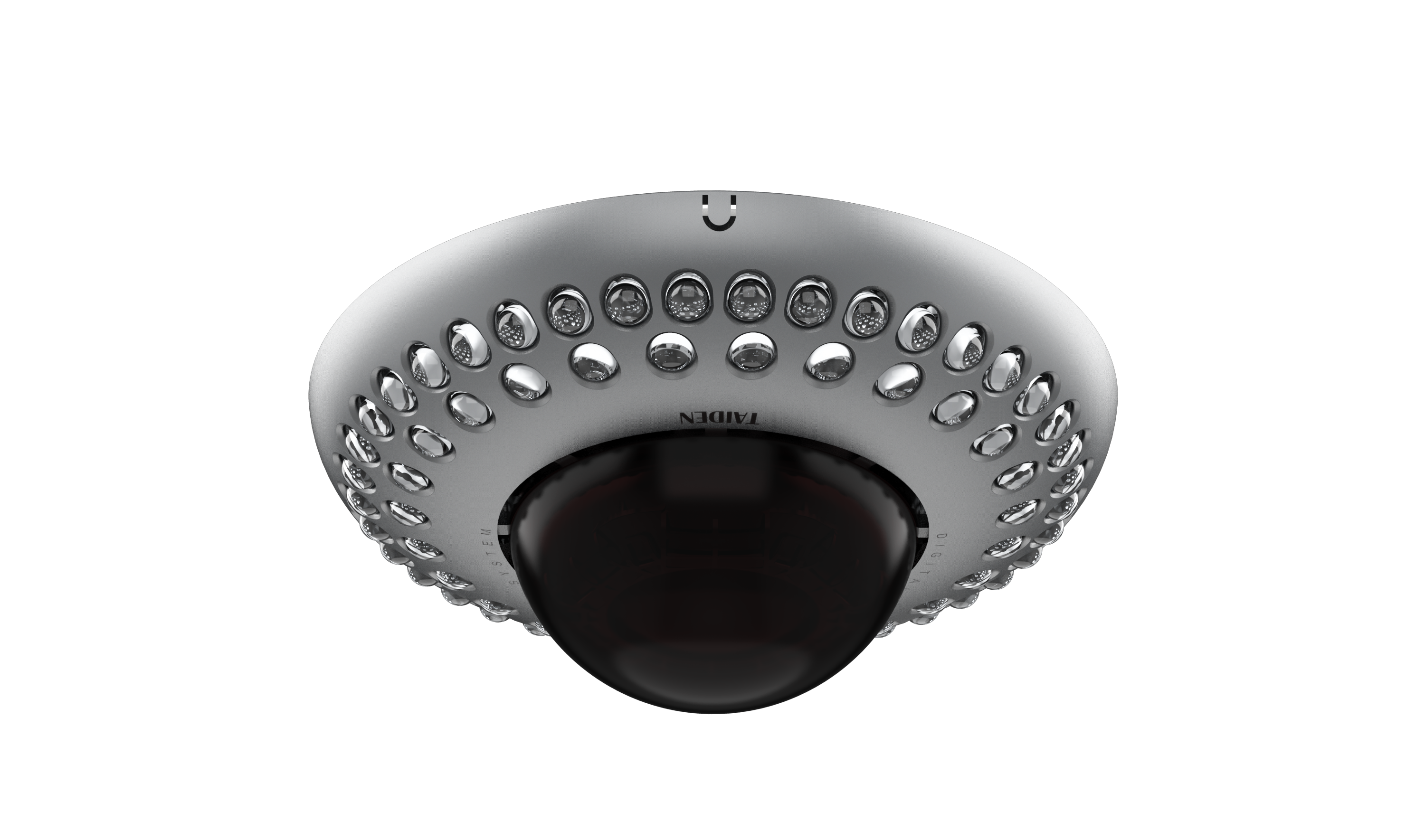
The fastest wins come from changing the transport and the room logic, not just the mic. Systems built on optical links—an IR wireless system—sidestep RF chaos by using line-of-sight light rather than crowded radio bands. That means no spectrum licensing, no Wi‑Fi collisions, and highly predictable latency. Pair that with auto-mixing DSP and beamforming that prioritizes the active talker, and you cut reverb and crosstalk at the source. With deterministic timing, your latency budget becomes a promise, not a hope. Error correction protects packets without constant retries; batteries report real health so range doesn’t drift in the afternoon. You get simpler channel planning (because there isn’t any in the radio sense) and clearer compliance boundaries for secure rooms—yep, less drama.
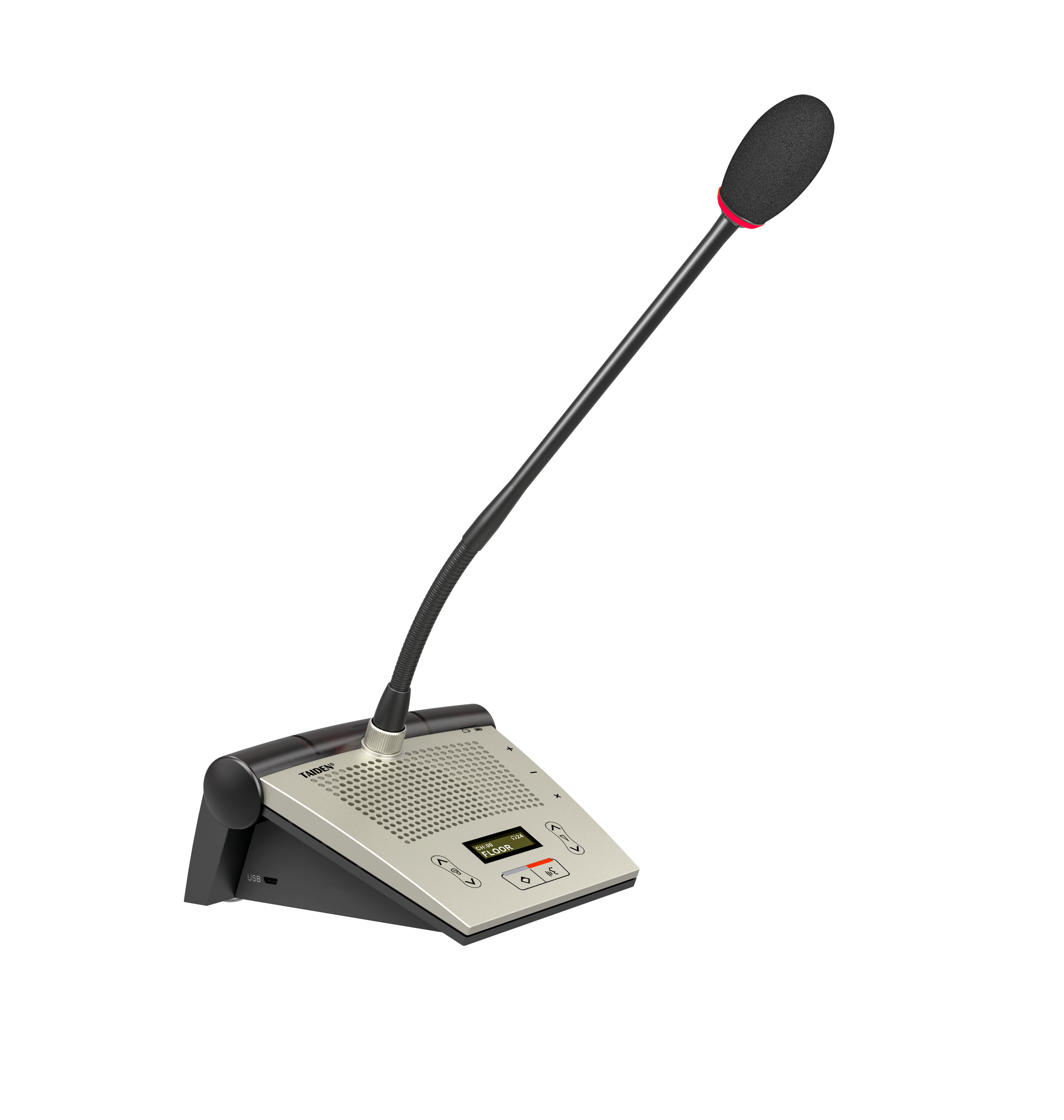
Pulling it together, here are three metrics to use when you evaluate the next round of wireless meeting equipment: 1) Deterministic latency under load—target sub‑20 ms end‑to‑end with stable jitter and proof via logs; 2) Isolation and privacy—verify channel containment (IR confers natural spill control) plus strong crypto and device authentication; 3) Power strategy—measured talk time with reserve at peak speech density, smart charging, and real battery health reporting. If your shortlist nails those, most of the “hidden” problems fade, because the transport, DSP, and power layers align with how meetings actually run. That shift—from best‑effort RF to predictable delivery—translates into fewer interruptions and cleaner notes, which is what people really remember at 5 p.m. For deeper specs and platform examples across both RF and optical stacks, see TAIDEN.