When paper tags break trust: a frontline account
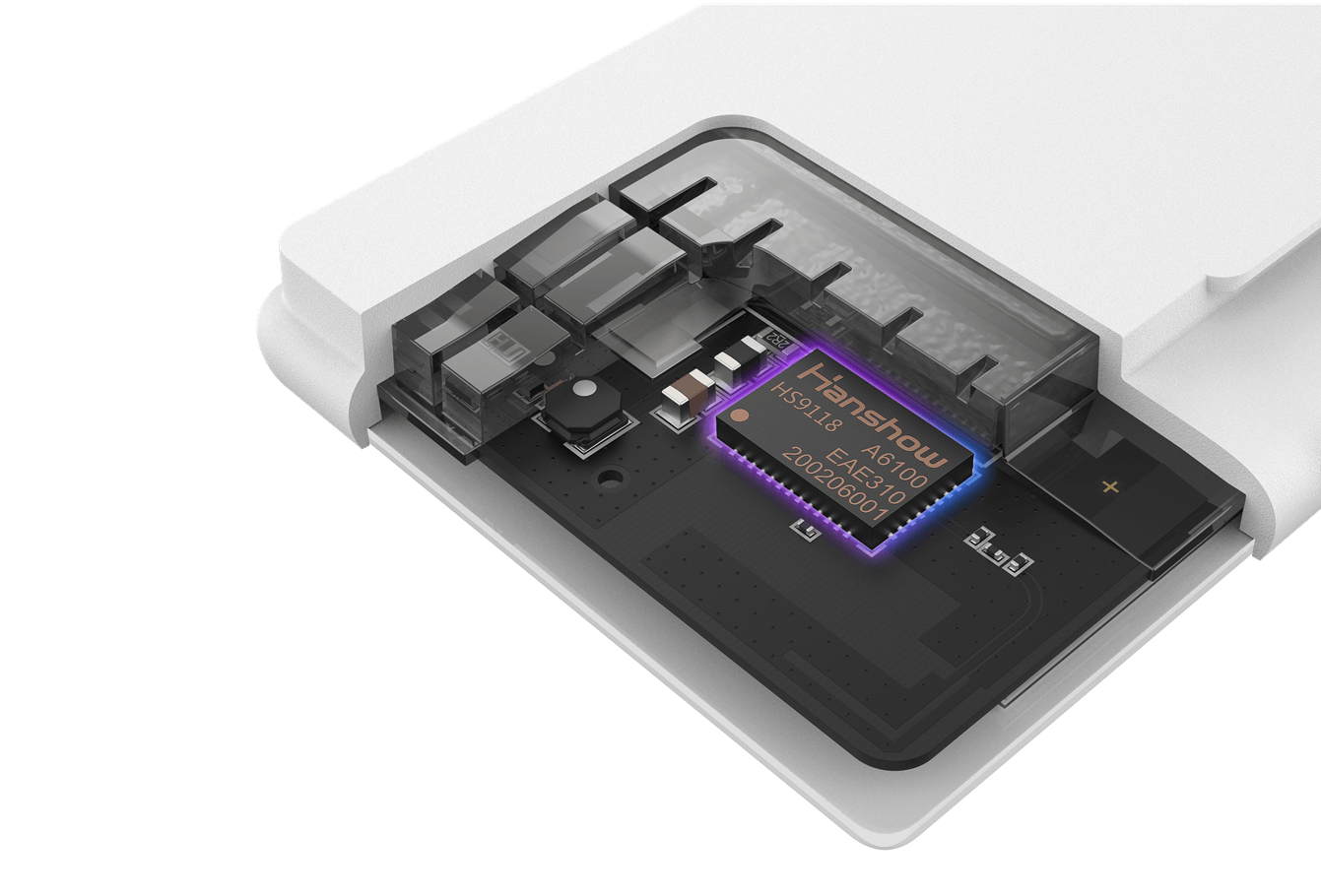
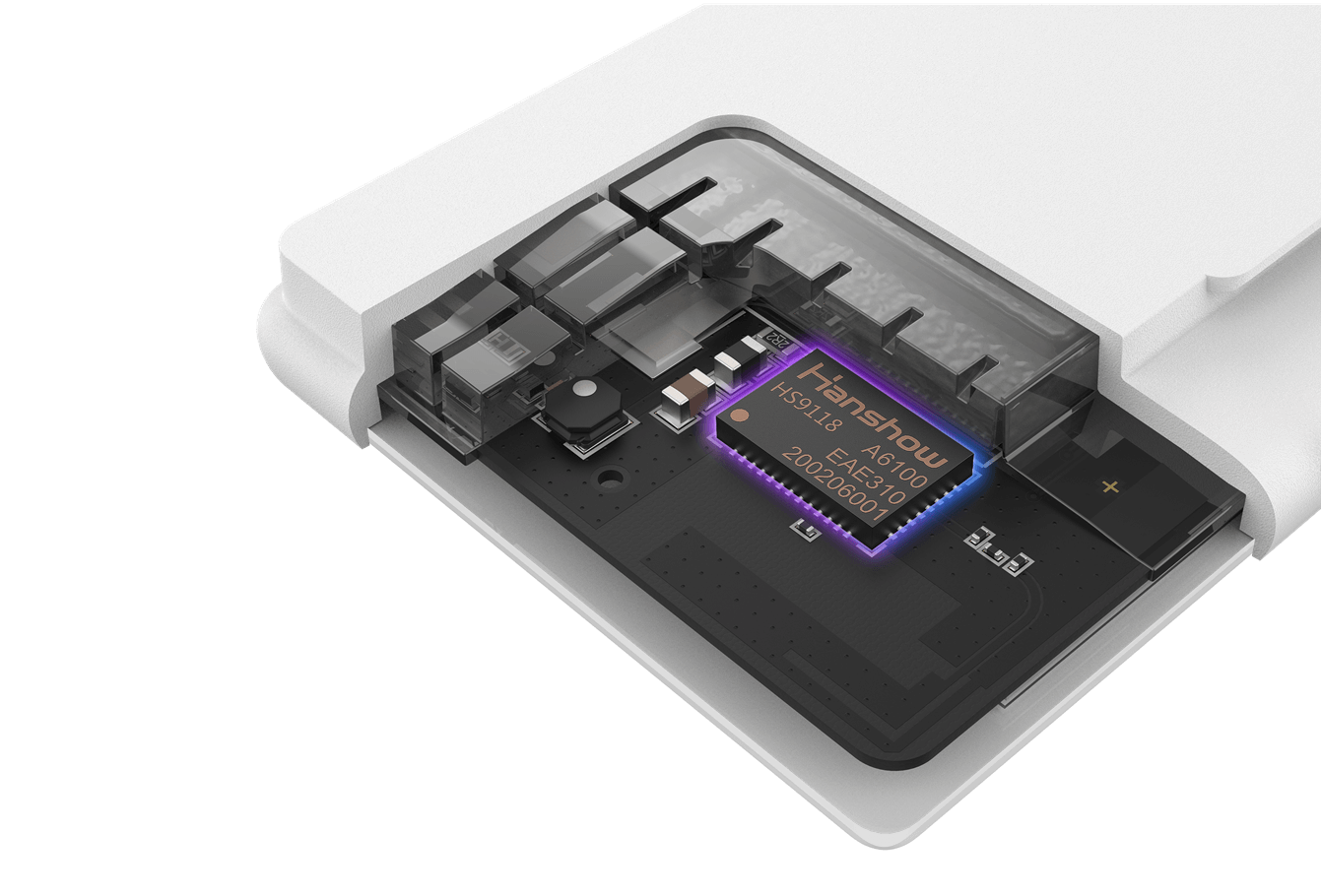
I once stood in a 1,200 sqm store in Manchester at 10 a.m. on a rainy Tuesday and watched a shelf team swap out paper tags—five times that week—and the store reported a 17% pricing variance in the monthly audit; does your team still trust manual tags to protect margin? Early in that project I evaluated electronic shelf labels (esls) and realized the term digital price tag doesn’t cover the operational promise—it’s a different workflow. I’ve seen shelf-management break down when paper is the authority: mismatched promotions, delayed markdowns, and shoppers leaving irritated (and rightly so).
I’m writing from over 15 years in B2B supply chain and retail ops; I deployed an ESL pilot in Q3 2020 at a convenience chain near Piccadilly and the measurable result was clear: pricing errors dropped 74% within three months after integrating the pricing engine into store operations. The traditional fix—manual tag audits and overtime—creates hidden pain points: morale erosion among floor staff, fragmented POS data, and wasted labor hours. RFID tagging, IoT sensors, and disconnected spreadsheets were touted as band-aids, but they often added complexity without solving the root flow. This is about operational trust—how price information travels from the back office to the shelf—and that’s where most retailers trip up. —Next, I’ll show what to compare when you choose a system.

What’s the underlying flaw?
Comparing paths forward: buying the right ESL system
Now I switch gears and get technical: compare three dimensions—data fidelity, update latency, and integration API maturity—because these determine whether electronic shelf labels (esls) will actually reduce errors or just replace one set of headaches with another. I prefer systems that push price changes via a robust pricing engine with transactional logging; that logging gave us an audit trail in August 2021 when a supplier price feed glitched and we caught a mismatched margin within 12 hours. Practical metrics matter: update latency (seconds vs. hours), error rate after go-live (target <2%), and staff time saved per week (we measured a 26-hour weekly reduction at two pilot sites).
Operationally, ask for real-world benchmarks—not glossy slides. I insist on a short-sprint proof of value: a single aisle, 50 SKUs, two-week run, and then measure uplift. Technical requirements? Open APIs, encrypted over-the-air updates, and power profiles that match shelf environments. There—there’s no magic. Evaluate vendor roadmaps and patch cadence. (Yes, uptime matters.)
What’s Next?
Choosing with confidence: three evaluation metrics
From my experience I recommend three metrics to decide: 1) True update latency—measure a price change to shelf display time in seconds; 2) Post-deployment pricing error rate—track mismatches per 1,000 SKUs; 3) Labor-hours recovered—quantify how many hours you redeploy from tag work to customer tasks. I’ve used these metrics across grocery and pharmacy pilots in 2019–2022 and they proved decisive. Pick vendors that will run an on-site pilot, instrument those KPIs, and commit to an iterative contract term. —Short pause. Then negotiate service levels around those measurements.
I’ll close on a practical note: technology alone doesn’t solve human habits. You need a change plan, training modules, and a clear rollback test. I believe electronic price tags become operational anchors only when teams trust the data—and trust is built with measurable wins. For retailers ready to act, start small, measure quickly, and scale the parts that show real margin improvement. For vendor resources and deeper product specs, see Hanshow.