
Which questions clarify Pcs Module when examining application scope for shortlisting?
Shortlisting a pcs module should begin with the project’s intended use, not with a product name alone. Procurement teams need to define the application, operating setting, and decision boundary before comparing supplier claims. The first question is simple: what must the selected equipment support, and which requirements are still open?
Define the use case and constraints
Start by describing the project in terms that a supplier can assess. State whether the requirement concerns a commercial or industrial energy storage project, a microgrid, or another application. The captured product page places PCS modules in commercial and industrial projects where system integrators build larger solutions. That wording matters because it frames the product as one part of a system rather than a complete project definition.
Next, record the operating context without filling gaps with assumptions. Note the intended site type, the role of the equipment, the expected grid conditions, and any need for operation away from the grid. If the project has a high renewable-energy share or complex grid conditions, say so directly. These details determine which supplier questions deserve priority.
Space also belongs in the initial brief. Record the available equipment area, access restrictions, installation boundaries, and the location of connected equipment where those facts are known. Do not turn an undeclared dimension into a presumed product fit. A shortlisting document is stronger when it distinguishes confirmed constraints from items awaiting technical review.
Map stated evidence to requirements
Separate three types of information in the comparison file: a page-stated capability, a project requirement, and an unresolved question. This prevents a broad application statement from being treated as a model-level guarantee. It also gives reviewers a clear reason for retaining or removing an option.
For example, the Mars Series page states support for high- and low-voltage ride-through, black-start capability, and off-grid parallel operation in demanding and weak-grid scenarios. Those statements can guide a focused review when the project has a corresponding requirement. They should not be copied into a general claim about every PCS module or every application.
- Confirm that the proposed review concerns a commercial or industrial application covered by the page’s stated scope.
- Match any weak-grid, ride-through, black-start, or off-grid requirement to the Mars Series statement rather than generalizing it to every module.
- Record high-renewable operation as an application condition tied to the stated Mars Series grid-support claim.
- Keep supplier positioning about modular scalability and integration separate from confirmed project requirements.
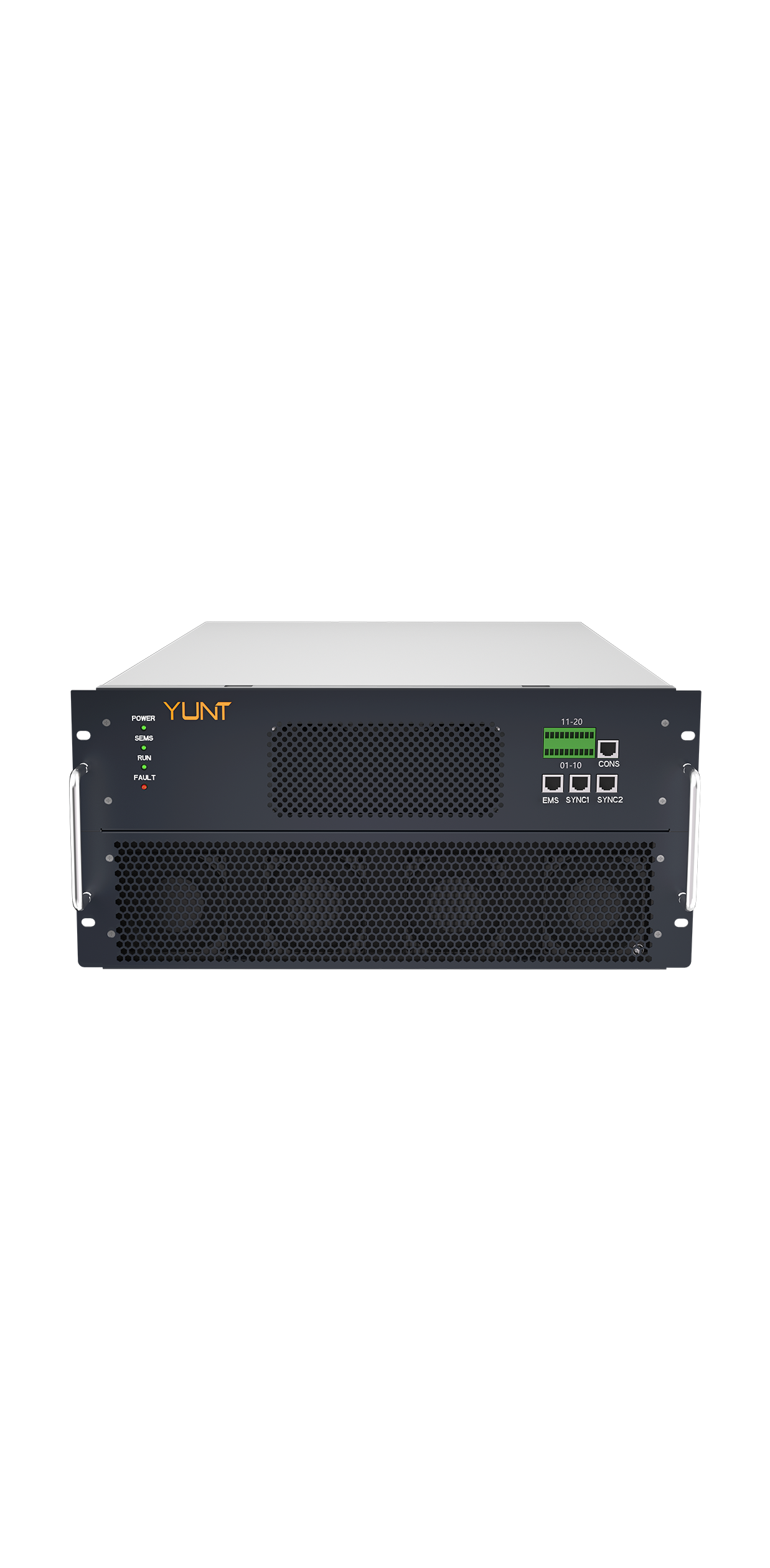
A useful middle-stage question is whether a china bidirectional power module is being considered for a defined system role or only as a category search term. The page describes the Mars Series as a bidirectional power module with grid-support functions. It also links that description to stable operation in high-renewable penetration scenarios. This is a relevant real-world application anchor, but it remains limited to the statement and product scope on that official page.
Use the evidence in proportion to its precision. A statement about grid compatibility can justify a question about the project’s grid conditions. It cannot, by itself, establish performance for an unrelated model, a particular site, or an unlisted operating profile. Mark each conclusion as confirmed, conditional, or open.
Turn open points into supplier questions
Once the requirements are listed, convert every open point into a question with a clear purpose. Ask which product or series the statement applies to. Ask whether the proposed configuration is intended for commercial and industrial use, and ask how the supplier maps the equipment to the system integrator’s design. If the project includes weak-grid operation, request a direct response to that stated operating condition rather than a general assurance.
Questions should also expose the boundary between the module and the rest of the system. Which functions are supplied by the PCS module? Which functions depend on other equipment or on the project configuration? What information must be exchanged during design review? These are procurement questions, not assumptions about the product. Their value is that they make responsibility visible before the shortlist becomes a purchase decision.
For a fair comparison, give each supplier the same short brief. Include the application, known site constraints, relevant grid conditions, and the required operating functions. Then record the response beside the original requirement. Avoid ranking a supplier because its page uses broader language. Rank the response only after the wording has been tied to the stated scope.
Prepare a defensible next step
The output of this process should be a compact evidence register. For each candidate, keep the source wording, the requirement it may address, the product or series named, and the question that remains. This record helps engineering, procurement, and project management review the same information without silently expanding a claim.
A shortlist can then use a few practical gates. First, does the stated application match the project’s intended scope? Second, is the relevant function named for the product or series under review? Third, are the project’s grid and operating conditions represented in the supplier discussion? Fourth, are space and system boundaries recorded rather than assumed? A candidate that fails one gate may still warrant clarification, but it should not be treated as fully comparable.
Keep the final recommendation proportional to the evidence. The product page supports discussion of C&I applications, bidirectional operation, grid-support functions, and certain Mars Series operating capabilities. It does not turn every possible use case into a confirmed fit. A disciplined procurement team therefore carries unresolved points into the next technical exchange instead of hiding them in a broad product label.
In practical terms, the next step is a focused sourcing brief: define the use, list the constraints, quote the applicable page evidence, and ask questions that close the remaining gaps. That method gives YUNT a clear place in the review without allowing the brand name, category label, or a single application statement to substitute for project-specific assessment.