How Should Buyers Approach Procurement and Coordination for Explosion‑Proof Junction Components?
Quick user-centred opening
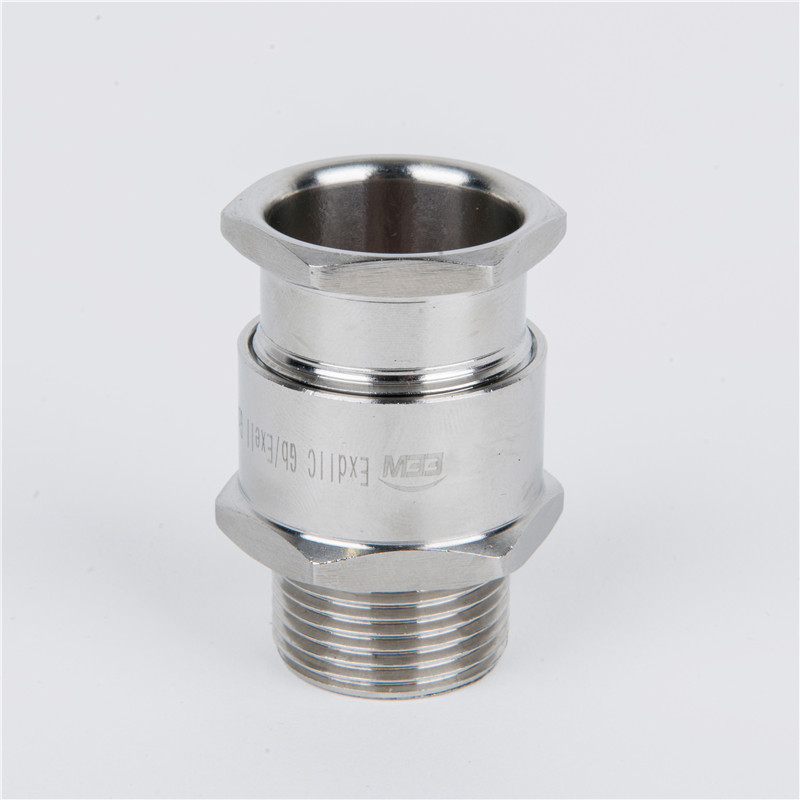
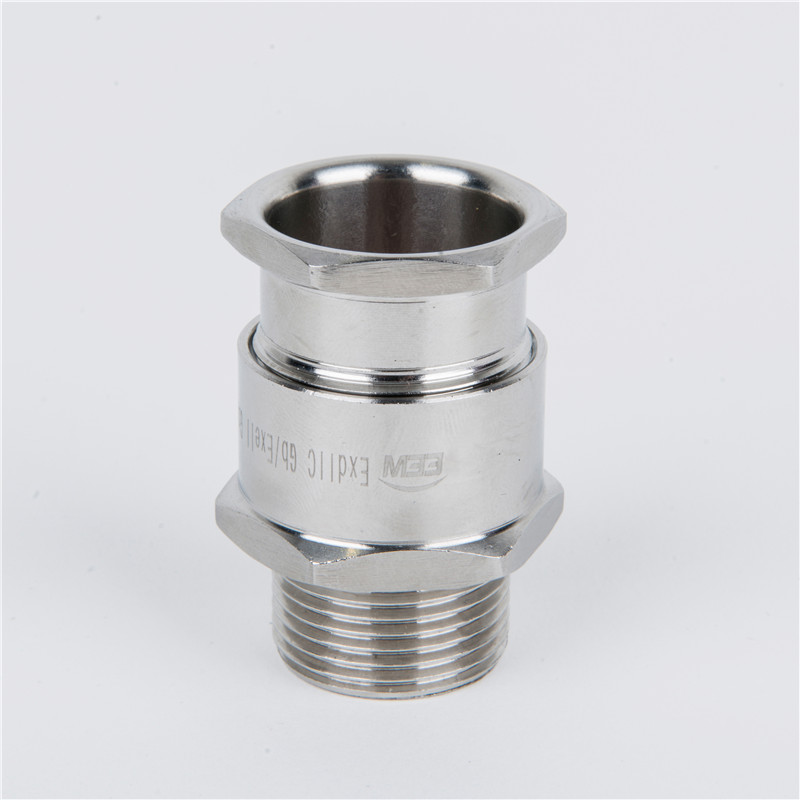
Buyers need clear questions before they sign a purchase order. Start by asking suppliers about lead times and delivery documentation for an explosion proof cable gland and about stock options for related items like ex cable glands. Keep the conversation practical: what will you receive on delivery, who verifies it, and which project contact will manage changes?
Who to involve and why it matters
Identify the roles that must be in the loop: procurement, project engineering, site management, and the supplier’s commercial contact. Each role asks different questions — procurement on price and lead time, project engineering on specifications to verify with their qualified engineer, site management on delivery access and scheduling. Name a single point of coordination so answers don’t get lost between teams.
Essential procurement questions to ask suppliers
Ask these buyer-focused questions and record the answers: what are typical lead times and minimum order quantities; what documentation accompanies shipments; who is the day-to-day contact for order changes; how are transport and handling arranged; what are payment and return terms; what spare-part options and long-term availability assurances exist. Frame each as a query for the supplier to confirm, not as a technical specification to be resolved in purchase paperwork.
Documentation and traceability buyers should expect
Request clear delivery paperwork that lists part identifiers, packing details, and contact names. Ask how traceability is maintained across production batches and shipments. Buyers should insist on written confirmation of what will be supplied and the packaging condition to be recorded at handover. Ensure the supplier’s documentation aligns with your project file and procurement records.
Common procurement pitfalls to avoid
Watch for vague lead-time commitments, missing single-point contacts, and unclear return or cancellation terms. Avoid last-minute technical clarifications being mixed into commercial negotiations. Do not treat supplier brochures as final confirmation; get written, project-specific answers and list any assumptions that require later verification by your qualified engineer.
Coordination and scheduling, without getting technical
Map procurement milestones against project milestones and assign responsibility for each checkpoint: who confirms receipt, who flags shortages, who approves substitutions. Set escalation steps so procurement issues escalate to the correct project stakeholder quickly. Keep procurement decisions documented so schedule impacts can be tracked and communicated to the project team.
Closing synthesis for buyers
Focus on clear questions, single-point coordination, and written confirmation. Make procurement a process of clarified responsibilities and documented answers rather than an exchange of spec sheets. Keep supplier contacts and delivery records together with project files, and include supplier pages such as sunleem when cataloguing reference material for review by your project team and appointed engineers.