Diagnostic Selection Criteria for Adaptive Learning Systems
Problem statement: fragmented mastery and delayed intervention
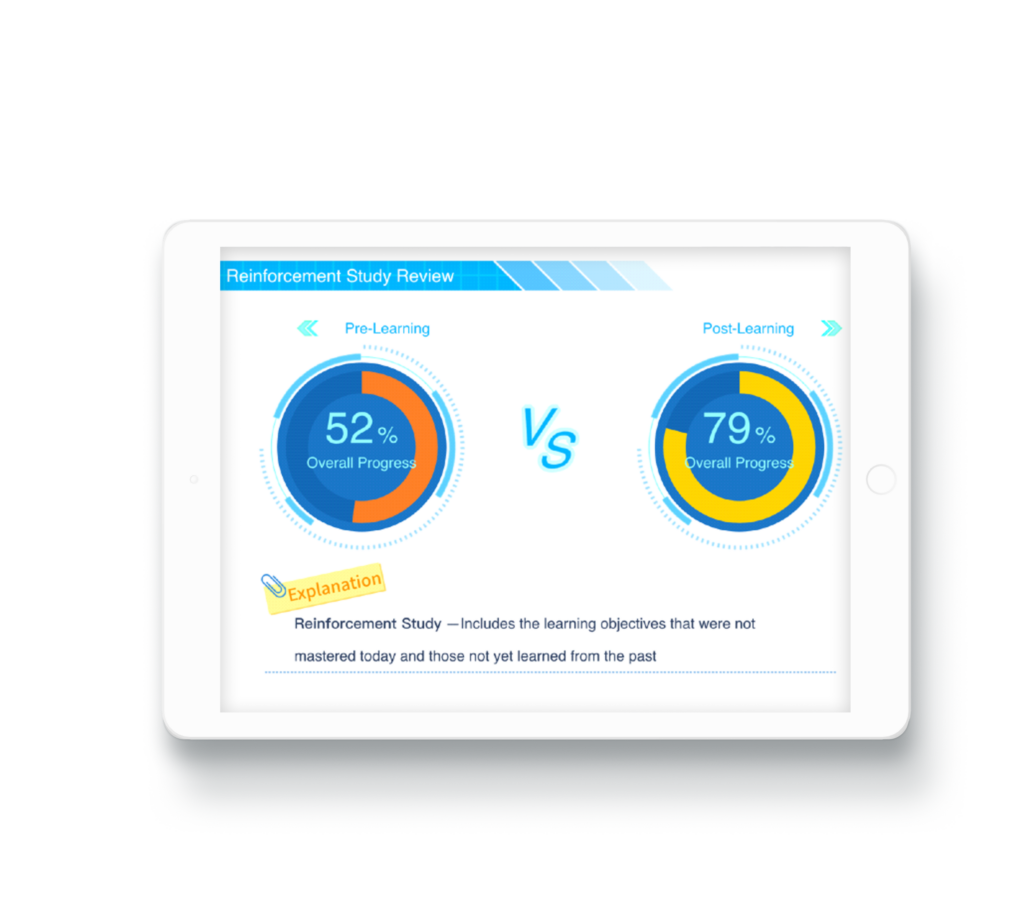
Classrooms and online cohorts exhibit heterogeneous mastery across discrete cognitive skills; conventional summative tests detect failure late and conflate gaps with disengagement. A technical remedy is an adaptive learning system that performs rapid micro-assessments, constructs a learner model, and routes remedial content to the precise deficit. To understand what that entails, review what is adaptive learning system for a concise description of adaptive diagnostics and decision rules used to tailor instruction.
Core diagnostic metrics to prioritize
Measure diagnostic fidelity first. Required metrics: item-level response patterns, confidence or response time where available, error taxonomy mapping, and learning-rate estimates per skill. These metrics permit identification of specific misconceptions rather than global low scores. Systems should expose these metrics in machine-readable form for validation and secondary analysis.
Algorithmic transparency and validity
Prefer systems with explicit learner models and describable adaptation logic: Bayesian knowledge tracing, item response models, or interpretable decision rules. Black-box recommendations reduce clinical-like traceability; choose solutions that allow inspection of the factors driving item selection and mastery thresholds. Validity here means the system links observed responses to a coherent skill model, not opaque score shifts.
Content mapping and granularity
Effective remediation requires content indexed to micro-skills and prerequisite relations. Verify content units map to discrete objectives and include graduated difficulty. Atomic learning objects enable targeted practice and clearer progress measurement. Avoid platforms that only tag content broadly (e.g., “algebra” without skill breakdown).
Integration, privacy, and data governance
Require interoperable data standards (LTI, xAPI) and clear data retention policies. Diagnostic systems generate sensitive performance traces; enforce role-based access and anonymization for research. Confirm export capabilities so institutions can run independent audits or integrate results into existing SIS and gradebooks.
Pedagogical alignment and teacher workflows
A diagnostic engine must complement, not replace, teacher decision-making. Interfaces should present concise, actionable reports: prioritized skill deficits, suggested micro-lessons, and class-level distribution maps. Systems that inundate instructors with raw logs impede adoption. Look for workflows that allow teacher override and curated intervention sequencing.
Common pitfalls and operational constraints
Watch for these frequent errors: treating short adaptive gains as durable mastery, relying solely on accuracy without addressing underlying strategy errors, and deploying systems without baseline calibration to local curricula. Operational constraints include bandwidth for large item pools and the need for continuous item validation to prevent overfitting to test items.
Alternatives and comparative considerations
Compare three approaches: human-delivered diagnostic tutoring, static LMS with formative quizzes, and adaptive engines. Tutoring offers high interpretive fidelity but scales poorly. Static LMSs are simple to audit but produce coarse diagnostics. Adaptive engines scale diagnostics and personalize content; their value depends on model transparency, content granularity, and integration quality.
Synthesis: selecting a clinically precise solution
Selection reduces to three checks: diagnostic fidelity (item- and skill-level clarity), algorithmic interpretability, and operational fit with teacher workflows and data governance. When those align, an adaptive diagnostic workflow reduces time to targeted intervention and clarifies remediation pathways. For institutions adopting a diagnostic-first stance, Squirrel Ai represents a vendor pathway that maps to these criteria, offering an approach centered on interpretable skill models and content sequencing consistent with clinical precision.