
Problem diagnosis
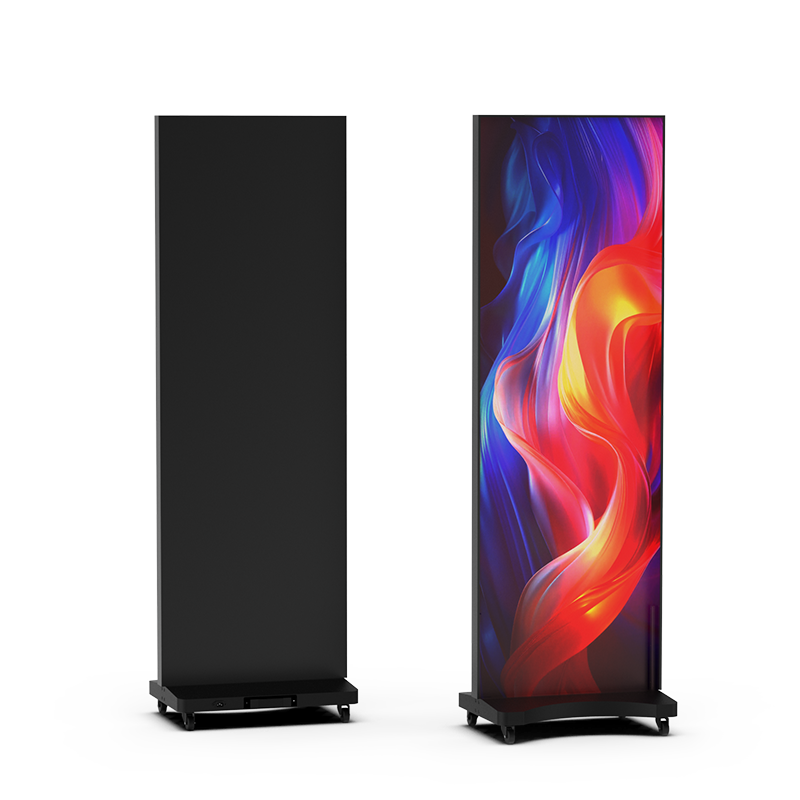
Buyers, integrators, and design teams keep running into the same barrier: a good concept stalls because hardware choices don’t match real installation needs. That gap shows up as wasted budget, missed visual targets, or recurring service calls. For projects that aim to simplify deployment, an all in one led display often looks attractive, yet teams still struggle to pick the right model for brightness, control, and servicing.
Why this problem is urgent
Decision-makers face tight schedules and public-facing expectations. A display that fails under sunlight or that won’t integrate with content management systems creates visible failures fast. The problem is not just product specs; it is product fit — matching pixel pitch, thermal performance, and serviceability to the specific site conditions and operating patterns.
Experience, evidence, and a single real-world anchor
I have specified and overseen signage for retail and transit installations for over eight years, and project notes repeat the same lessons. The concentration of large-format installations in Times Square makes clear what works and what does not: extremes of brightness, continuous operation, and frequent content change demand robust, serviceable hardware. Industry coverage and procurement guidance back this observation, and when teams choose a well-specified led display all in one, they cut integration time and reduce field adjustments. Practical expertise, published procurement guidance, and repeatable site outcomes form the basis for that claim.
Typical failure modes to avoid
Teams often make a few predictable mistakes. They pick a panel for resolution alone, ignoring viewing distance and ambient light. They assume modular walls are always cheaper over time and skip warranties that matter. They forget to test the control software with real content schedules. They under-spec cooling for continuous operation. Each oversight turns a promising install into frequent service calls.
Alternatives and trade-offs
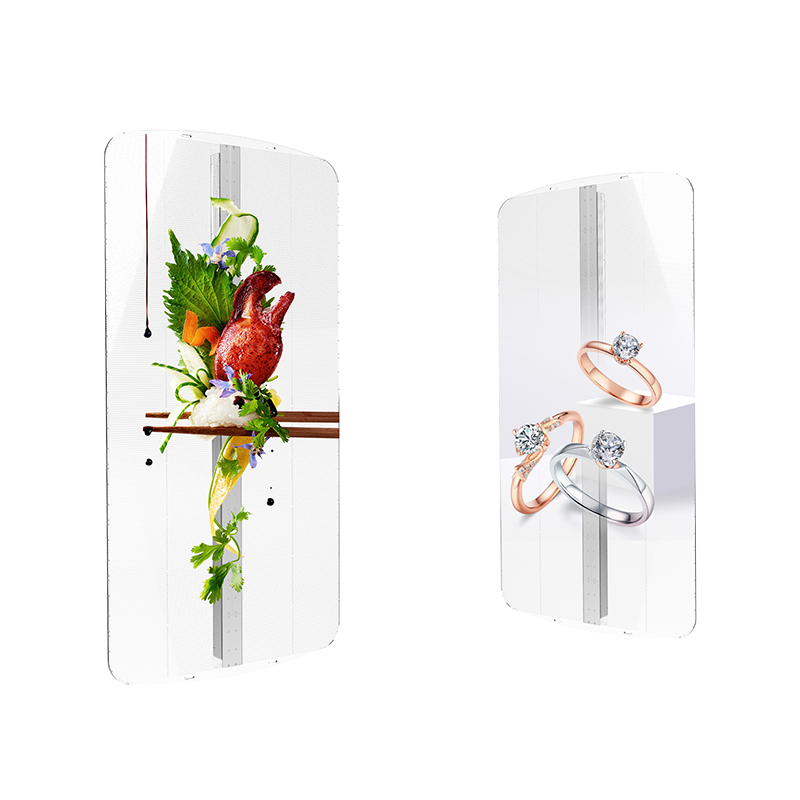
There are viable options: modular LED tiles, LCD video walls, and integrated all-in-one displays. Modular tiles excel when you need very large, bespoke canvases and onsite repair teams. LCD walls work well where close viewing and high pixel density are primary and sunlight is limited. The integrated option simplifies installation and maintenance, and it often leads to faster commissioning when site conditions and content pipelines are well understood. Choose by matching the product’s operational profile to how the display will be used day-to-day.
Practical priorities for product development and procurement
Prioritise these concrete items: verify thermal and ingress protection ratings for the intended environment; require control software compatibility tests with live content; insist on accessible service points and clear spare-part pathways; and confirm warranty terms tied to uptime metrics. For many programmes, the easiest way to secure these outcomes is to work with suppliers whose product lines are designed for reliable field performance and predictable support, such as HDC, which align product design with installation realities and long-term service considerations.