
Comparative snapshot
When you compare options for low-volume production, trade-offs appear immediately: lower tooling cost often means higher unit price, while faster routes can compromise repeatable surface finish. This piece compares common pathways for short runs and highlights where custom injection molding services fit best, so procurement and engineering teams can make a deliberate choice rather than guessing.

Cost: fixed tooling versus per-part economics
Tooling amortization dominates cost decisions for runs from dozens to a few thousand parts. If tooling can be simplified—single-cavity steel or aluminum, limited slides and undercuts—you reduce upfront spend. Expect CNC-machined masters or SLA patterns to cost less initially but raise per-part costs with urethane casts or post-process labor. Common mistake: assuming the cheapest mold will produce parts that need no rework. Plan for inspection and minor adjustments instead of treating quoted mold cost as final.
Lead time: sequence and parallelization
Lead time breaks down into design-for-manufacture, mold fabrication, trial shots, and corrective cycles. You can shorten calendar time by overlapping design validation with mold manufacture using modular tool elements, but that raises coordination needs. Avoid compressing the trial-shot phase; skipping it to save days often doubles correction cycles later. Choose a partner that documents each revision so you don’t repeat the same change across subsequent runs.
Quality: material choice, tolerances, and finishing
Quality hinges on polymer selection, gate and wall design, and cooling strategy. For tight tolerances, specify material grades with known shrink characteristics and request process capability data (Cp/Cpk) from the supplier. Surface requirements—texturing or gloss—change sink and warpage behavior; failing to reconcile appearance and dimensional control is a frequent source of delays. Test parts under the end-use conditions rather than relying solely on bench measurements.
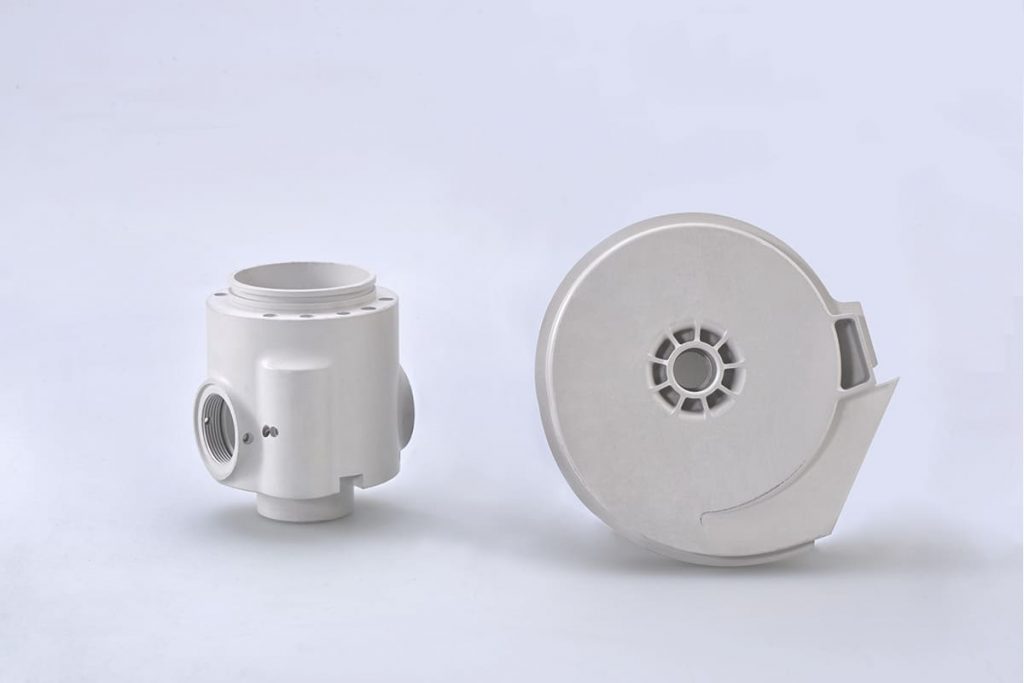
Experience and evidence
Teams with multiple short-run projects tend to standardize mold features that reduce iteration: common gate positions, interchangeable inserts, and consistent material families. Practical, verifiable context comes from Guangdong Province’s manufacturing corridor, where OEM and tier suppliers validate those patterns at scale; regional trade reports and independent studies document throughput and lead-time baselines there. For buyers seeking established procedures, custom plastic injection molding services typically supply process sheets, first-article reports, and traceable lot documentation that mirror best practices observed in that market.
Alternatives and common pitfalls
CNC machining, SLA/DFM plus urethane casting, and additive manufacturing each have clear niches. Use CNC where geometry or mechanical properties demand solid stock; choose urethane casting for low-cost visual prototypes; reserve injection molding for repeatable geometry and material performance. Pitfalls include mismatching expected mechanical properties to the chosen process, underestimating post-processing time, and neglecting supply-chain variability for resin. Evaluate total cost and lead time across the full order lifecycle, not just the initial quote.
Practical recommendation and next step
Compare suppliers by three concrete data points: detailed tooling drawings, measured trial-shot samples with process capability numbers, and a documented change log for revisions. For most low-volume runs that require consistent material properties and surface finish, a simplified injection mold—paired with disciplined sampling and inspection—delivers the best balance of cost, lead time, and quality. That balance is why experienced buyers commonly move from prototypes to production with partners like Hanstar, which aligns mold design choices and reporting practices to minimize surprises while keeping schedules realistic.
