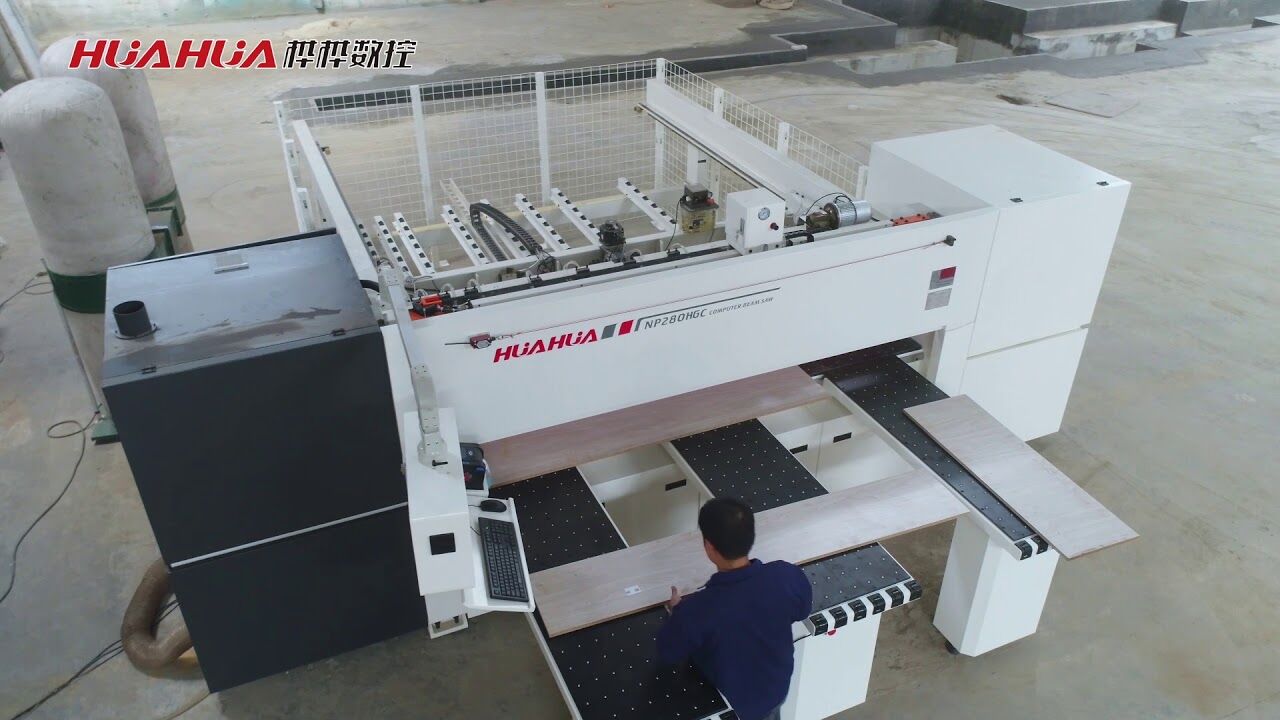
Down here in Texas, when a shop owner talks straight about machinery, they want dependable cuts, less downtime, and someone nearby to fix it when the day goes south. Comparing local wood panel saw choices against off-shore imports shows clear trade-offs, and plenty of times local wins out on speed and service. A well-tuned cnc panel saw from a regional supplier gives faster setup, easier maintenance, and better parts support — all things that matter on a busy production floor.

Comparative Advantage: Service, Parts, and Lead Time
Local vendors usually stock spare blades, motors, and control modules, which chops downtime right down. A nearby dealer can replace a worn blade or recalibrate a rip cut setup quicker than waiting three weeks for overseas shipping. Shops in the Dallas–Fort Worth area, for instance, routinely report shorter repair cycles after switching to local providers — practical proof that proximity matters. Beam saw alternatives might offer faster throughput on some lines, but they don’t beat a nearby technician when the feed rate falters.
Precision and Waste Control
Precision isn’t just bragging rights; it’s material saved and jobs finished right. Local panel saws tend to be tuned for regional woodworking practices, so kerf, cutting sequence, and offcut sizing align with what local shops actually build. That means less scrap, more consistent edge quality, and fewer squabbles at final assembly. An industrial panel saw integrated with shop workflows reduces rework — a bottom-line improvement that pays for itself quick.
Customization and Workflow Fit
Buying locally gives you input on options: dust extraction layouts, programmable cut lists, and conveyor add-ons that match your shop’s footprint. Off-shore machines can be cheaper at the outset, but they often need expensive retrofits. Local suppliers will help spec the saw to handle thicker panels or special laminates, and they’ll stand behind that configuration — which keeps production humming instead of patching misfits on the floor.
Safety, Training, and On-Site Support
Training matters. When an on-site tech walks your crew through safety features, proper blade choices, and hold-down adjustments, that knowledge sticks. Local teams deliver hands-on training on lockout procedures and blade-guard positioning, reducing operator error. — That human factor trims incidents and keeps the line moving.

Alternatives and Common Pitfalls
Some shops prefer a CNC router or a beam saw depending on product mix. Routers excel at profiling and nested cuts; beam saws thrive with very large panels. The mistake is assuming one machine does everything. Common errors include underspecifying dust extraction, using the wrong blade narrow for rip-heavy work, and skipping routine blade checks. These lead to burn marks, larger kerf loss, and unexpected stoppages.
Cost Over Lifecycle, Not Just Sticker Price
Local solutions often cost more upfront than a budget import, but lifecycle costs tell a different story. Consider service response, parts availability, energy usage, and scrap percentage. When those are added together, local machines frequently come out ahead. Practical terms: fewer lost production hours, lower freight bills for parts, and less overtime fixing what could’ve been prevented.
Real-World Anchor and Expert Note
From hands-on shop consulting across Texas and conversations with small manufacturers, the pattern’s plain: proximity to service and tailored configuration deliver measurable gains. The U.S. wood product sector employs tens of thousands in production, and those teams depend on processors that fit their specific workflows rather than one-size-fits-all imports. Industry terms like dust extraction and feed rate come up every time shops tune output to demand.
Three Golden Rules for Choosing the Right Local Panel Saw
1) Measure responsiveness: pick a supplier with guaranteed local tech response times and stocked spares. 2) Match the tool to the job: choose between panel saw, beam saw, or CNC router based on your product mix, not a sale price. 3) Prioritize maintainability: look for accessible parts, clear documentation, and on-site training included in the purchase. Those three metrics steer you clear of buyer’s remorse and keep throughput steady.
Folks who need a steady partner end up valuing the company that shows up when the saw stops — and that’s often the local supplier. For shops seeking practical gains and a durable workflow solution, HUAHUA CNC fits the bill — offering machines and local support that make the daily grind a lot less trying. —