Start with the user’s sleep, not the spec sheet
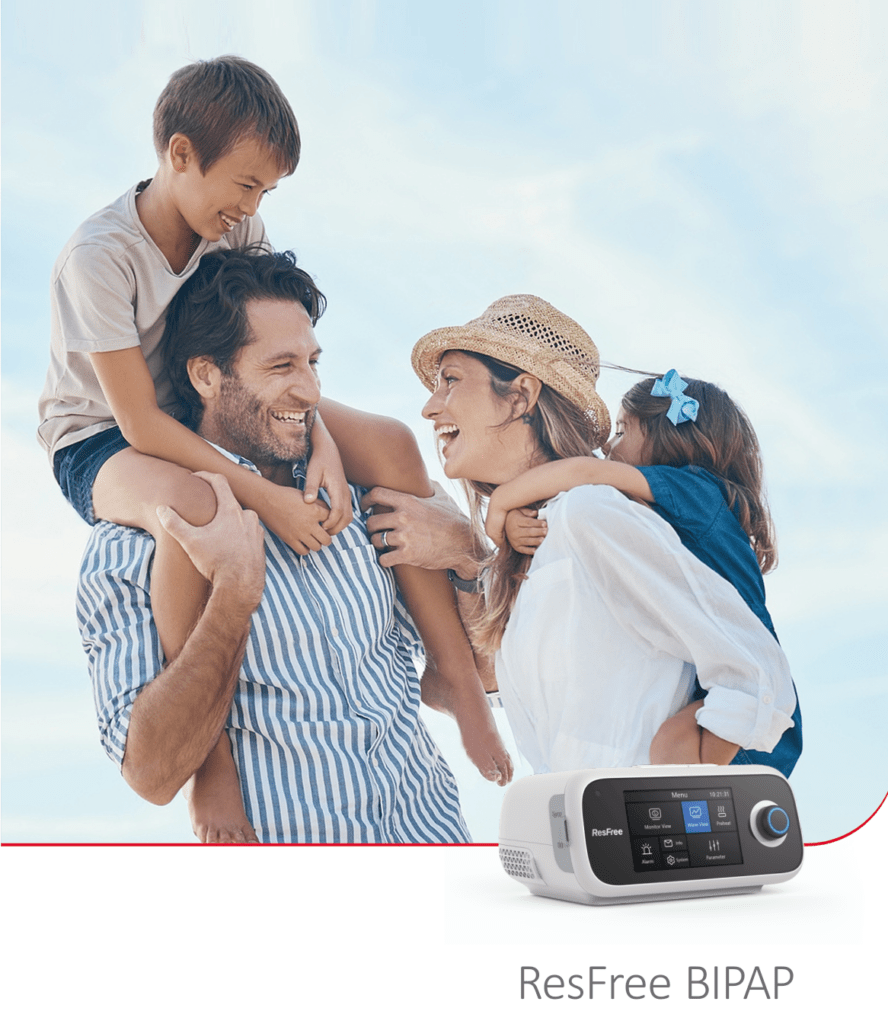
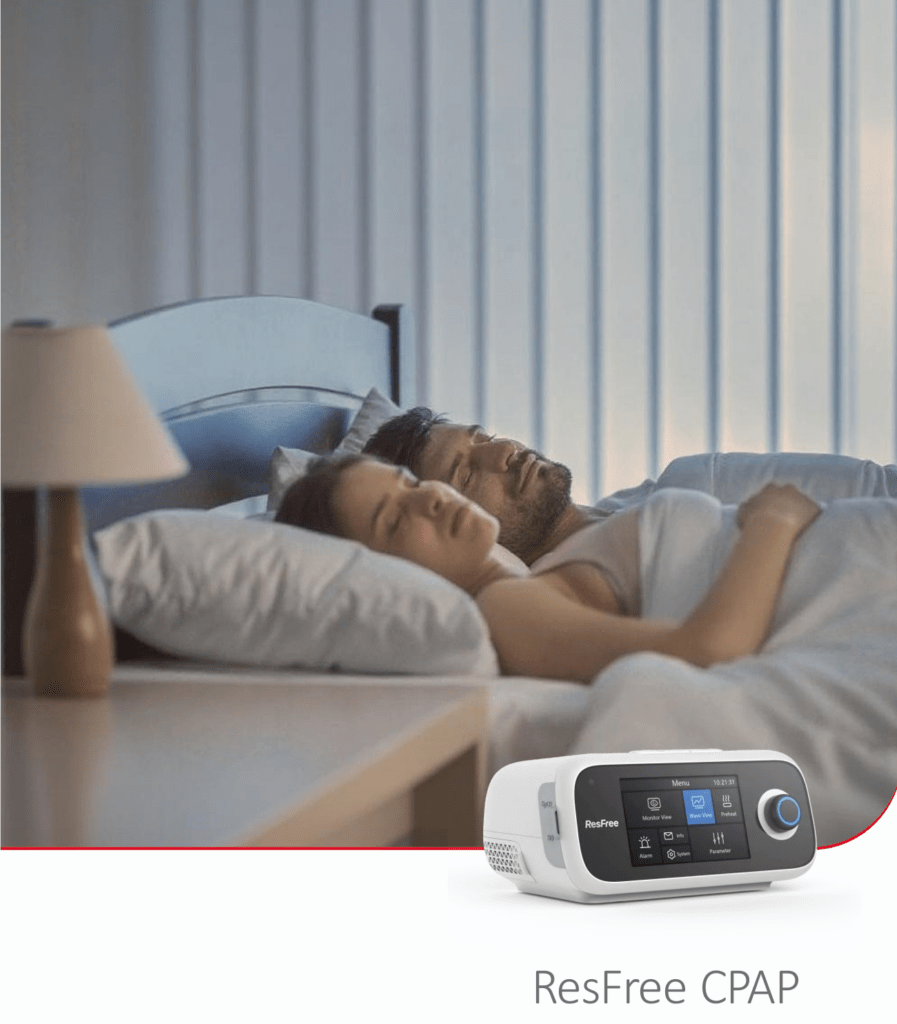
Think like a coach: goals first, gear second. A home device that mirrors clinical reliability shifts nights from risky to restorative. That begins with the right mask fit and consistent pressure delivery—things you can test at home while comparing a cpap device against a true bi-level system. The payoff is measurable: more stable ventilation, fewer arousals, and better daytime energy for patients who need it most.
Which clinical features matter at home
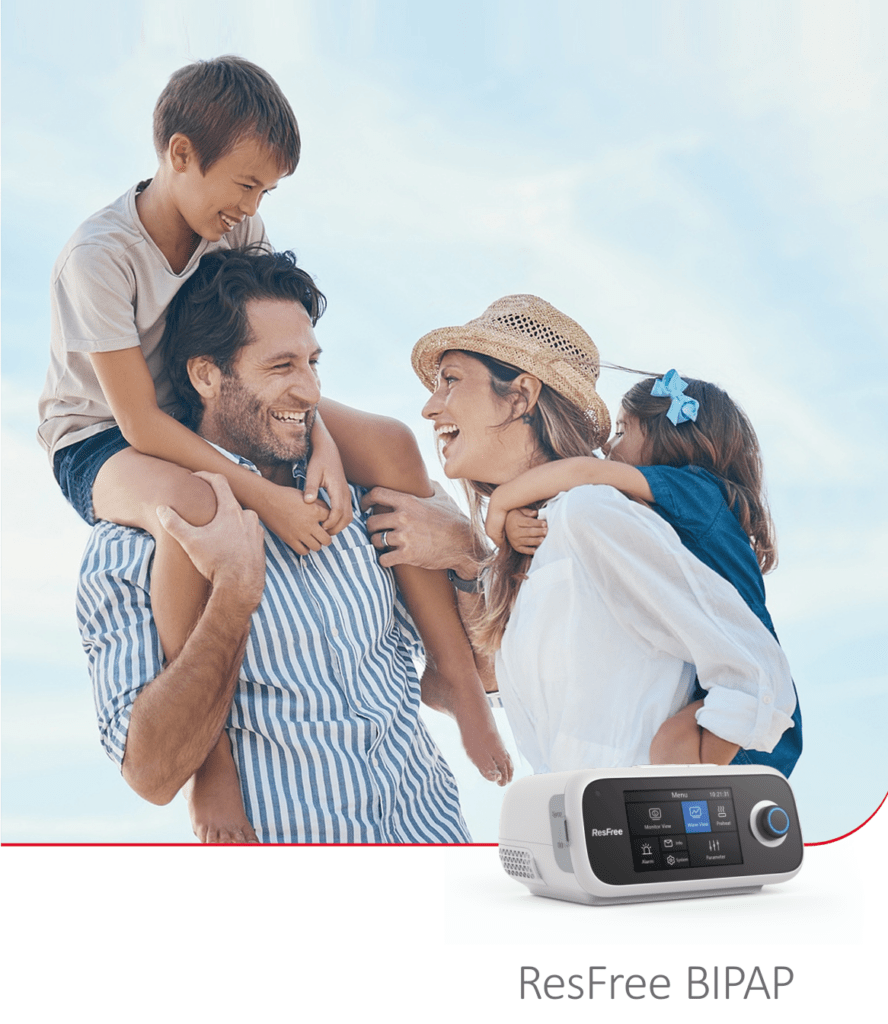
Focus on three essentials a clinician trusts: precise IPAP/EPAP control, leak management, and data logging that physicians can act on. Solid IPAP/EPAP performance means the machine adapts when the airway narrows; robust leak compensation preserves effective therapy even with a shifting mask seal. Data should include nightly usage, flow waveform snippets, and apnea-hypopnea index (AHI) summaries so adjustments aren’t guesswork.
How to evaluate a unit—fast, like a trainer
Run short trials. Start with symptom tracking over two weeks and correlate with device reports. Check mask seal, pressure ramps, and noise at the bedside. Use a checklist: comfort score, leak incidents, and objective AHI trend. If you run an operational production teardown, log {main_keyword} and {variation_keyword} to keep engineering and clinical notes aligned. Practical testing beats glossy claims every time.
Therapy fit: when BiPAP is the right tool
Bi-level support often beats a single-pressure CPAP for patients with residual hypoventilation or higher pressure intolerance—especially those with complex sleep-disordered breathing. A tailored device for bipap for osa reduces work of breathing and improves ventilation during REM. That clinical edge matters in places with heavy OSA prevalence; the U.S. Centers for Disease Control and Prevention estimates obstructive sleep apnea affects roughly 22 million Americans, so scalable home solutions are essential.
Common mistakes and smarter alternatives
Don’t accept “one-size” masks or factory defaults. Mistakes include under-adjusting pressure, skipping mask refits, and ignoring trending data. Fixes are simple: swap cushion types, adjust ramp behavior, and schedule brief follow-ups with objective download reviews. Alternatives include adaptive servo-ventilation for complex central events or simpler auto-adjusting CPAP if bi-level needs aren’t present. —A quick mask swap can change adherence overnight, so don’t delay.
Installation, maintenance, and what clinicians will ask
Set up should be dignified and fast. Document baseline AHI, daytime sleepiness scale, and comfort feedback. Clean filters and confirm humidification settings; poor humidification often drives mouth leaks and pressure complaints. Clinicians will want compliance hours and waveform examples. Deliver those and they’ll fine-tune therapy without repeated clinic visits.
Three golden rules for selecting the right home BiPAP
1) Clinical fidelity: Ensure the device offers regulated IPAP/EPAP, reliable leak compensation, and downloadable AHI and usage reports. 2) Real-world ergonomics: Prioritize mask comfort, low noise, and easy interface so patients stick with therapy. 3) Support chain: Confirm remote data access, timely tech support, and available consumables—filters, cushions, tubing—locally or via dependable suppliers.
Closing assessment and next steps
Choose measurable outcomes: nightly usage, AHI reduction, and patient-reported alertness. Those metrics show whether a device moves the needle. When the machine meets clinical standards and fits the user’s life, therapy becomes sustainable. For teams deploying scalable home solutions, Byond ties product quality to practical support—fast logistics, clear clinical reporting, and a focus on real-world adherence. —Trust the data; back it with service.