Introduction: The Real-World Choice vs. The Brochure Promise
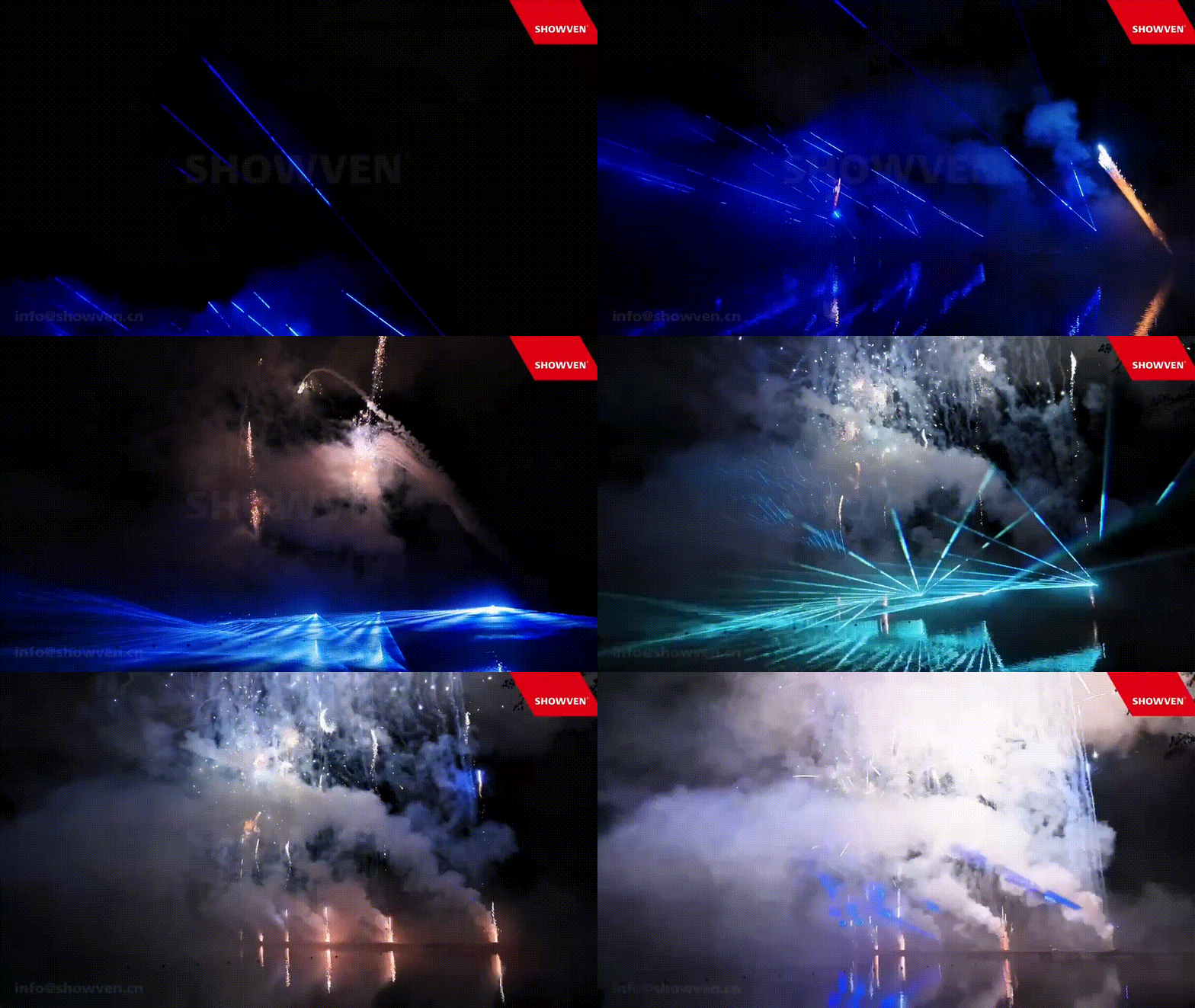
Start with the system, not the sticker. A show rig is a chain of power, control, optics, and heat. The second link you check should be the laser light manufacturer, because one weak link—control lag, poor cooling, or loose safety—breaks the whole chain under show pressure. Picture this: a stadium opener with fog rolling in, sync cues stacked tight, and a short setup window; the lasers have to fire clean, every time. Field audits often show 25–35% of delays come from small mismatches, like DMX cabling choices, thermal throttling, or power budgeting misses. That’s not a spec issue alone; it’s an integration issue hiding behind nice numbers (and nice photos). So the teaching question is simple: how do you compare vendors in a way that predicts behavior on show day, not just in the lab? Let’s set up a side-by-side view—features vs. outcomes—and move step by step to what really matters next.
Comparing What You Expect vs. What You Get: Hidden Gaps in Suppliers
Where do legacy checklists fall short?
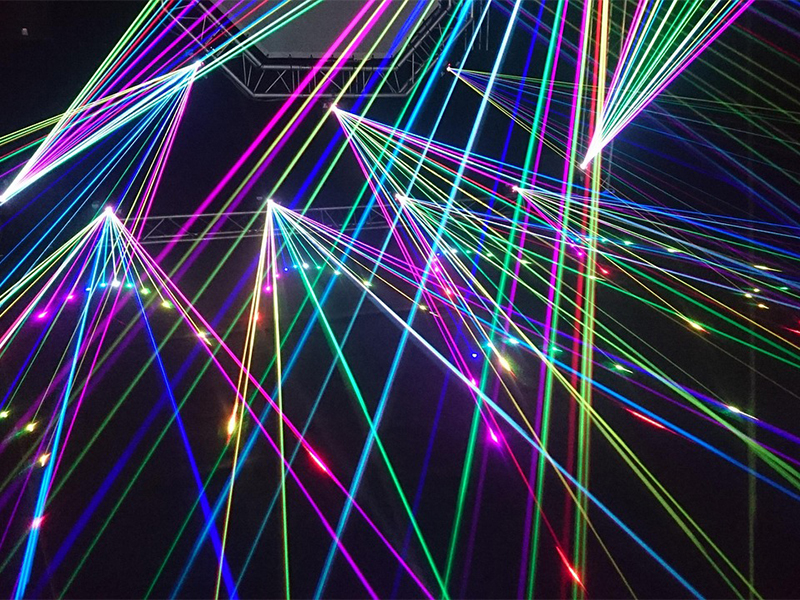
Most buyers start with a familiar list: power, color, and price. A better starting line is the operational map of your venue and crew. A laser light machine supplier should explain how galvo scanners behave at your beam angles, how beam divergence shifts in haze, and how their thermal management holds steady across long sets. Legacy checklists skip these stress points. They rarely cover real DMX universe planning, safety interlock behavior after brownouts, or how power converters respond to dirty mains. Look, it’s simpler than you think: measure how the device behaves in your environment, not in theirs—funny how that works, right?
Hidden pain points show up in the margins. The spec says “IP65,” but the enclosure drains poorly when truss tilt changes. The output looks sharp, but the control path adds tiny frame delays that stack across multiple heads. Your crew swaps cables, then loses an hour. Traditional solutions assume “ideal load” and “ideal cooling.” Outdoor rigs, winter nights, or hot roofs aren’t ideal. Ask the supplier to simulate your show scene, not a demo scene. And push for proof: long-run logs, fault codes after rapid power cycles, and recovery behavior when a DMX line drops mid cue. Those are the tells that separate a checklist from a show-ready plan.
Forward Look: New Control Principles and Smarter Vendor Choices
What’s Next
Here’s the shift: instead of buying for maximum watts, buy for predictable control and recoverability. New systems tie fixture brains to small edge computing nodes, so timing and safety rules run close to the beam head—less jitter, faster failsafe. A capable laser light manufacturer should explain their control loop clearly: sensor sampling rates, thermal thresholds, and how fault states degrade output without killing the show. Think in principles: closed-loop cooling that adjusts fan curves; adaptive frame rates that keep shapes clean under load; and protocol bridges that keep DMX, Art-Net, or timecode aligned. The point is not more features. It’s fewer unknowns. And yes, test it in wind, fog, and dirty power—because that’s where your show actually lives.
Practical wrap-up, with metrics you can use tomorrow. Advisory finish: 3 checks that forecast real results. 1) Control integrity under stress: measure frame stability and cue latency with mixed loads over 30 minutes. 2) Heat discipline: log internal temps and laser head output across a full set; look for flat response, not spikes. 3) Power behavior: verify start/stop states and safety interlock recovery after rapid cycles and low-voltage dips—this is where good systems shine (and bad ones stall). Apply these, and you’ll notice the sales charts matter less than your test charts—because performance you can repeat is performance you can book. For a deeper technical benchmark and a sense of how vendors document these behaviors, see Showven Laser.