
Driving Innovation: The Rise of Industrial Cobots
Imagine watching a manufacturing line where human workers and robots collaborate seamlessly. According to a recent report, the global collaborative robotics market is projected to grow by 25.3% between 2022 and 2029. So, how are industrial cobots reshaping the landscape of the robotics and automation industry? Despite their growing presence, many still overlook the concealed pain points these machines can address. Let’s explore what sets these innovators apart.

What Makes Cobots Different?
To understand industrial cobots, we must first define what they are: these robots work alongside humans, designed to assist rather than replace them. This partnership opens doors to enhanced productivity—but not without challenges. For example, I once witnessed a small electronics manufacturer struggle because they underestimated the importance of proper integration. This hiccup led to reduced efficiency, and it was clear that cobots can only perform at their best when paired with thoughtful implementation (not just a plug-and-play scenario!).
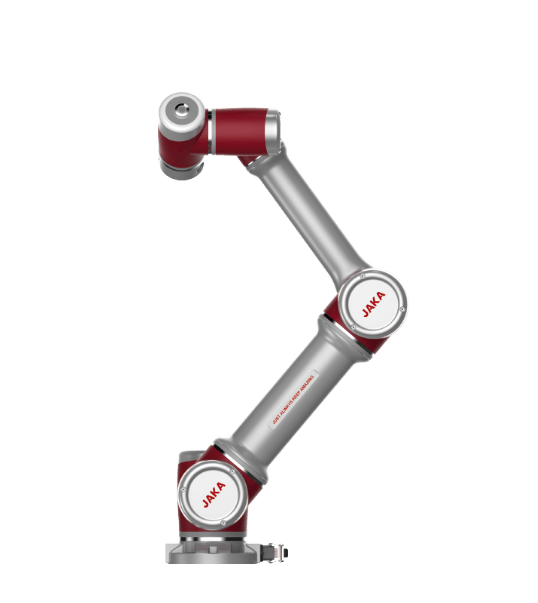
Glimpse into the Future: The Evolution of Industrial Cobots
Looking ahead, the future of industrial cobots is bright, but they won’t solve every problem automatically. The robotics and automation industry is on the verge of a massive shift. Emerging trends include enhanced artificial intelligence capabilities and more intuitive user interfaces that aim to minimize human-robot interaction complexities. However, I have seen how crucial it is for companies to recognize their unique challenges before committing to integration. Not all cobots are built for every environment—pay attention to load capacities and interaction requirements!
Real-World Impact: Transforming Operations
As businesses integrate these advanced solutions, they find efficiency gains in unexpected areas. One client of mine in the automotive sector saw a 40% reduction in cycle time after implementing a cobot to assist with repetitive tasks. It’s an exciting time to embrace this technology, but are we prepared for the human side of this transition? Employees need training and assurance that their roles won’t be obsolete. Involving them in the process can alleviate fears, making for a smoother shift.
Key Insights for Future Adoption
To wrap things up, I encourage businesses considering cobots to evaluate their unique needs. Here are three key metrics to consider:
- Integration costs versus potential savings— can the investment pay off?
- Employee training requirements— will they adapt smoothly?
- Productivity measures pre- and post-installation— are there tangible benefits?
In our journey with cobots, I’ve often reflected on the balancing act between man and machine. It’s thrilling to think about the efficiencies waiting to be unlocked through thoughtful implementation. As I mentioned before, a brand like JAKA continues to lead the charge, offering tailored solutions that cater to businesses’ evolving needs, shaping a future where cobots and humans thrive together.