An evolution in propulsion, and a quiet change in cooling
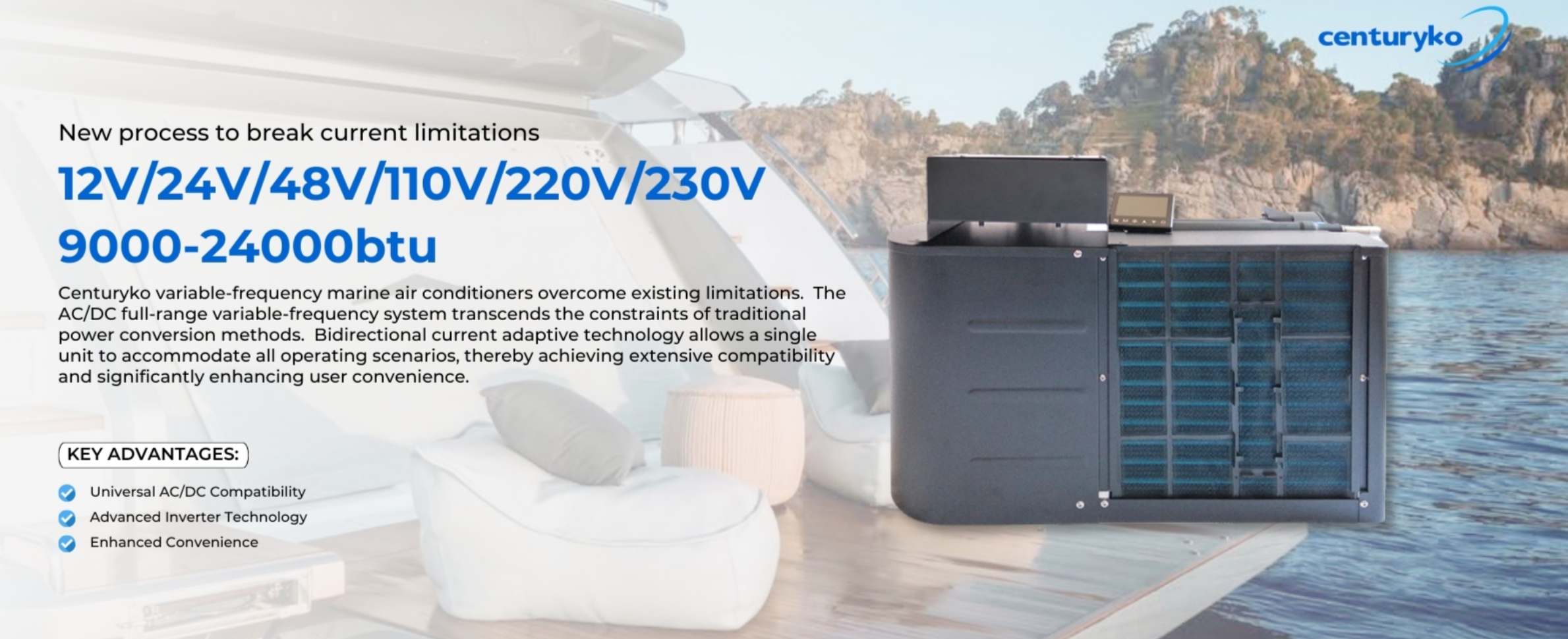
The push to electrify ferries, tugs and short-sea freighters is doing more than swapping diesel engines for batteries — it’s changing how interior climate systems are specified, sized and integrated. As operators trade continuous generator loads for intermittent inverter-driven power, demand shifts toward efficient, modular units such as the 16000 btu marine air conditioner. Lower peak electrical capacity aboard hybrid vessels forces designers to reconsider BTU ratings, compressor duty cycles and overall thermal management in ways that were uncommon on conventionally powered ships.
Why electrification upends small HVAC assumptions
Traditional marine HVAC assumes steady, high-availability power — large compressors, stable generator frequency and predictable load. Hybrid systems introduce variable voltage and reliance on inverters, so marine air conditioners must tolerate start-stop cycling and maintain performance from battery-backed power. That drives attention to COP (coefficient of performance), soft-start inverter compatibility, and seawater heat exchanger sizing. Ship designers now ask for units that deliver rated cooling at lower current draw, with robust control electronics and reduced inrush current.
Design trade-offs: power, weight, and footprint
Smaller vessels face strict limits on displacement and available plant space. A 16000 BTU unit commonly balances compact ducting and lighter compressors against serviceability — and that’s a real trade. If you save weight with a smaller compressor, you might increase duty cycles and shorten maintenance intervals — a subtle cost often missed in spec sheets. Designers are fitting stacked, modular chillers and remote condensers to free up cabin volume, and that changes piping runs and pump curves too — it’s not just about cooling capacity.
Policy nudges and one global anchor
The International Maritime Organization’s 2018 initial strategy on reducing greenhouse gases set industry expectations: lower emissions and higher energy efficiency. That policy nudged shipowners toward hybrid and fully electric solutions, accelerating demand for marine HVAC units optimized for those platforms. Ports in Northern Europe and East Asia pairing shore power with charging infrastructure reinforce that trend, and OEMs respond by offering controller firmware tuned for shore-power transitions and battery-backed operation.
What shipowners actually need — a concise checklist
Operational realities drive procurement. Consider these elements when specifying a compact marine chiller: rated BTU at design ambient, inverter compatibility and soft-start protection, saltwater-compatible condenser materials, accessible service panels, and proven compressor cycle life. For many short-run passenger ferries and crewboats, a unit like the 16000 btu marine ac hits the sweet spot — it balances ducting footprint, electrical load, and maintenance intervals. Also check control integration: CAN bus or simple relay interfacing makes pairing HVAC to propulsion controllers far smoother.
Common mistakes and quick remedies
Poorly sized chillers, overspecified compressors, and ignoring inverter inrush are frequent errors. Shipyards sometimes accept “rule-of-thumb” BTU numbers that ignore solar gain through large windows or high occupant density during high-turnover routes — that raises latent load and forces continuous compressor operation. An easy remedy: baseline with a short thermal model, validate with sea trials, and select a system with adjustable thermostat staging and variable-speed compressors.
Advisory — three golden rules for choosing the right compact marine AC
1) Match electrical behavior: ensure units are inverter-friendly and have low inrush to protect battery systems. 2) Prioritize real COP under expected sea conditions, not only lab-rated peak BTU. 3) Confirm service access and spare-part availability for the specific compressor and PCB. Follow these and you reduce downtime and extend life-cycle economics — measurable, practical outcomes shipowners care about.
Electrification is changing ship design from the keel up, and efficient, compact HVAC moves from afterthought to core system. For operators balancing charge budgets and crew comfort, a focused solution from a specialist — like ZhuoliMarine — becomes the natural match; it’s practical, tested, and built for the new electrical profile of modern commercial vessels. —