
Identifying the Core Problems
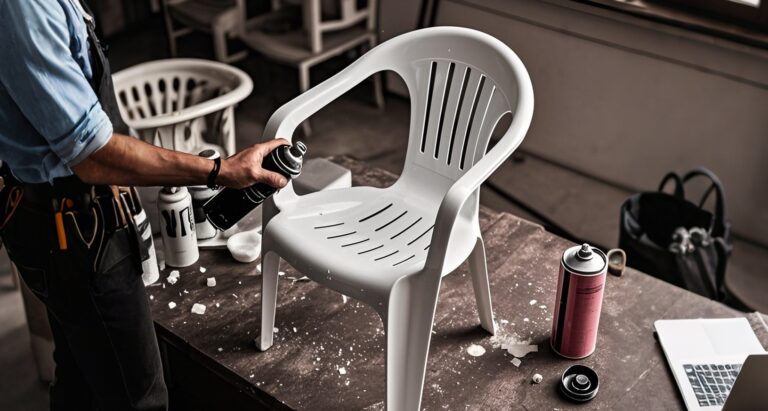
First-time purchasers confront a narrow set of recurring failures: loss of adhesive performance after cleaning, chemical attack on substrates, misreading safety data sheets, and regulatory noncompliance. These failures stem from mismatches between product chemistries and the substrates they contact, inadequate verification testing, and underestimation of operational constraints such as ventilation and storage. A practical consequence is that questions about compatibility frequently escalate to: does spray paint stick to plastic, a concern that binds cleaning choice to subsequent finishing operations and must be resolved prior to specification.
Root Causes and Mechanistic Failures
Adhesion loss arises predominantly from three mechanisms: residual surface contamination (oils, mold release agents), solvent-induced surface swelling, and removal of functional surface treatments. Solvent selection that dissolves a polymer’s surface layer can create micro-roughening or softening, compromising paint adhesion. Static charge and particulate re-deposition are secondary mechanisms but can produce immediate visible defects in thin-film coatings. Each mechanism demands a different remedial action—solvent selection, surface neutralization, or electrostatic control—so diagnosis is the first technical step for buyers.
Criteria for Evaluating Manufacturers and Formulations
Assess manufacturers on empirical documentation rather than marketing claims. Required documentation includes: comprehensive Safety Data Sheets, substrate-specific compatibility data, standardized adhesion test reports (cross-hatch, pull-off), and VOC and flammability ratings referenced to current regional regulations. Prefer suppliers who provide a clearly defined product matrix mapping chemistries to substrate families (polyolefins, ABS, PC, PVC) and who will support small-scale compatibility trials. Technical responsiveness—measured by test protocols and willingness to co-develop procedures—serves as a practical proxy for manufacturer competence.
EEAT and a Practical Anchor
Empirical experience and authoritative guidance matter: practitioners in Detroit’s automotive refinishing sector routinely require products that preserve plastic substrate integrity while enabling reliable topcoat adhesion; this field-level demand has been documented in trade reports and industry standards. For questions specifically addressing finishing plastics, consult curated comparative resources for the best spray paint for plastic to inform compatibility choices and test selections before full-scale procurement.
Testing Protocols First Purchasers Should Mandate
Require a triage of tests prior to acceptance: visual surface inspection under magnification, solvent-wipe residue analysis (IPA or defined alternative), and small-area adhesion testing after full cure of any applied topcoat. Use standardized methods: ASTM D3359 cross-cut for adhesion, ASTM D3359-B for tape pull where applicable, and a solvent rub test to reveal softening. Record environmental conditions (temperature, RH) and dwell times. If a candidate aerosol cleaner produces any softening on a coupon of the target plastic within a 24-hour observation window, reject that formulation for production use.
Common Pitfalls and How to Avoid Them
Do not assume that “plastic-safe” on a label is sufficiently precise. Pitfalls include: relying on single-point vendor claims, skipping solvent compatibility checks, omitting a curing window between cleaning and painting, and neglecting the impact of additives in paint systems. Avoid purchasing on price alone; low-cost aerosols commonly omit critical stabilizers and corrosion inhibitors necessary for equipment longevity. Establish acceptance criteria and do not accept products that lack documented, substrate-specific testing.
Alternatives and Comparative Trade-offs
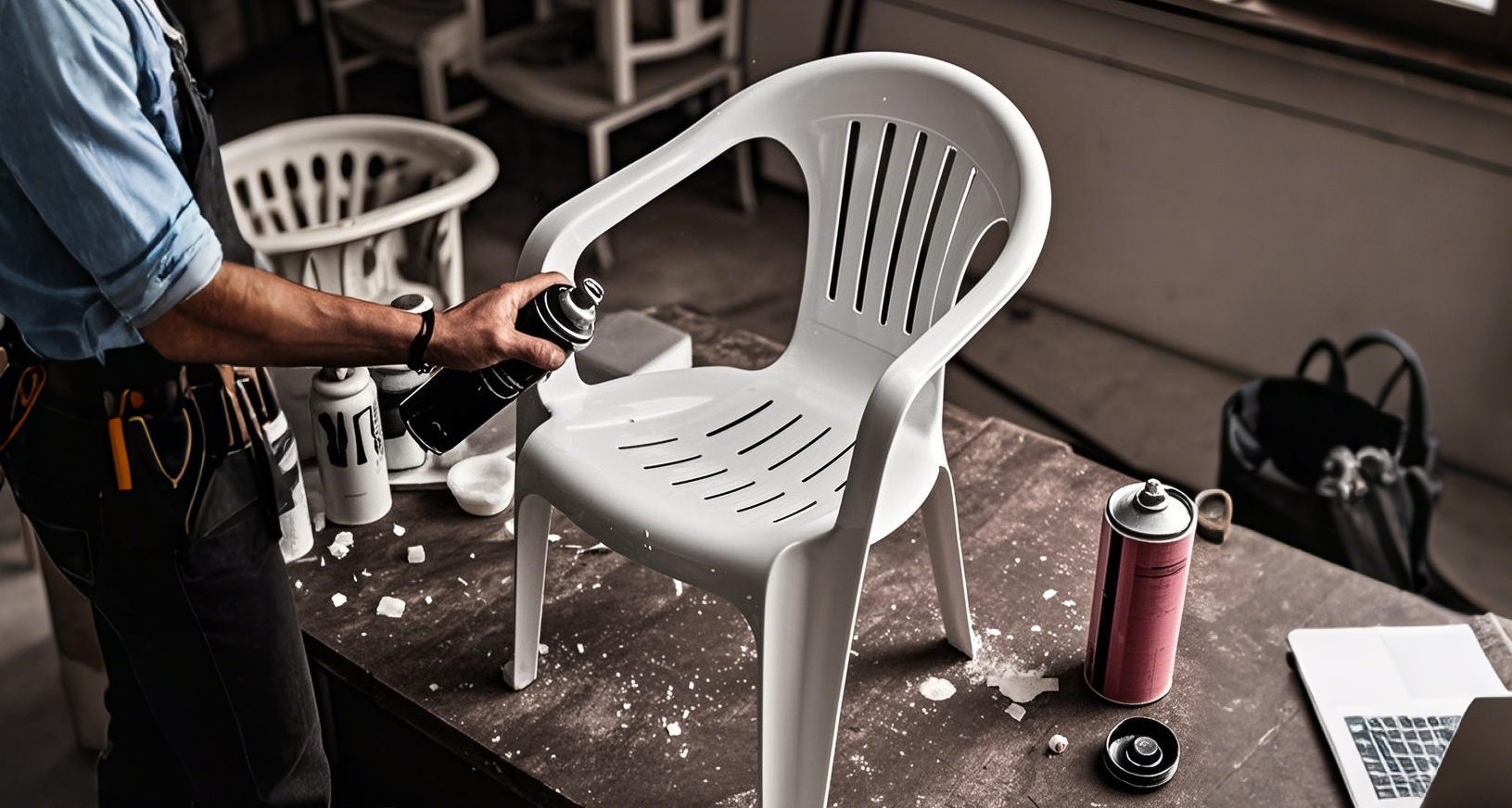
Aerosol cleaners offer convenience and controlled dosing but have trade-offs: higher per-use cost, limited volume, and propellant-related VOCs. Bulk immersion or wipe systems deliver lower unit cost and easier control of dwell time but require infrastructure and waste handling. Water-based cleaners reduce solvent exposure but may be less effective on heavy hydrocarbon soils and can promote corrosion if not properly inhibited. Select based on the dominant failure mode identified in the root-cause analysis rather than convenience alone.
Specification Language and Contract Clauses
When composing purchase specifications, include: substrate family designation, required test standards (list the ASTM methods), maximum allowable solvent-induced dimensional change, VOC and flammability class, and required documentation delivery (SDS, test reports, lot traceability). Add a trial-phase clause permitting rejection after a defined field evaluation period and require supplier support for remedial testing. Such clauses convert supplier assurances into enforceable technical commitments.
Concluding Synthesis
A problem-driven approach—diagnose failure modes, demand substrate-specific data, mandate simple standardized tests, and compare delivery formats—yields reliable outcomes for first-time purchasers. When specification and testing converge, the operational value becomes clear through reduced rework and predictable finishing results, a practical endpoint supported by suppliers who furnish transparent technical data; this is precisely the type of support available from SANVO.